The World's Largest Congregation of Faith.
A Journey to the Origins of the Universe.
The Kumbh Mela is not merely a festival; it is a celestial event rooted in the dawn of creation. It is the celebration of the Samudra Manthan (Churning of the Ocean), where Gods and Demons fought for the Nectar of Immortality. Prayagraj, the site of the Triveni Sangam, is the holiest of the four sacred places where drops of this nectar fell, sanctifying the waters forever.
Understanding the cosmic events that birth the Kumbh.
The saga began when the volatile Sage Durvasa presented a garland of celestial flowers to Indra, the King of Gods. In a moment of arrogance, Indra placed it on his elephant, Airavata, who trampled it. Insulted, Durvasa cursed the Gods to lose their strength, luster, and immortality, leaving them vulnerable to the Asuras (Demons).
With the universe in chaos and the Asuras seizing control, the weakened Gods approached Lord Vishnu for salvation. Vishnu advised a diplomatic truce: ally with the Asuras to churn the Ksheera Sagara (Ocean of Milk) to extract Amrit, the Nectar of Immortality, which would restore their power.
The Great Churning began. Mount Mandara served as the churning rod, and Vasuki, the King of Serpents, became the rope. The Gods held the tail, and the Demons held the head. The ocean yielded many treasures, including the deadly poison Halahala (consumed by Shiva) and finally, the divine physician Dhanvantari.
The Royal Baths are the heart of the Kumbh. These are the specific astronomical windows when the water transforms into Amrit.
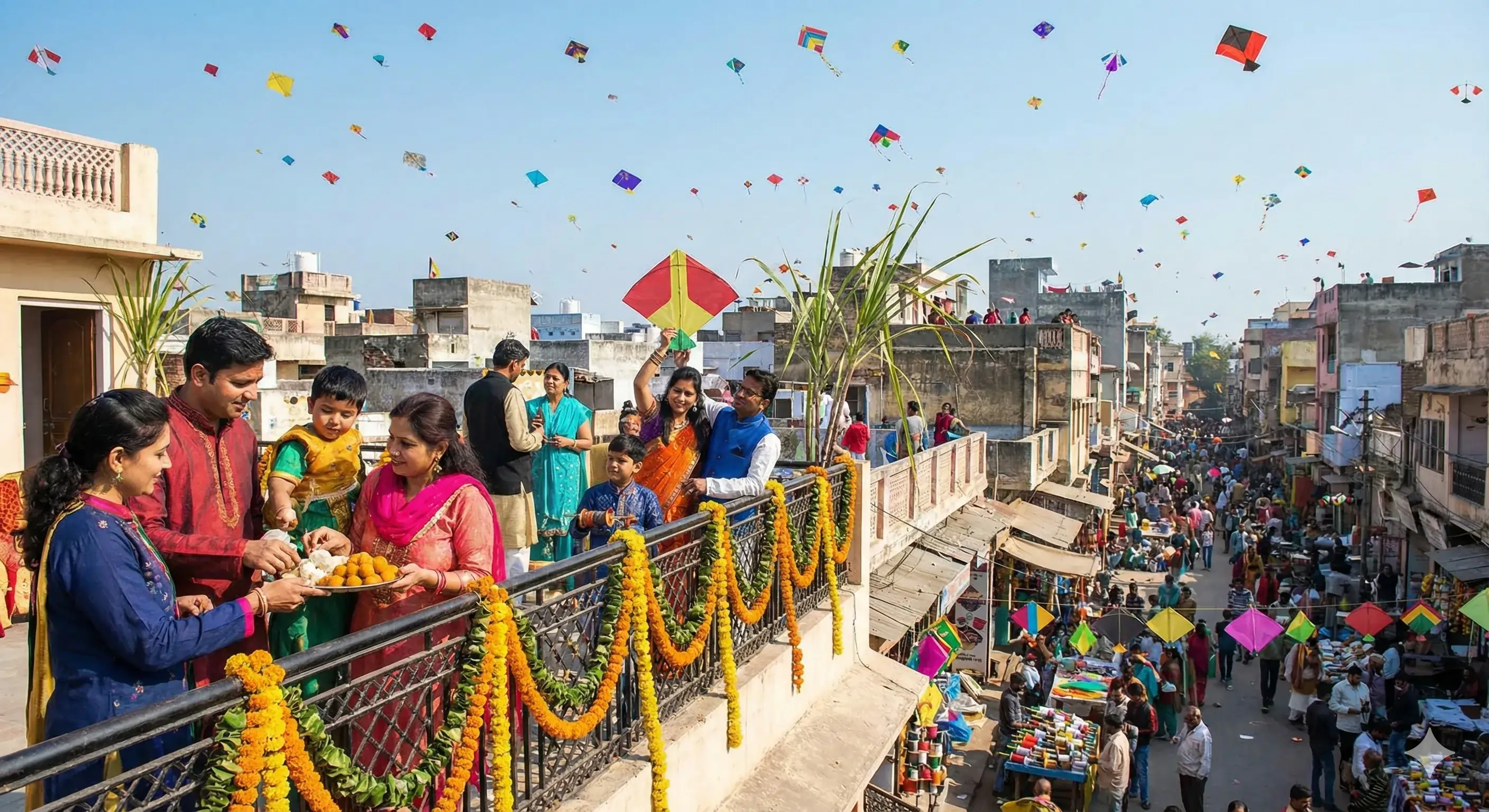
The festival begins when the Sun enters Capricorn (Makar Rashi). This astronomical event signals the end of the winter solstice and the start of longer days. It is the first major Royal Bath where the Akharas arrive in grand processions.
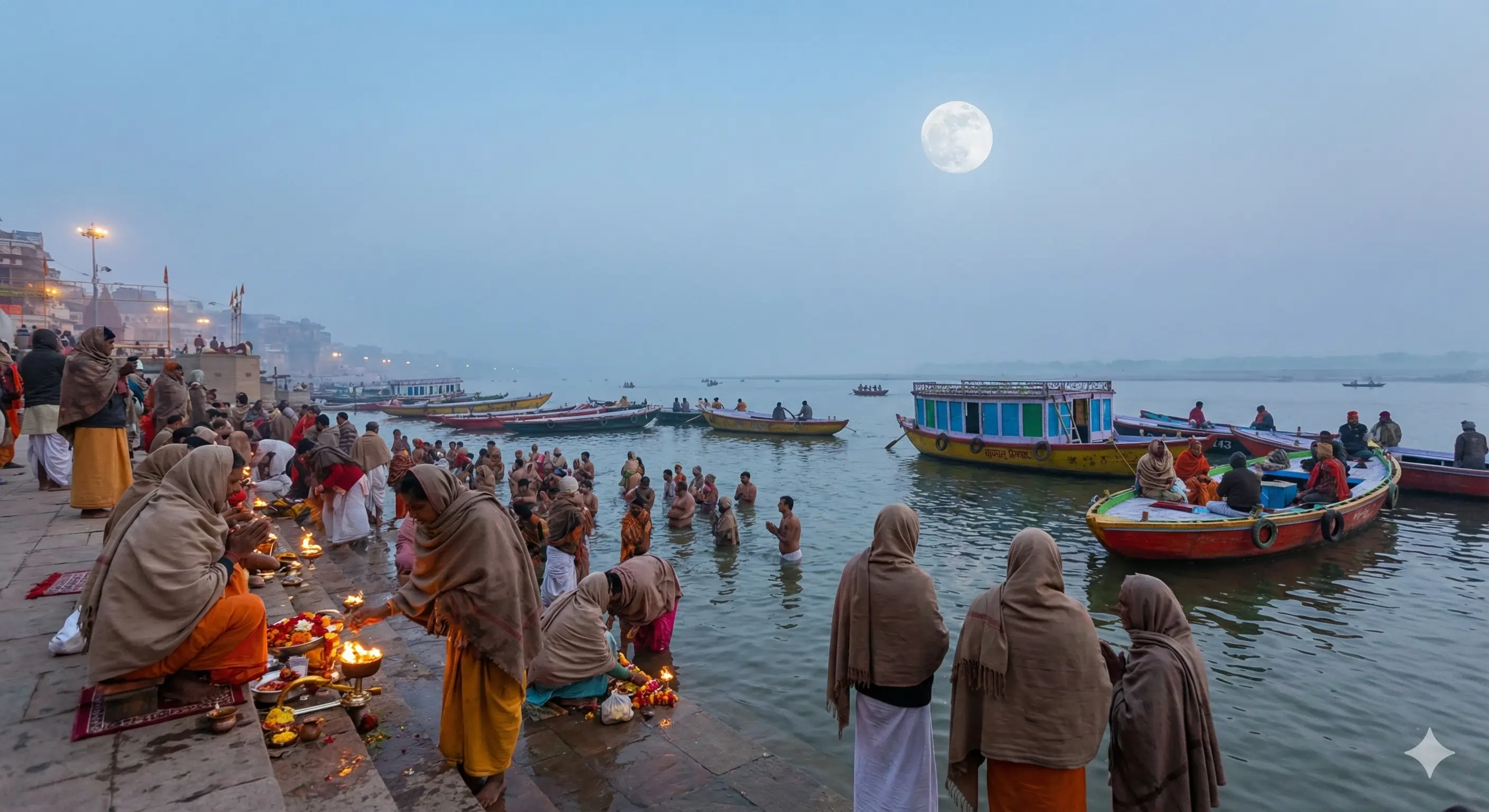
On the full moon of the Paush month, lakhs of devotees begin their month-long austerities known as 'Kalpvas'. They live in tents, eat one meal a day, and dedicate themselves entirely to spiritual practices and Satsang.
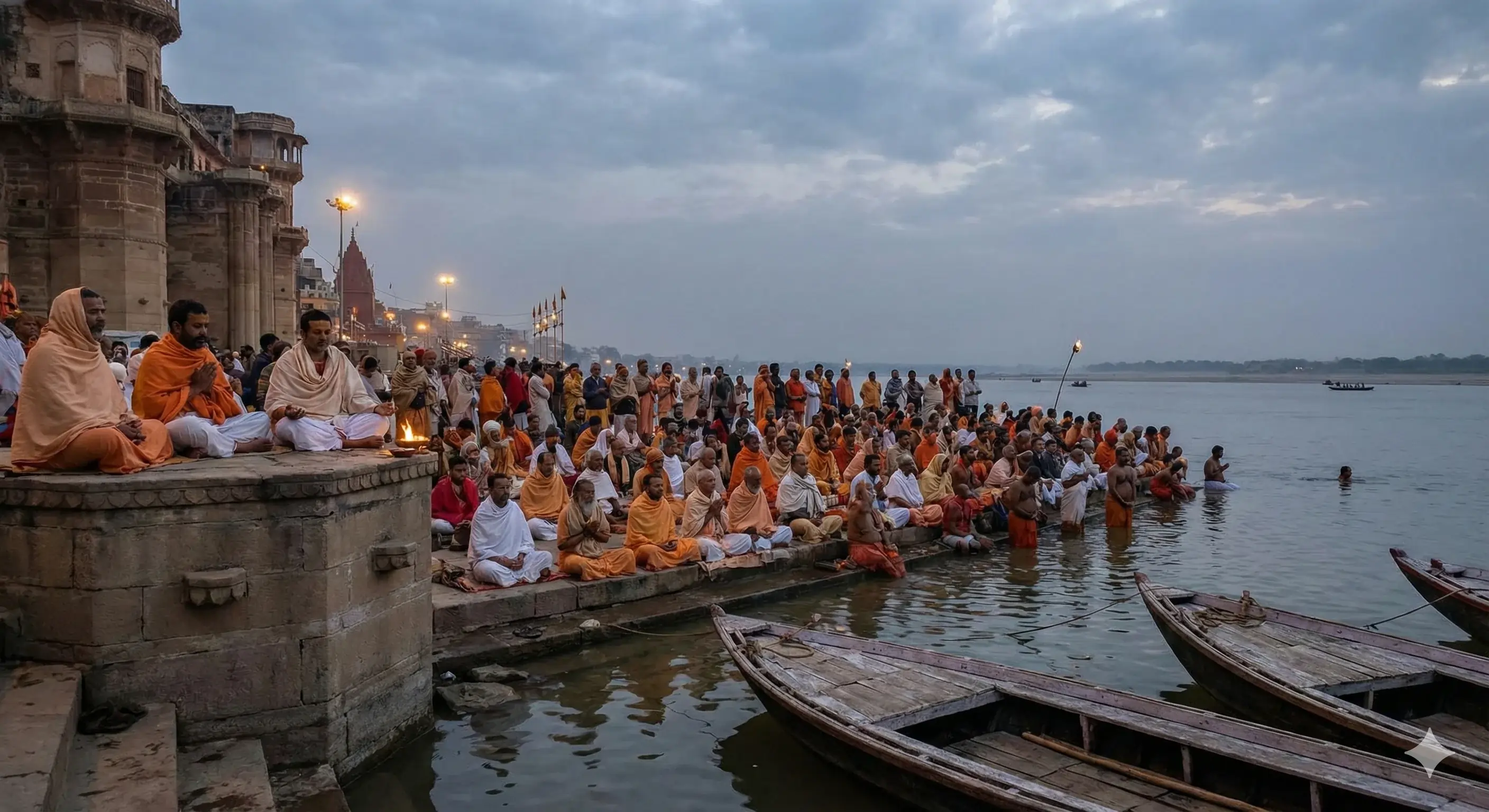
The darkest night of the Magh month, yet the most illuminating for the soul. It marks the second and most significant Shahi Snan. On this day, the planetary alignment creates a unique cosmic impact on the waters of the Sangam. Millions observe silence (Maun).
The ancient monastic orders of warrior-ascetics. Their grand procession (Peshwai) to the Sangam is the visual highlight of the Kumbh.
The largest and most prominent order of Naga Sadhus. Known for their ash-smeared bodies, matted hair, and fierce martial traditions. They lead the Royal Procession with immense grandeur.
Famous for being the most educated and administrative Akhara. They manage several major temples across India, including Mansa Devi in Haridwar. Their procession is disciplined and regal.
One of the oldest Akharas, guardians of the Mahakaleshwar Temple in Ujjain. They are revered for their ancient lineage and strict adherence to the rituals of the Dashanami Sampradaya.
Beyond the Mela, explore the eternal landmarks of the Tirtharaj.
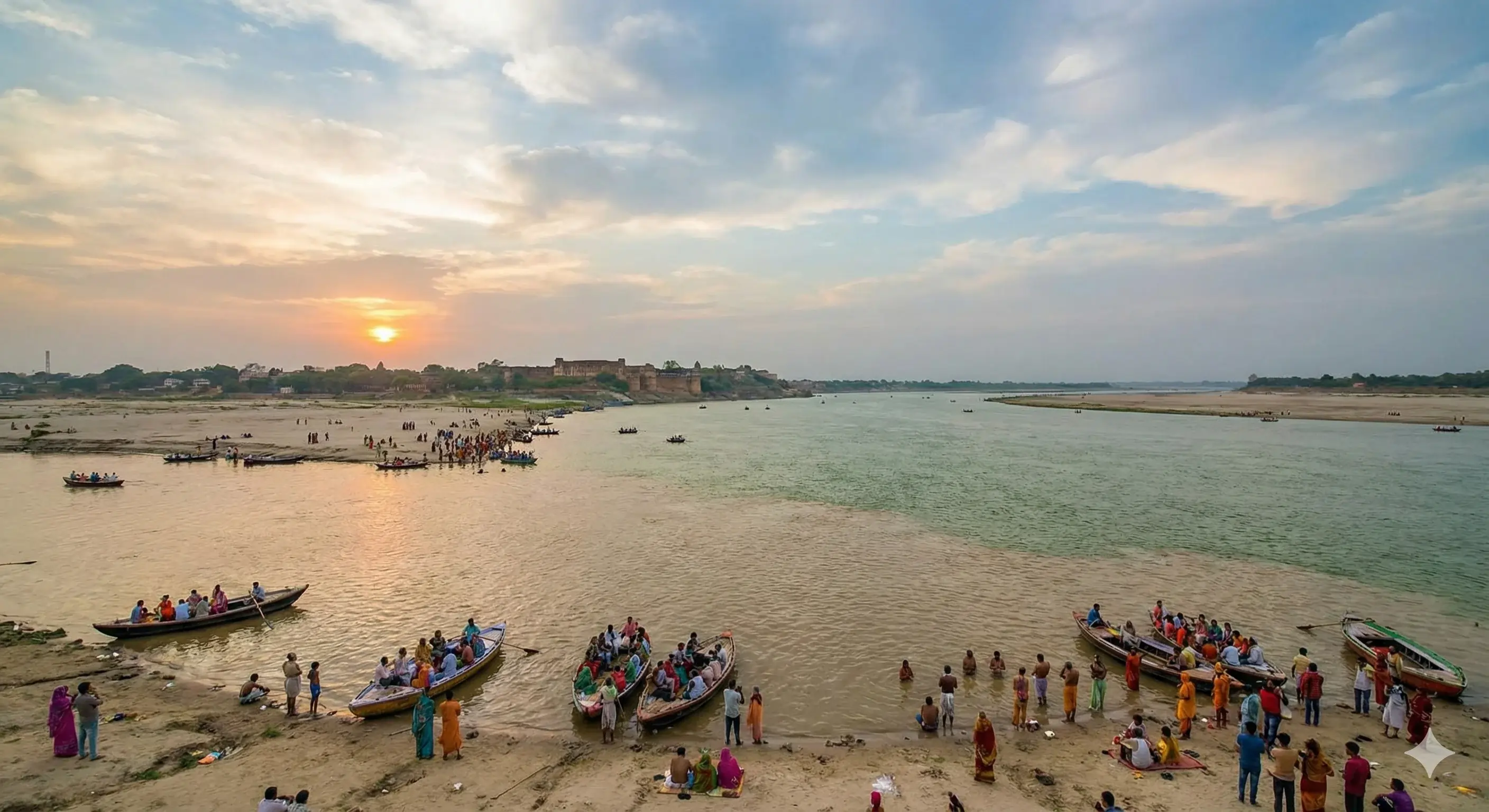
The holy confluence of three rivers: Ganga, Yamuna, and the invisible Saraswati. The water here is distinct—the muddy pale yellow of the Ganga merges with the blue-green of the Yamuna. A boat ride to the center for a dip is the ultimate pilgrim experience.
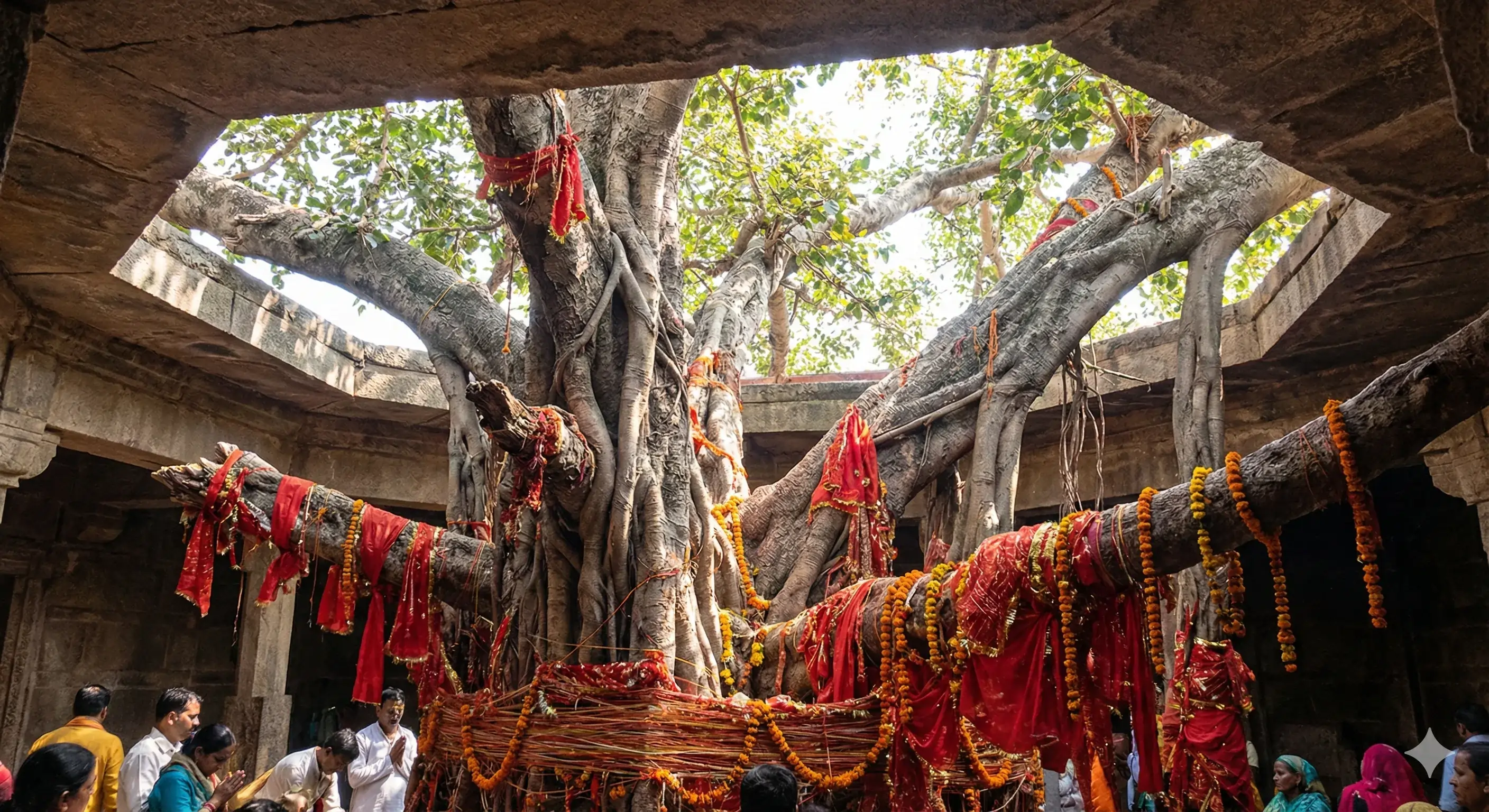
The Indestructible Banyan Tree. Located inside the Allahabad Fort, this tree is believed to survive even the cosmic dissolution (Pralaya). Pilgrims visit it to seek eternal blessings and the liberation of ancestors.
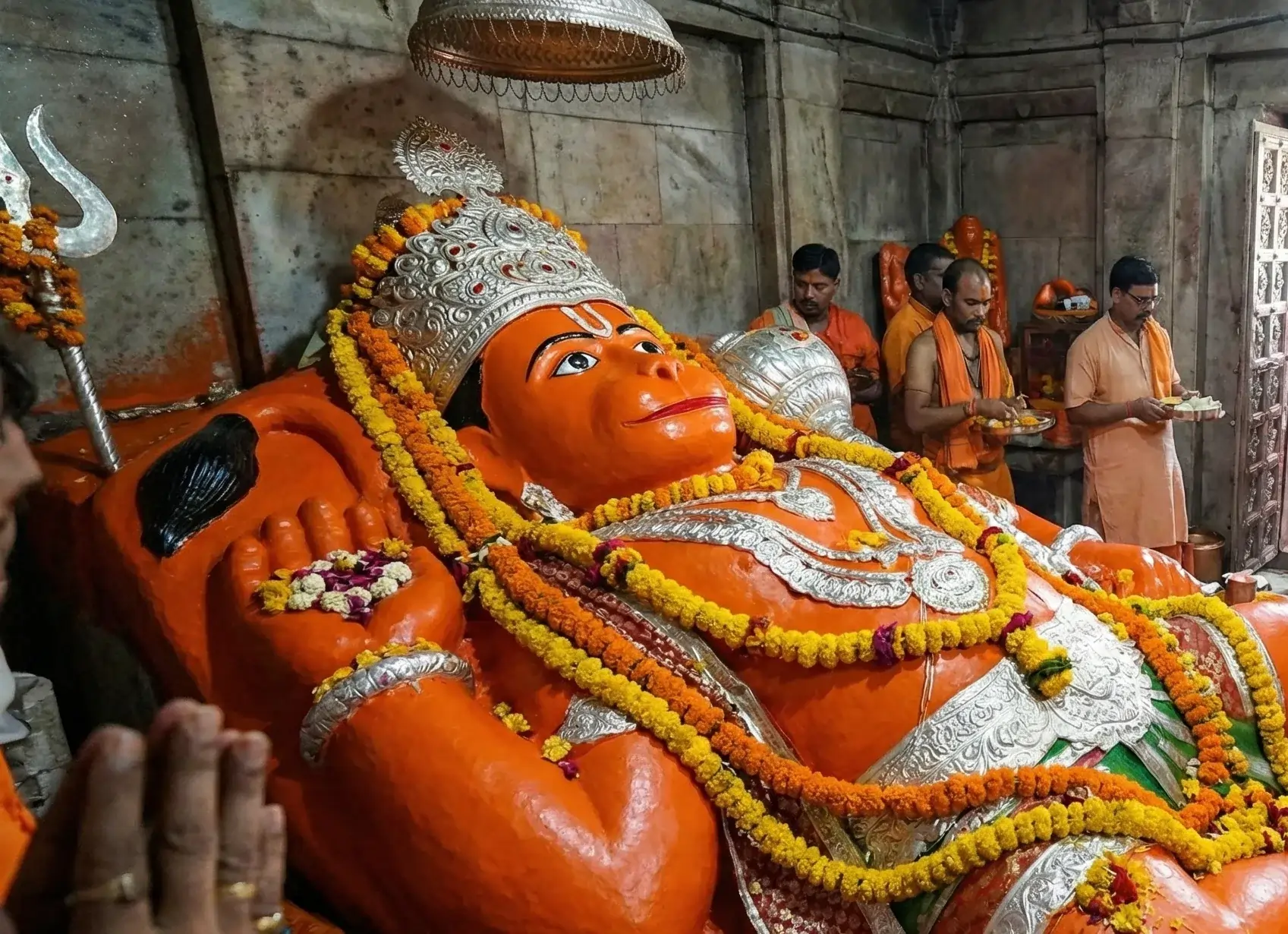
A unique temple where Lord Hanuman is in a reclining or sleeping posture. It is located near the Sangam. During the monsoons, the Ganga rises to touch the feet of the deity, a yearly miracle witnessed by locals.
The entire Kumbh city (approx 58 sq km) becomes a pedestrian-only zone. Private vehicles are stopped 10-15 km away at outer parking lots. You must rely on government shuttle buses or walk.
Be prepared to walk 5km to 10km daily. The pontoon bridges across the Ganges are long, and the distance from the camps to the Sangam can be significant. Comfortable footwear is mandatory.
There is heavy police deployment. Carry original ID proofs at all times. Do not carry heavy bags to the bathing ghats. Photography is restricted in certain zones, especially near the Akharas.
January and February in Prayagraj are extremely cold, with temperatures dropping to 4°C - 6°C at night. Dense fog is common in the mornings. Heavy woolens and thermals are essential.