The Kumbh Mela in Prayagraj is not just a festival; it is a phenomenon. Recognized by UNESCO as an Intangible Cultural Heritage of Humanity, it is the largest peaceful gathering of people on Earth. It occurs every 12 years (Purna Kumbh) and every 6 years (Ardh Kumbh), based on astrological positions of Jupiter and the Sun.
Mythology states that during the churning of the cosmic ocean, drops of the Nectar of Immortality (Amrit) fell at four places: Prayagraj, Haridwar, Ujjain, and Nashik. The Mela celebrates this event. During the festival, the dry riverbeds are transformed into a massive temporary city ('Tent City') complete with roads, electricity, pontoon bridges, hospitals, and police stations.
The highlight is the 'Shahi Snan' (Royal Bath), where the various Akharas (orders of warrior-sadhus) march in grand processions to bathe in the river first. The sight of Naga Sadhus (naked ascetics) covered in ash, rushing into the water, is iconic.
Even outside the main Kumbh years, the annual 'Magh Mela' (Jan-Feb) offers a mini-version of this experience, where pilgrims live in tents and practice austerity (Kalpavas) for a month.
Visiting during the Kumbh is intense and crowded, but it offers a unique insight into the organizational capacity and spiritual depth of India.

The sacred confluence of the Ganga, Yamuna, and mythical Saraswati. The distinct colors of the rivers are visible where they meet mid-stream.
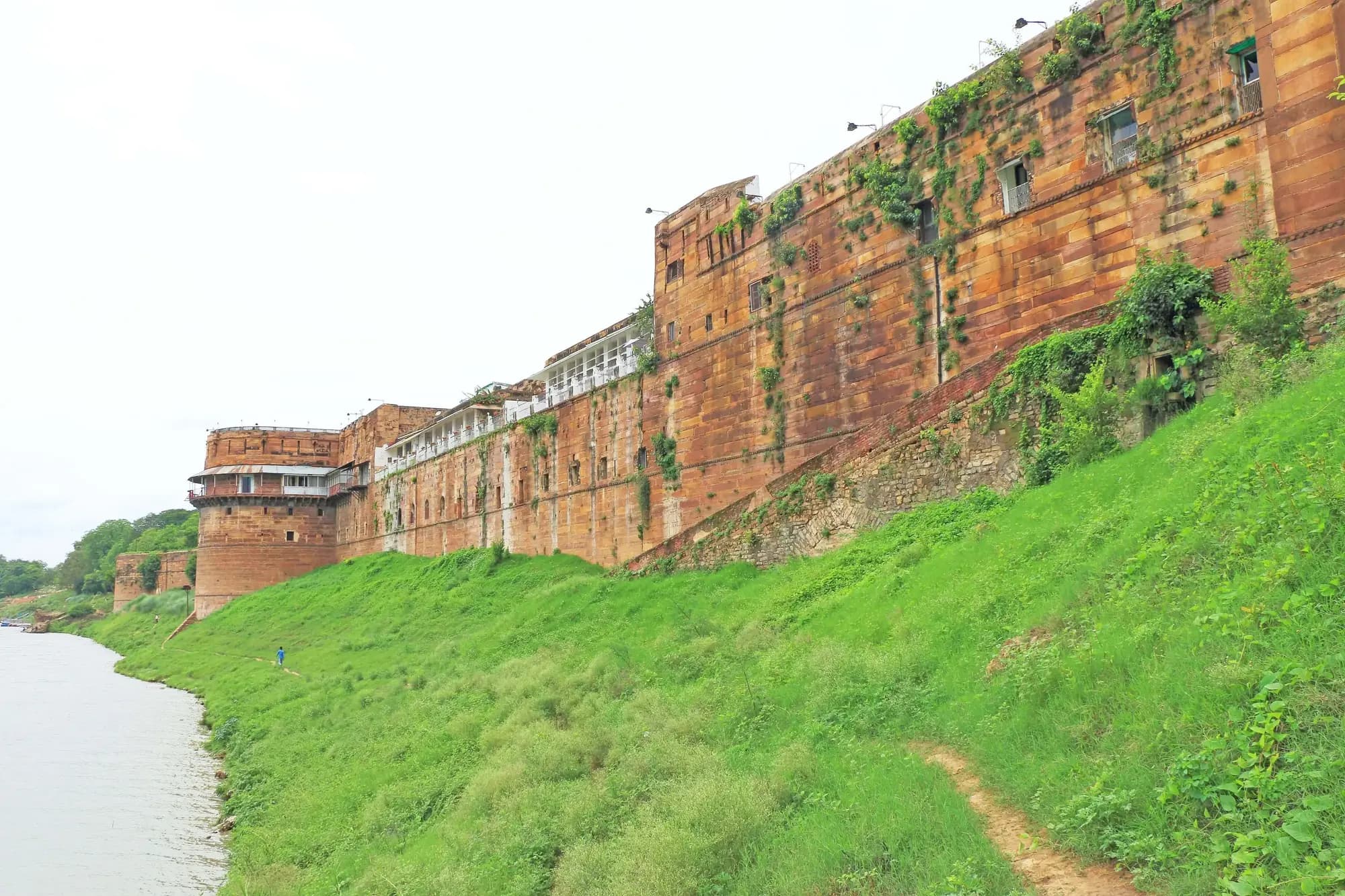
A massive fort built by Emperor Akbar in 1583 on the banks of the confluence. It houses the immortal 'Akshaya Vat' tree and the Patalpuri Temple.
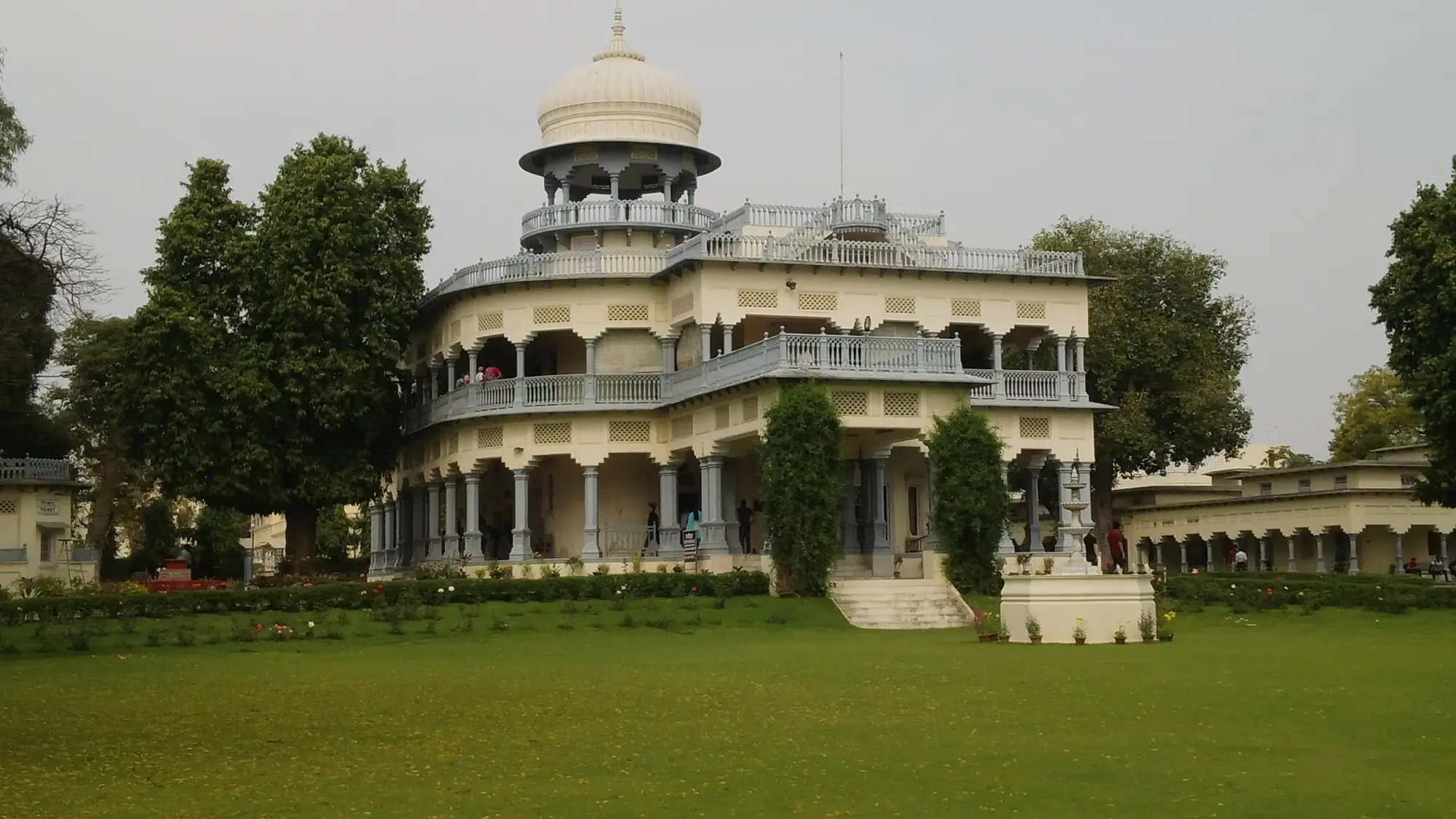
The historic ancestral home of the Nehru-Gandhi family. A pilgrimage site for those interested in India's freedom struggle.