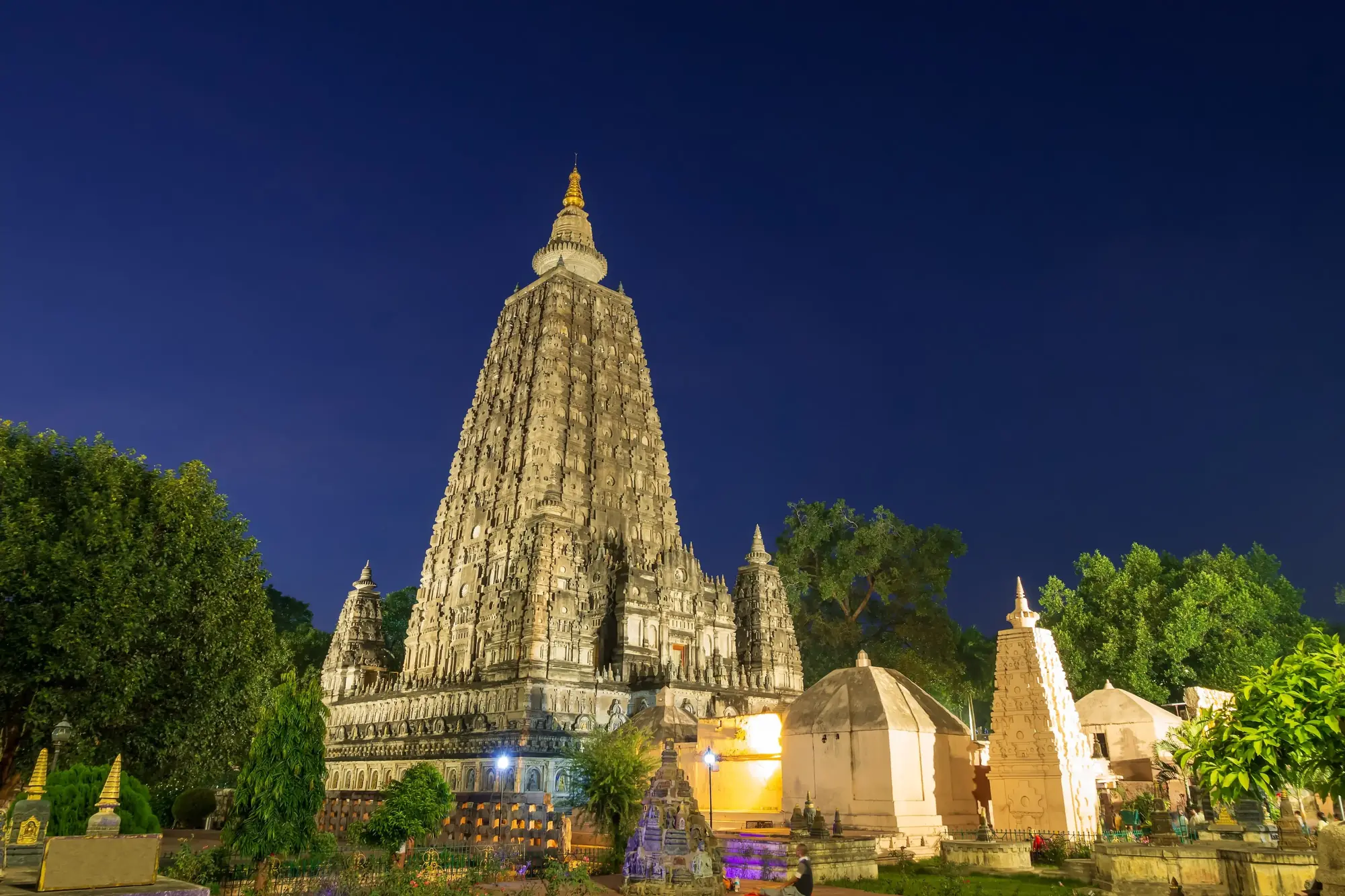
The Mahabodhi Temple Complex is the soul of Bodh Gaya. A UNESCO World Heritage site, it is one of the earliest brick Buddhist temples to survive in India, with the current structure dating back to the 5th–6th century CE (Gupta Period), though the original shrine was commissioned by Emperor Ashoka in the 3rd century BCE. The central tower rises 55 meters high, an architectural marvel of intricate carvings and niches housing Buddha statues.
Inside the temple, the sanctum houses a colossal gilded statue of the Buddha in the 'Bhumisparsha Mudra' (Earth-touching posture). This gesture symbolizes the moment he called upon the Earth to witness his enlightenment and his victory over the demon Mara. The atmosphere inside is heavy with the scent of incense and the vibration of silent prayers.
The temple complex also includes seven sacred spots where Buddha spent seven weeks after his enlightenment, including the unblinking gaze path (Animesh Lochan Chaitya) and the lotus pond (Muchalinda Lake). The railings surrounding the temple are among the oldest surviving stone sculptures in India.
Devotees from all over the world can be seen performing prostrations on wooden boards in the gardens. The sight of monks in maroon, saffron, and white robes chanting in unison under the floodlights at night is an unforgettable experience.
Shoes and mobile phones must be deposited at the entrance. The complex is impeccably maintained and offers a profound sense of peace despite the crowds.
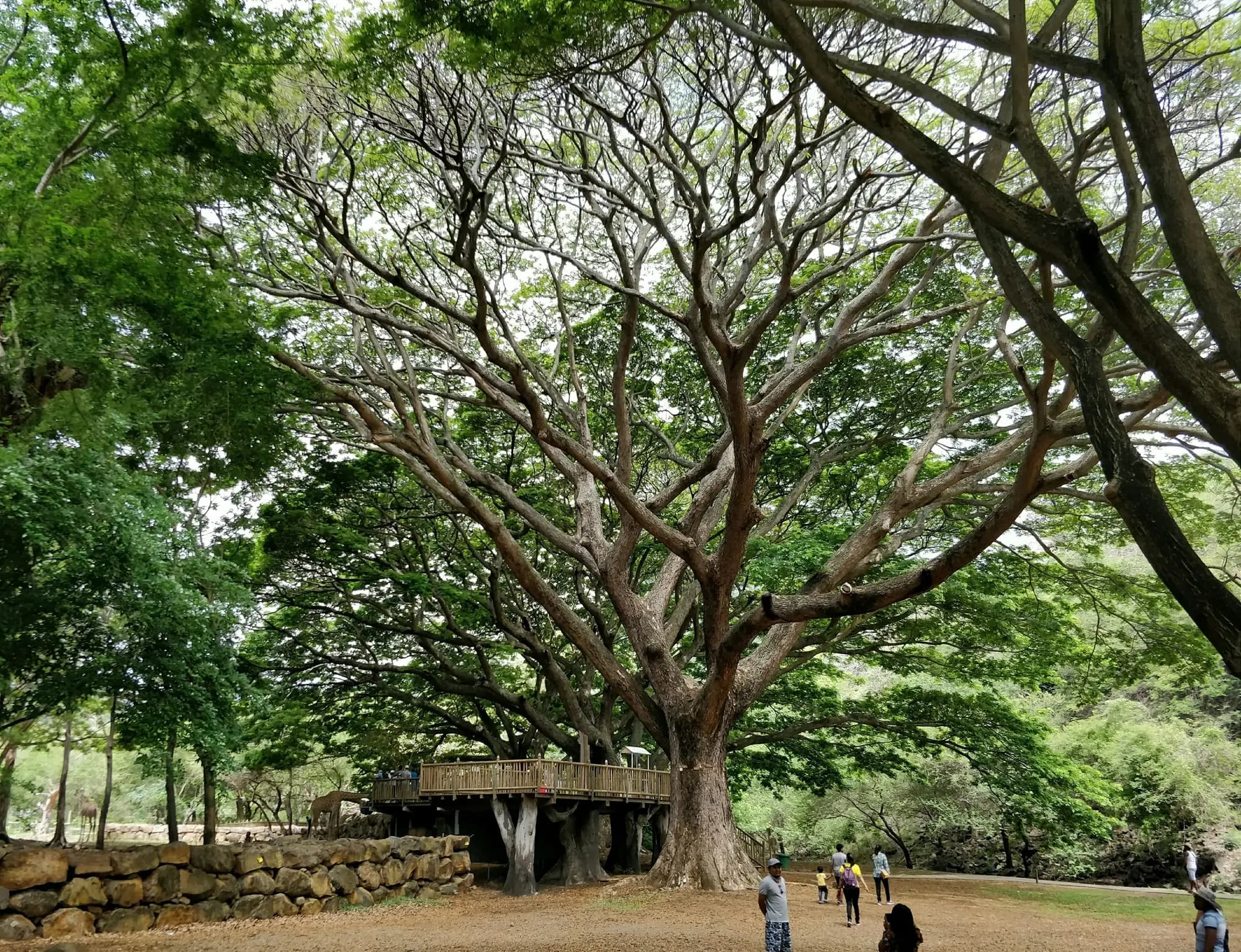
The sacred Ficus religiosa under which Siddhartha became the Buddha. The current tree is a direct descendant of the original.
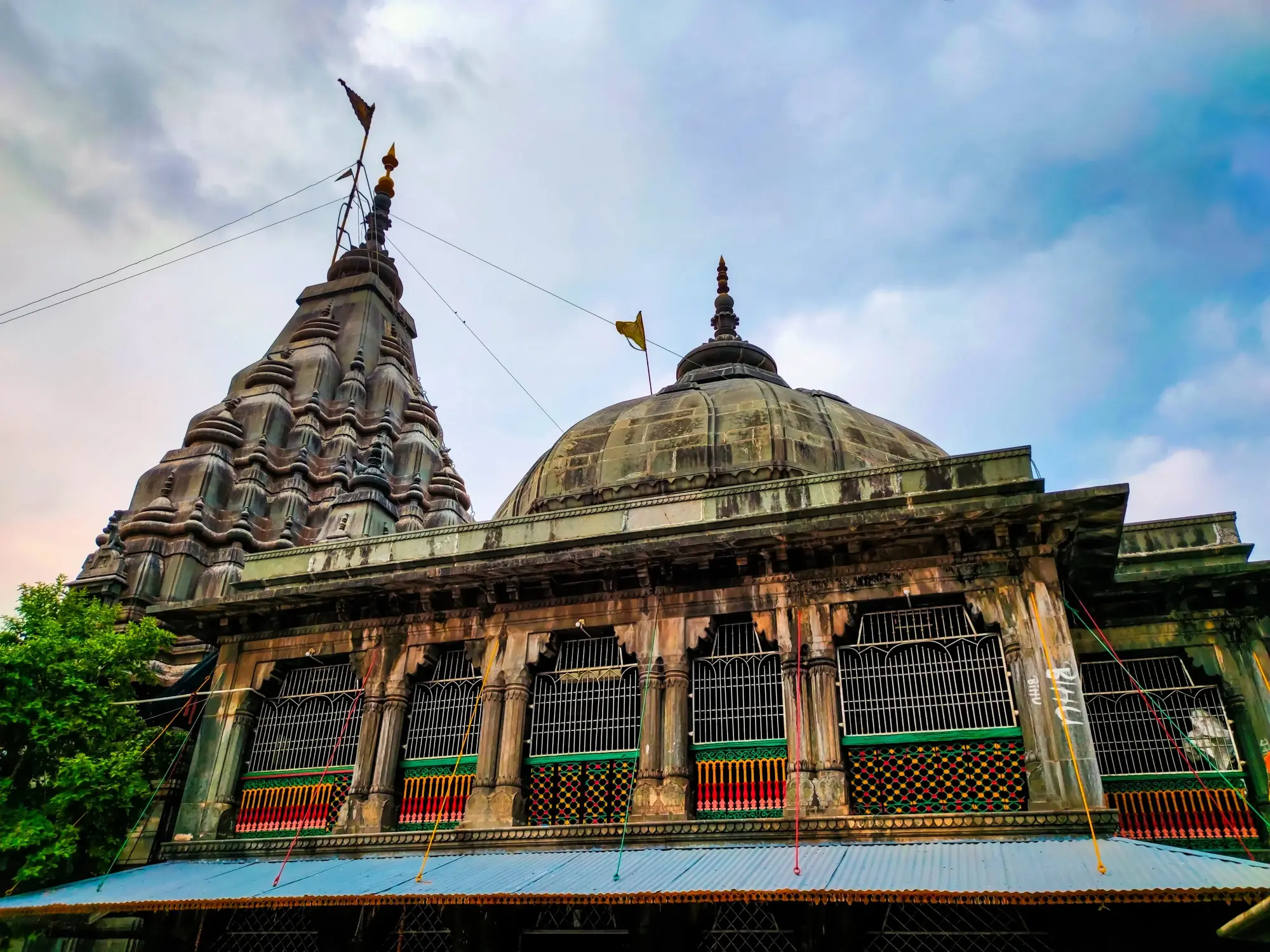
An ancient Hindu temple on the Falgu riverbank dedicated to Lord Vishnu. It houses a 40cm footprint of the Lord stamped into basalt rock.
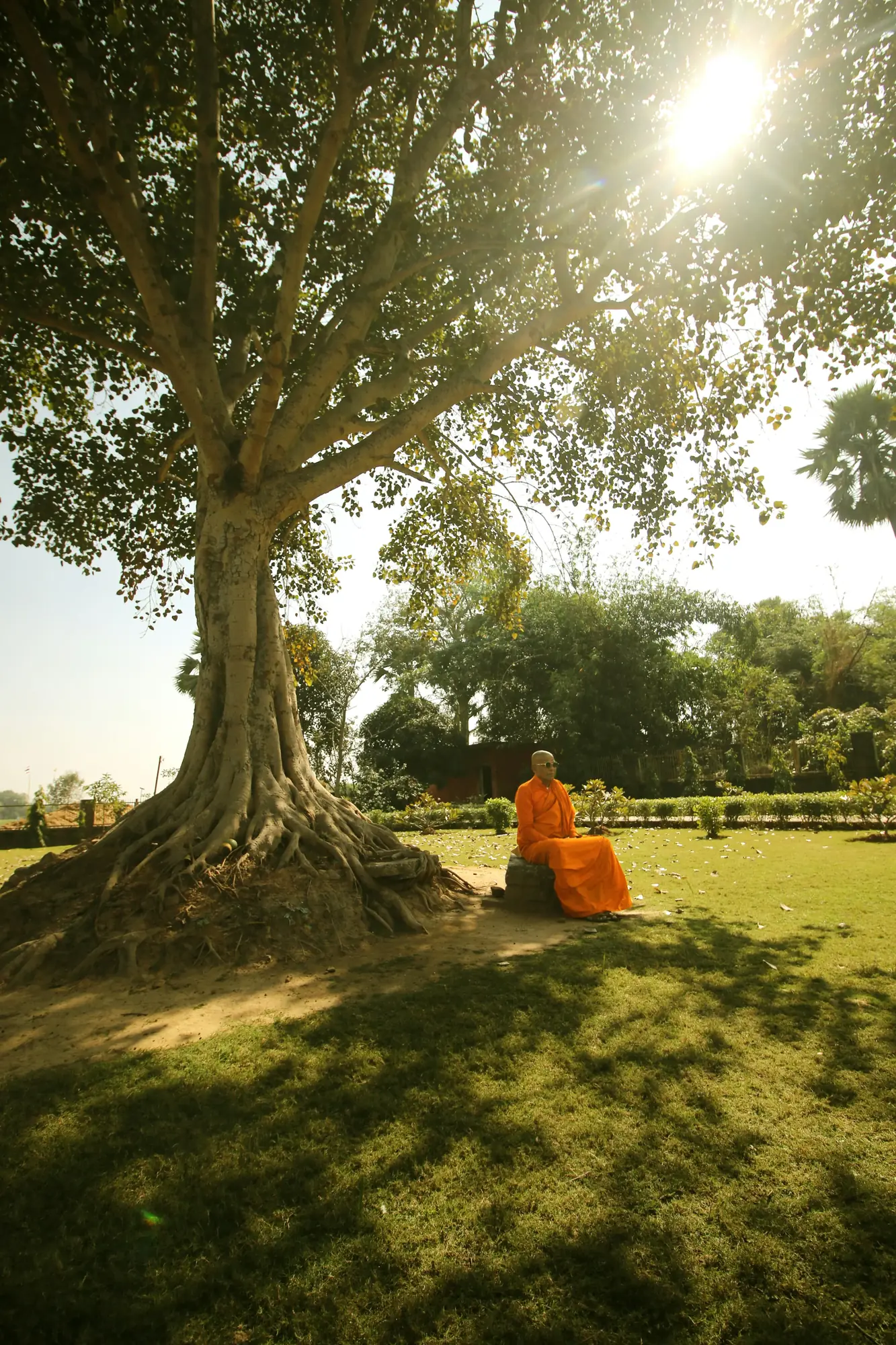
Sit in silence in the meditation park within the temple complex. A profound way to connect with the energy of the site.