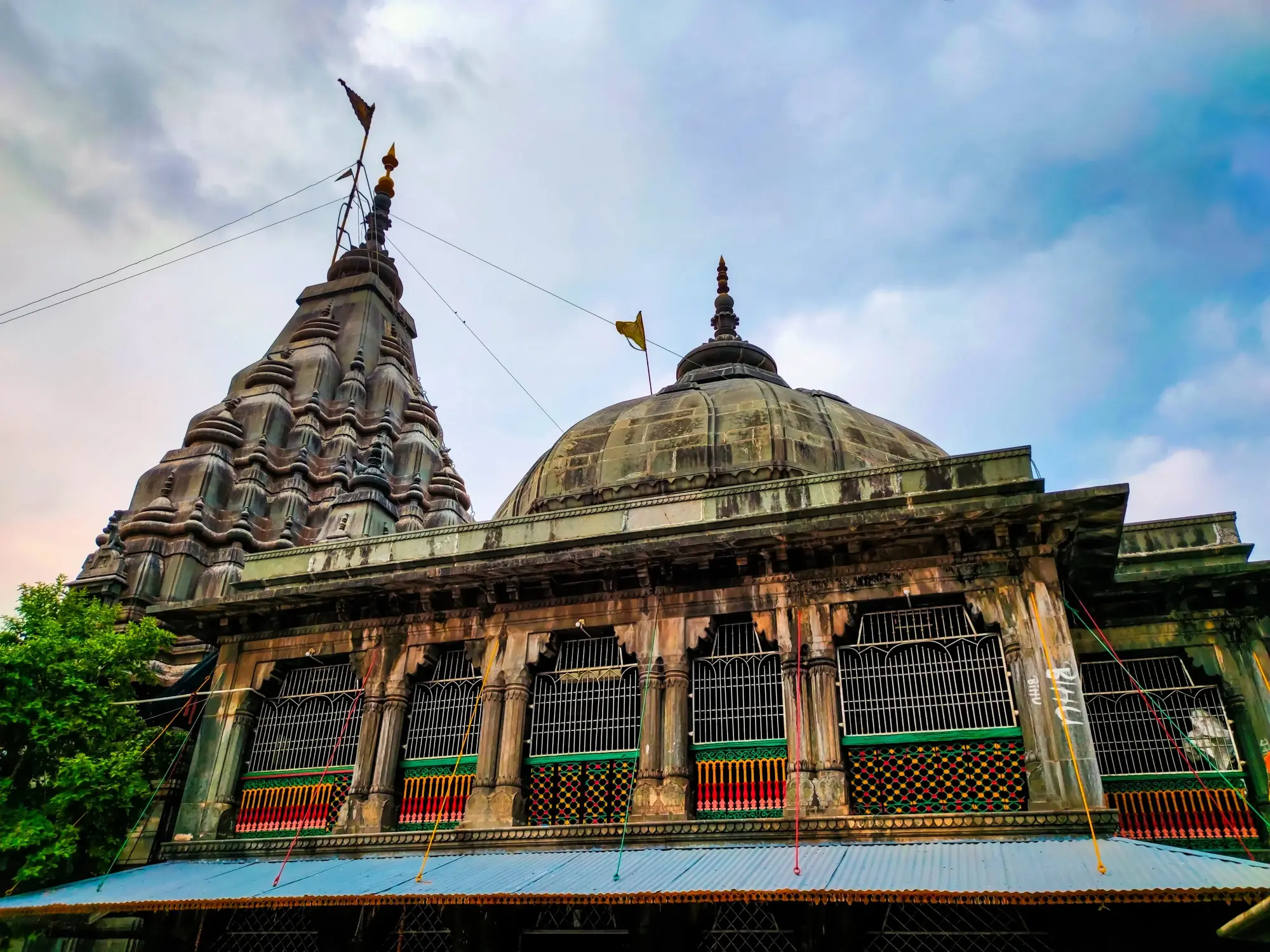
While Bodh Gaya is Buddhist, the city of Gaya itself is deeply Hindu, anchored by the Vishnupad Temple. Located on the banks of the Falgu River, this temple is dedicated to Lord Vishnu. The central object of worship is not an idol, but a footprint (Dharmasila) of Lord Vishnu, roughly 40 cm long, imprinted on a block of solid basalt rock. Legend says Vishnu placed his foot here to subdue the demon Gayasura.
The current structure was built in 1787 by Queen Ahilyabai Holkar of Indore (who also rebuilt the Kashi Vishwanath temple). The architecture is distinct, featuring an octagonal shrine built of gray granite blocks held together with iron clamps, without the use of cement. The shikhara (tower) is 100 feet high.
This temple is the starting point for the Pind Daan rituals. Inside, the atmosphere is ancient and bustling with 'Pandas' (priests) guiding families through rites. Non-Hindus are traditionally not allowed inside the inner sanctum, though they can view the temple from the courtyard.
A gold flag weighing 50 kg sits atop the temple, donated by a devotee. The temple connects to the river via steep ghats where pilgrims take holy dips.
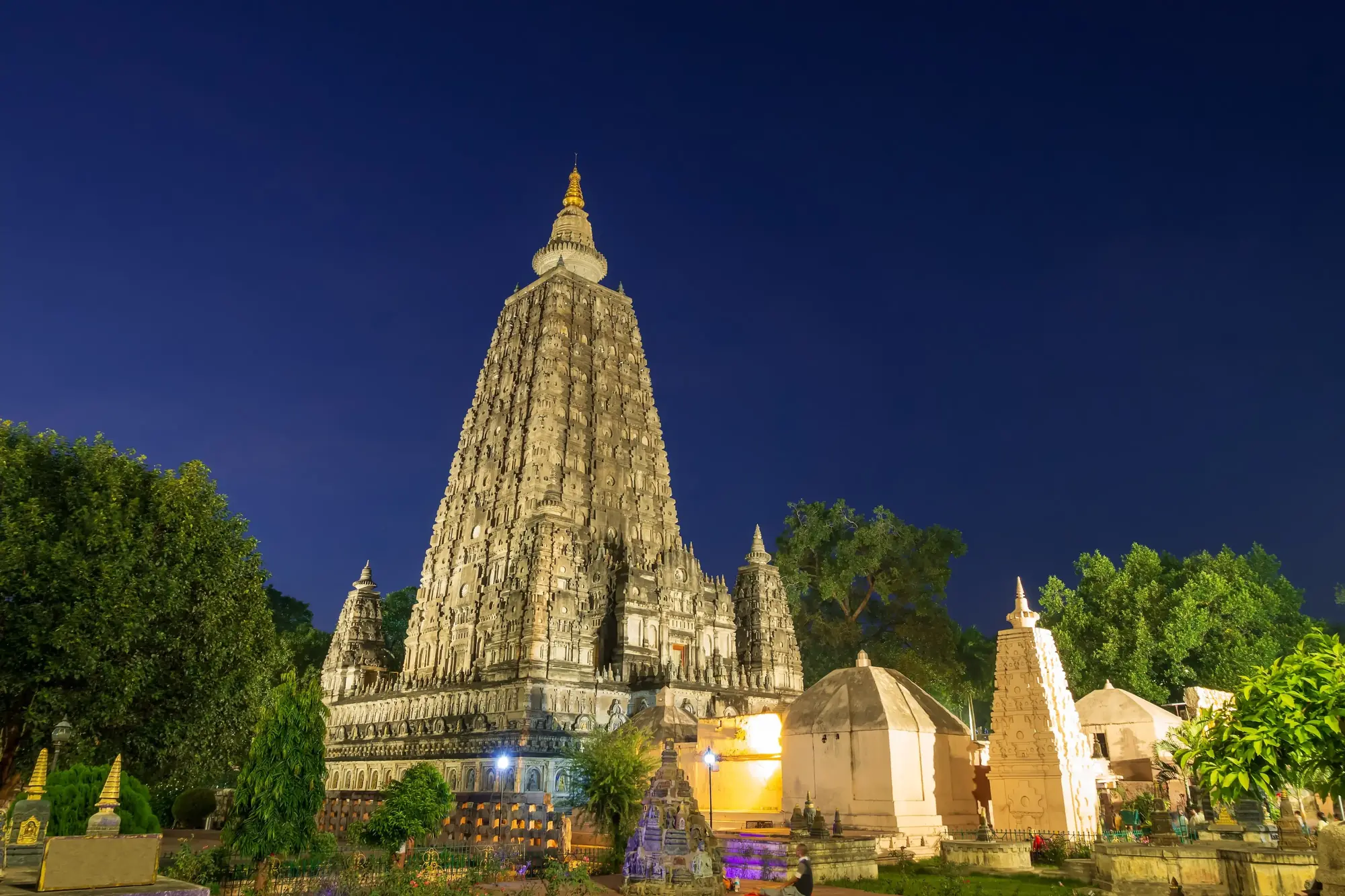
A UNESCO World Heritage site and one of the oldest brick structures in India. It marks the exact spot of the Buddha's enlightenment.
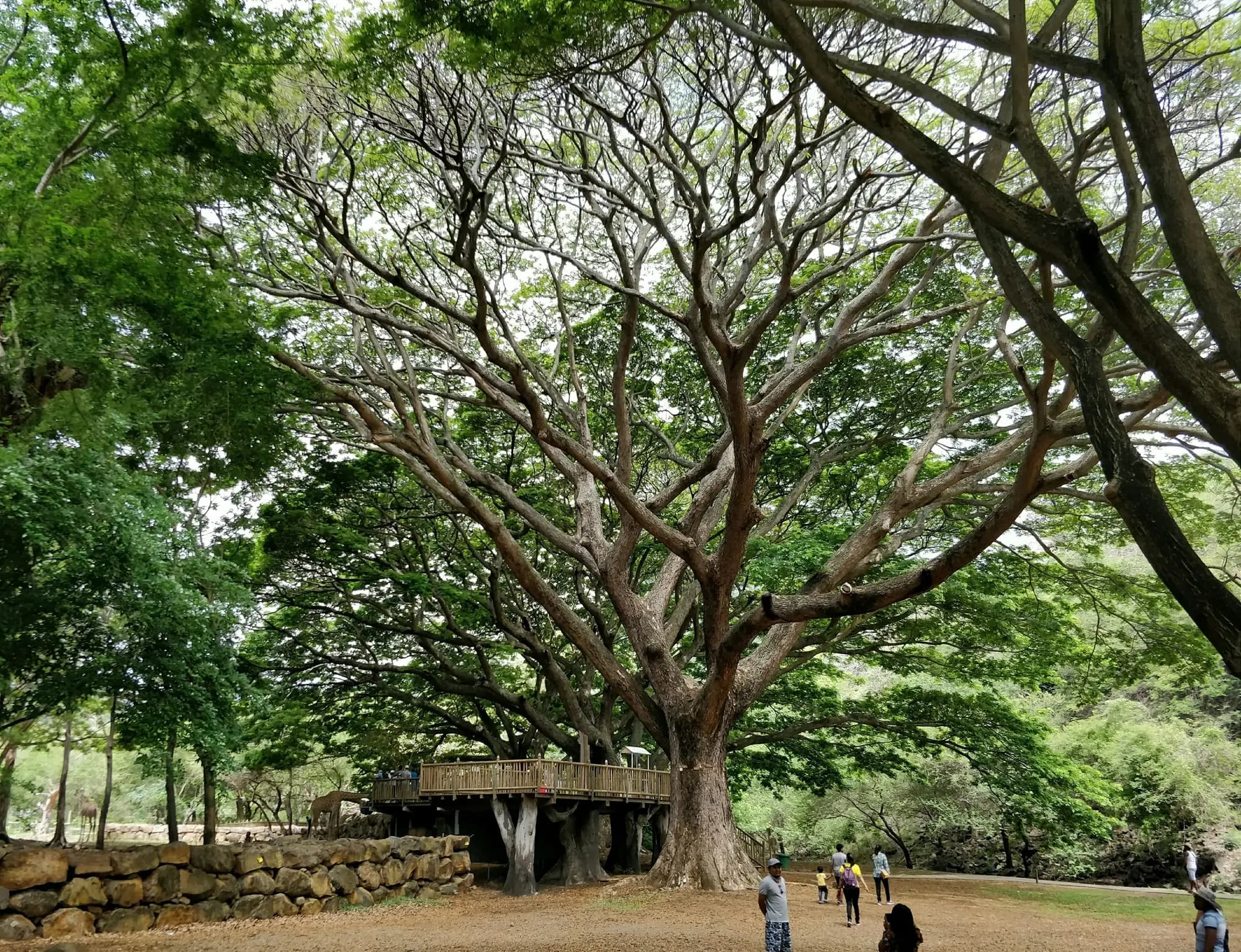
The sacred Ficus religiosa under which Siddhartha became the Buddha. The current tree is a direct descendant of the original.
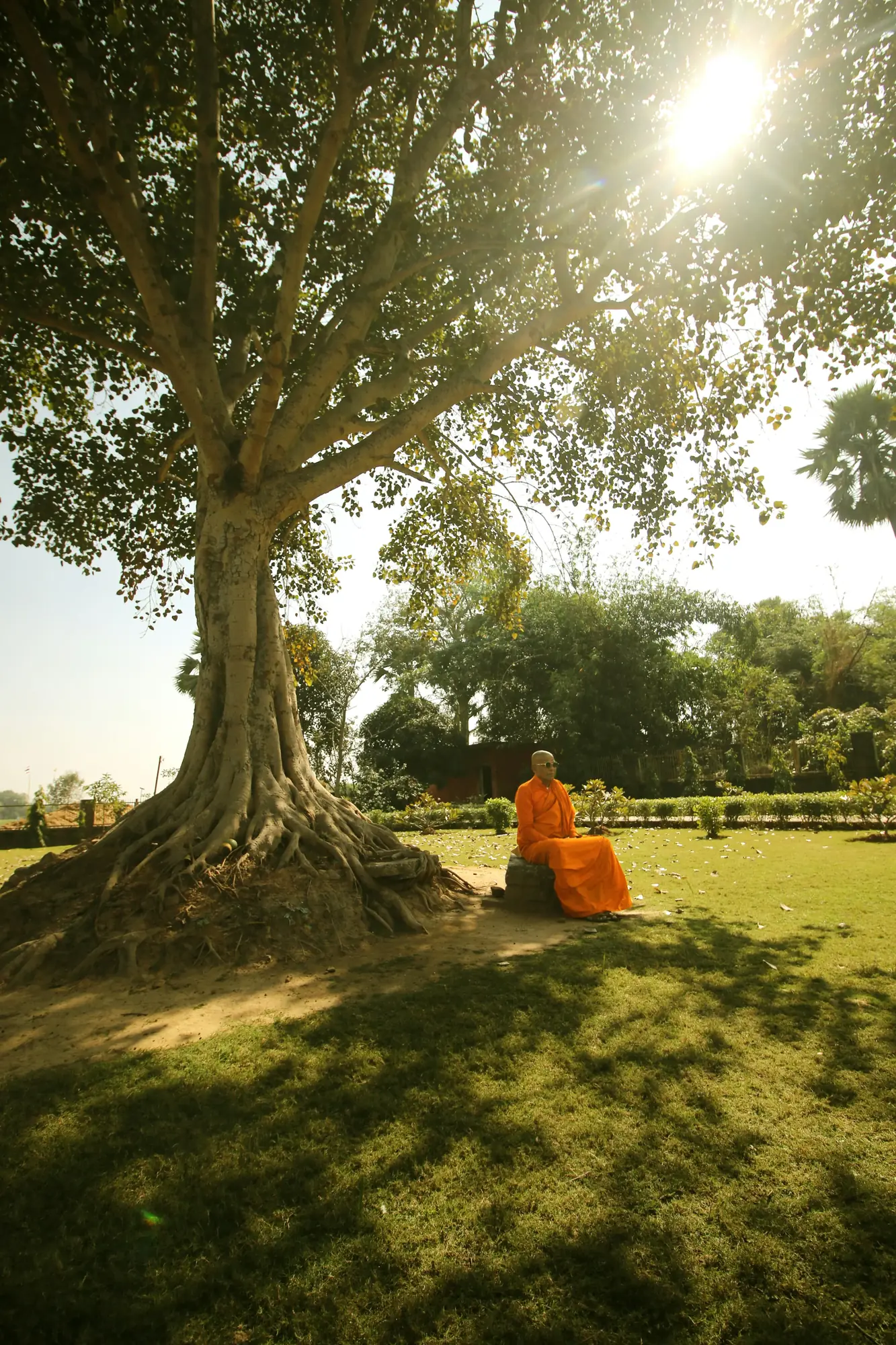
Sit in silence in the meditation park within the temple complex. A profound way to connect with the energy of the site.