Where Souls Find Peace
Gaya is a unique destination where two profound spiritual streams converge. On one side is the ancient city of Gaya, located on the banks of the Falgu River. For Hindus, this is the 'Moksha Dham,' the ultimate site for 'Pind Daan'—the ritual offering of rice cakes to ancestors. Legend states that the demon Gayasura performed such severe penance that Lord Vishnu granted him a boon: anyone who touches his body (the land of Gaya) would be absolved of their sins. Thus, millions flock here during the Pitru Paksha period to ensure the salvation of their departed kin.
Just 13 kilometers away lies Bodh Gaya, the holiest site in the Buddhist world. It was here, under the sacred Bodhi Tree, that Prince Siddhartha Gautama meditated and attained Enlightenment (Nirvana), becoming the Buddha (The Awakened One). The UNESCO World Heritage-listed Mahabodhi Temple marks this spot, serving as a beacon of peace that draws pilgrims from Japan, Tibet, Sri Lanka, Thailand, and beyond. The town is a global mosaic of culture, dotted with monasteries built in the architectural styles of various Buddhist nations.
Beyond religion, the region is historically significant as part of the ancient Magadha empire. It is home to the Barabar Caves, the oldest surviving rock-cut caves in India, which inspired E.M. Forster's "A Passage to India." The stark, rocky landscape, the dry riverbeds, and the ancient hills create a distinct atmosphere of austerity and contemplation, making Gaya a place not just for tourism, but for deep internal transformation.
Discover the sacred landmarks that define Gaya's spiritual landscape.
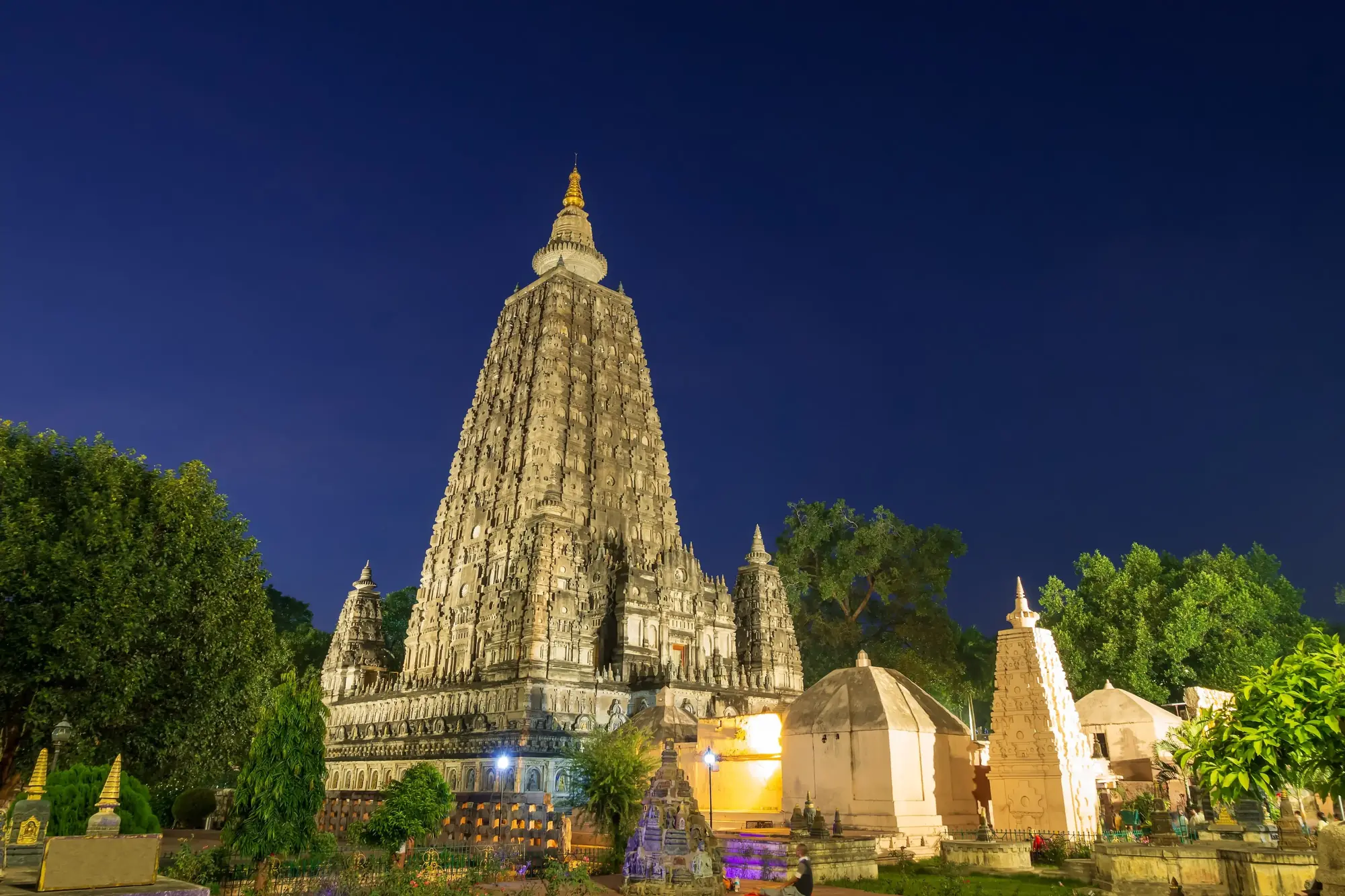
A UNESCO World Heritage site and one of the oldest brick structures in India. It marks the exact spot of the Buddha's enlightenment.
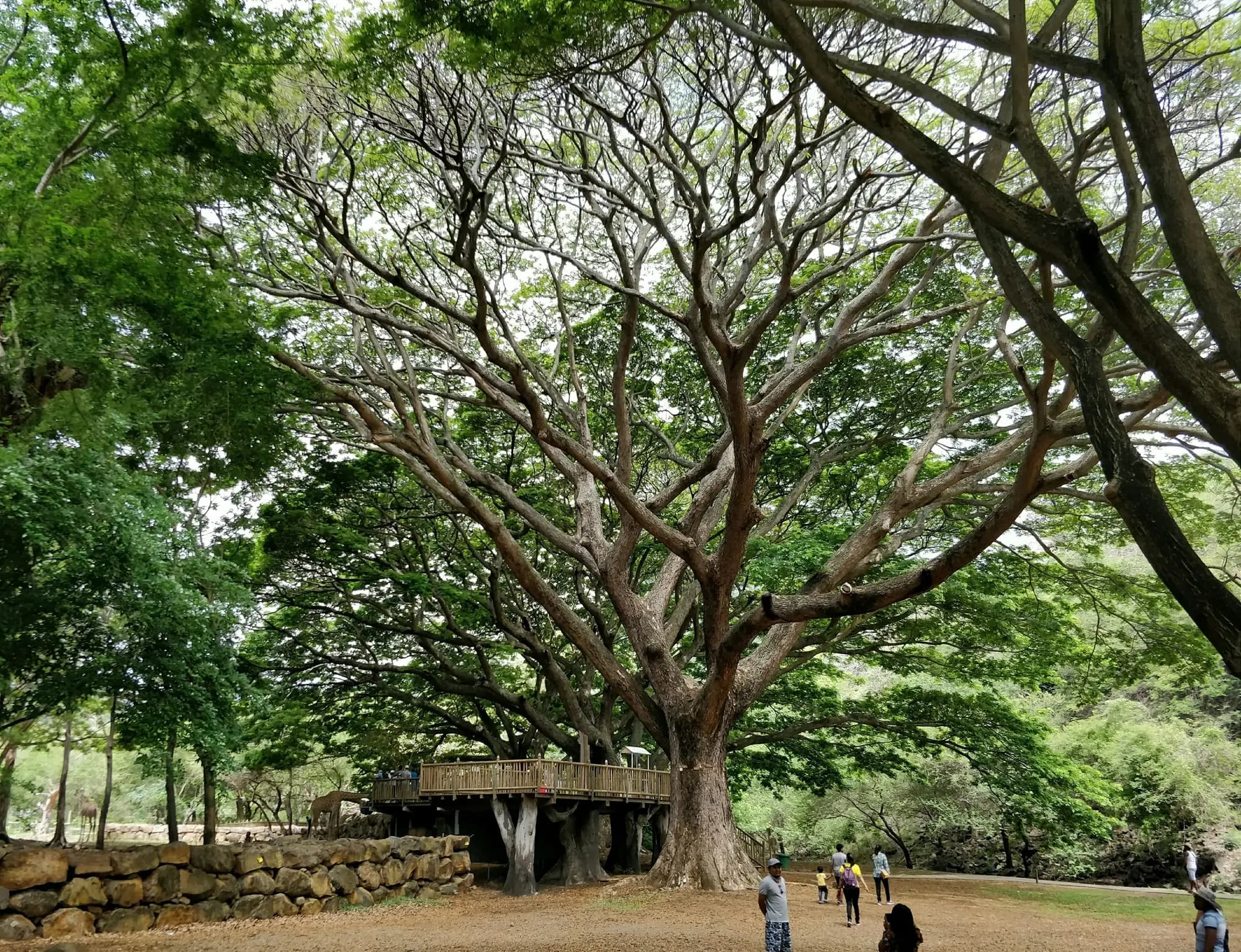
The sacred Ficus religiosa under which Siddhartha became the Buddha. The current tree is a direct descendant of the original.
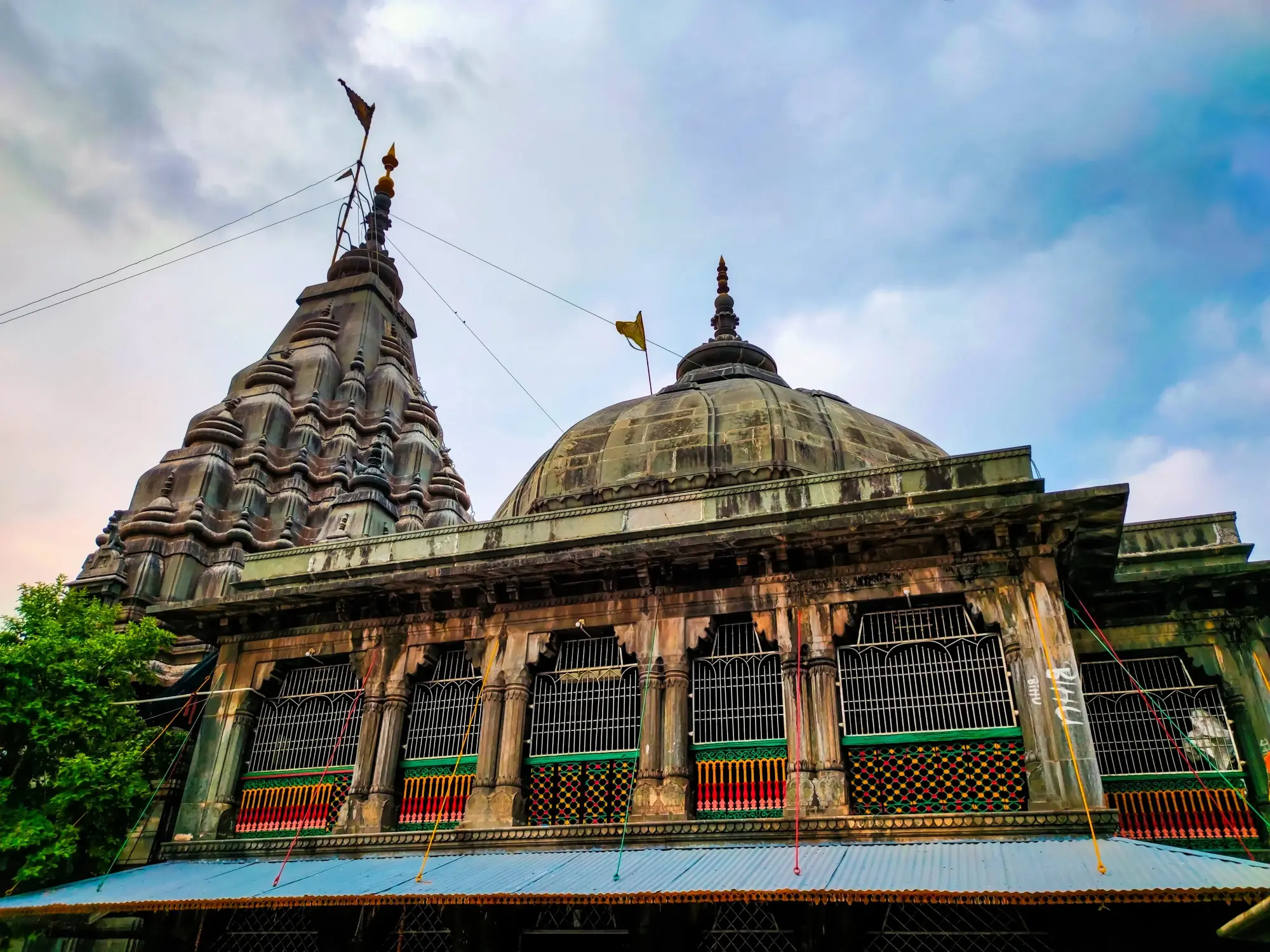
An ancient Hindu temple on the Falgu riverbank dedicated to Lord Vishnu. It houses a 40cm footprint of the Lord stamped into basalt rock.
Participate in rituals that bridge the gap between life, death, and enlightenment.
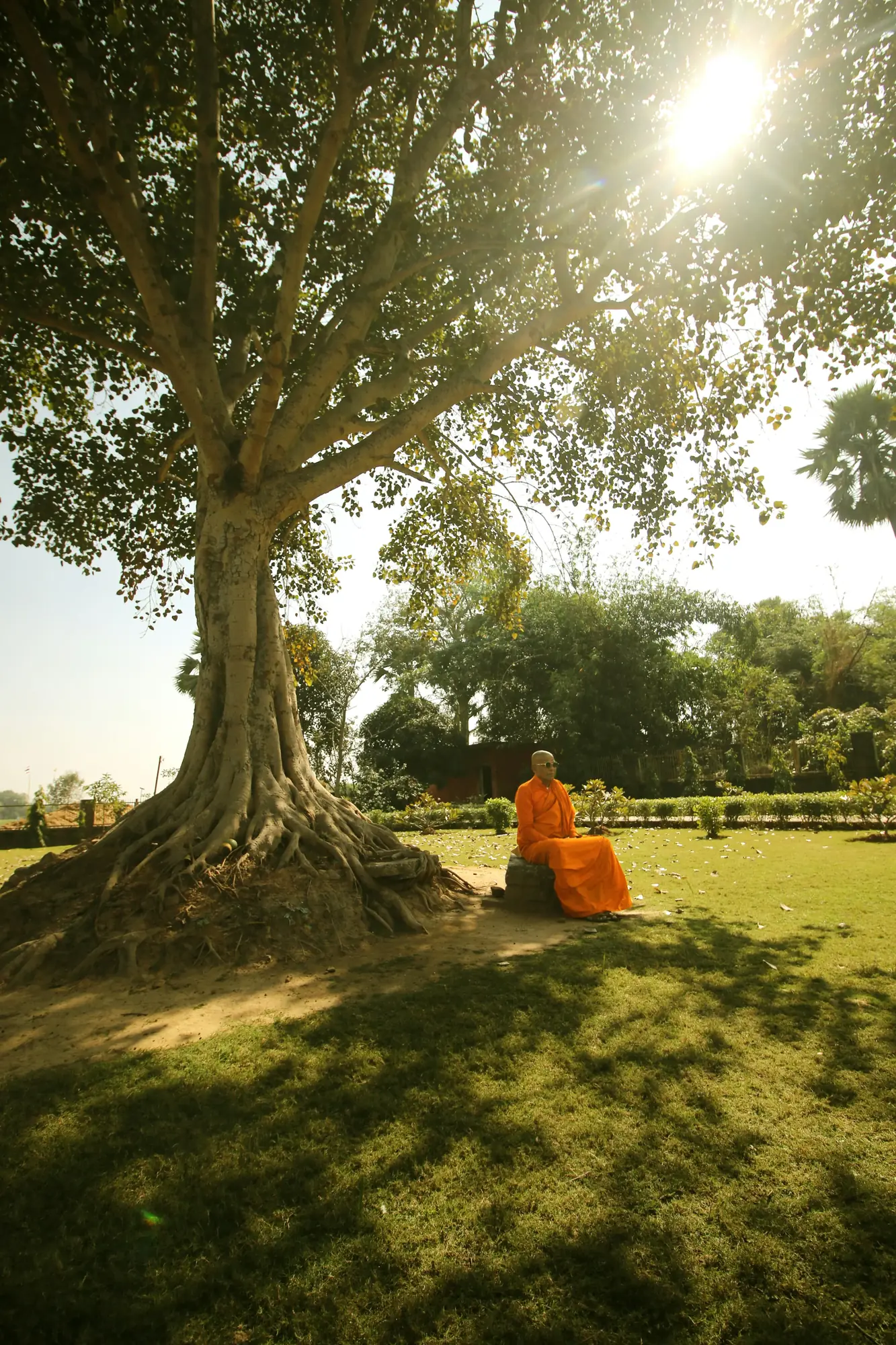
Sit in silence in the meditation park within the temple complex. A profound way to connect with the energy of the site.
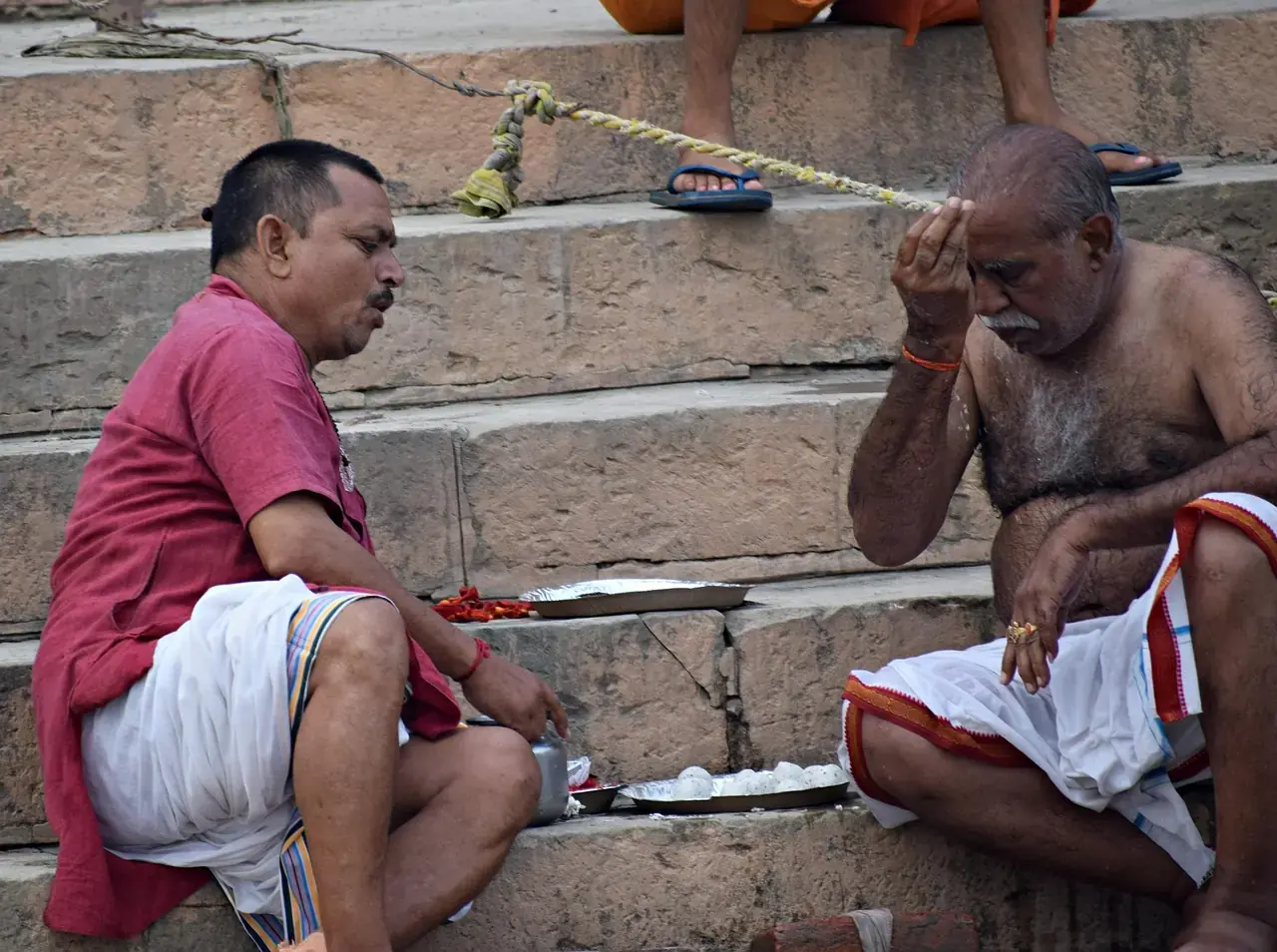
The sacred Hindu ritual of offering rice balls (Pind) to ancestors on the banks of the Falgu River to grant them peace.
A global tour in one town. Explore the Thai, Japanese, Bhutanese, and Tibetan monasteries, each reflecting their nation's architecture.
The Gaya Gharana: A hidden gem of Indian classical tradition.
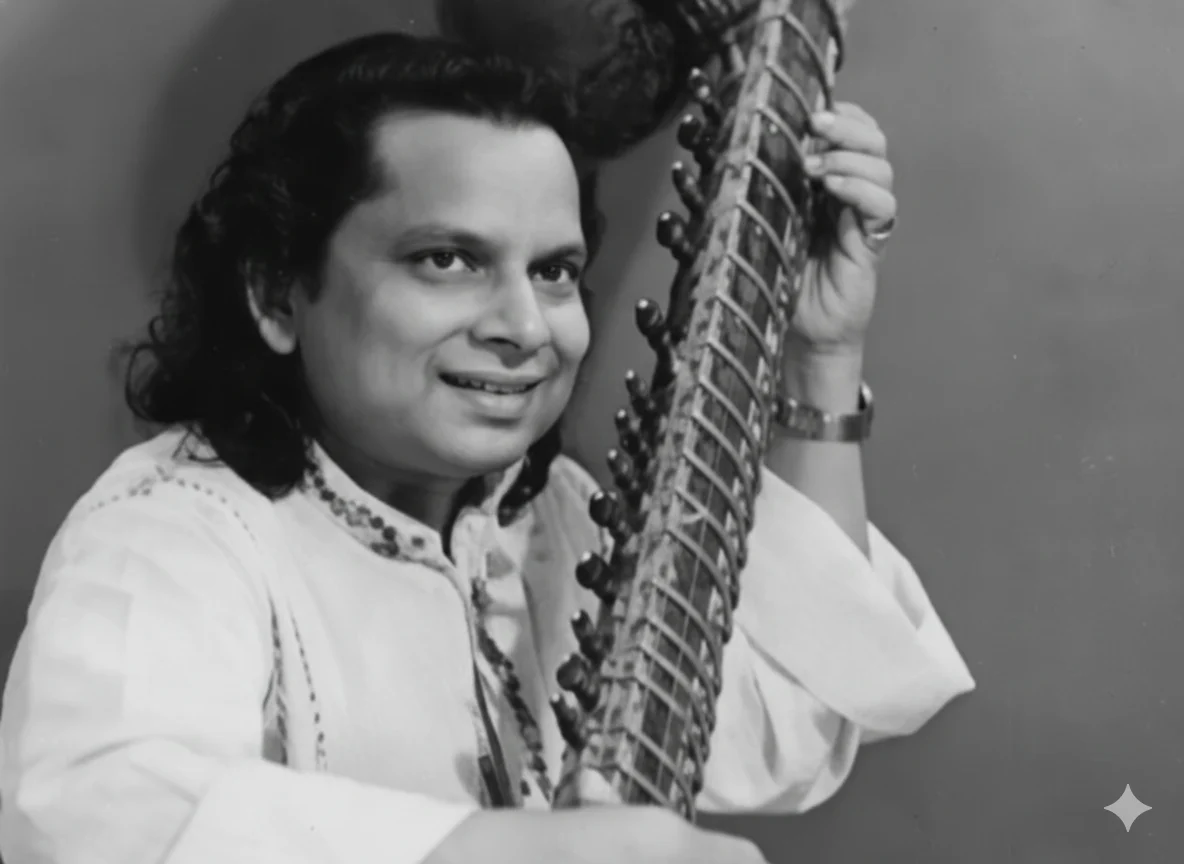
A doyen of the Gaya Gharana. A master of the Sitar and Surbahar, known for his dhrupad-ang style.
A celebrated vocalist of Gaya. His music reflected the Bhakti (devotion) inherent in the city's soil.
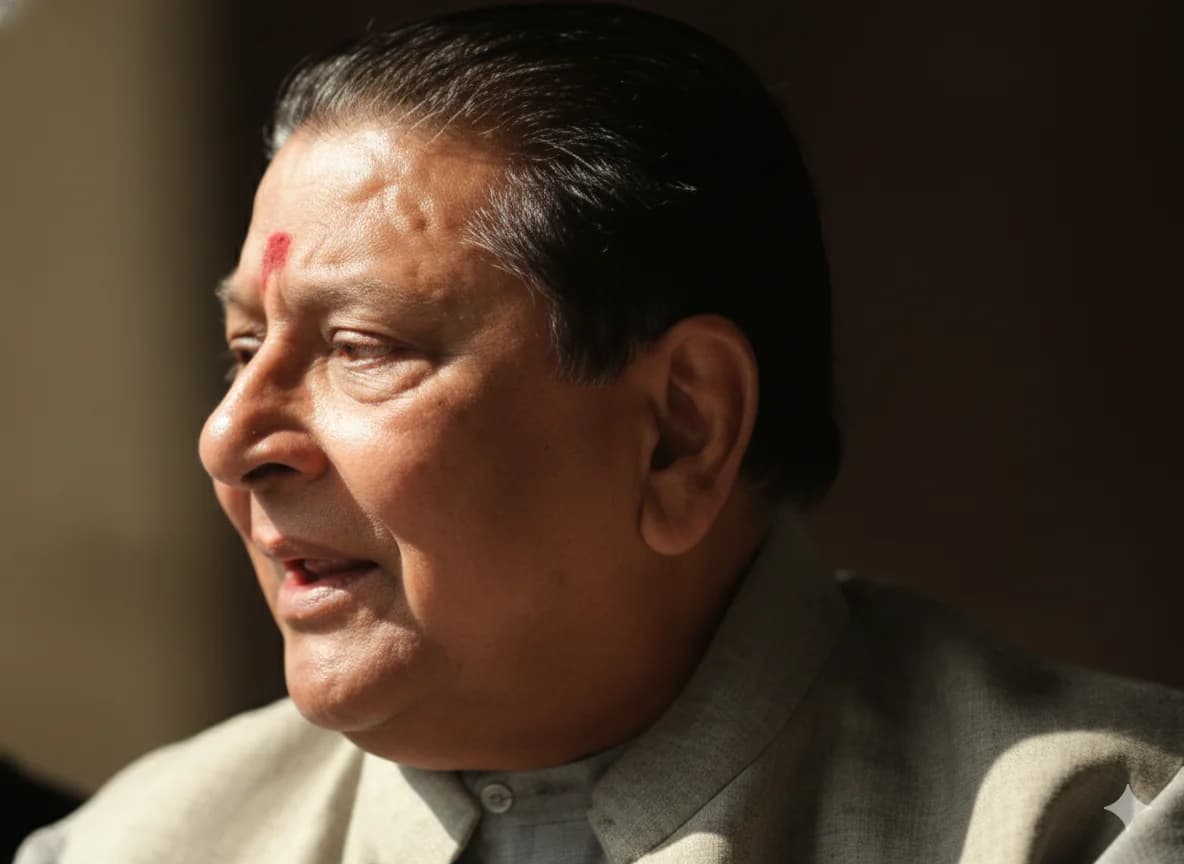
Continuing the Pathak legacy, he was a multi-instrumentalist who kept the Gaya musical flag flying high.
Stonework and textiles from the Magadha region.
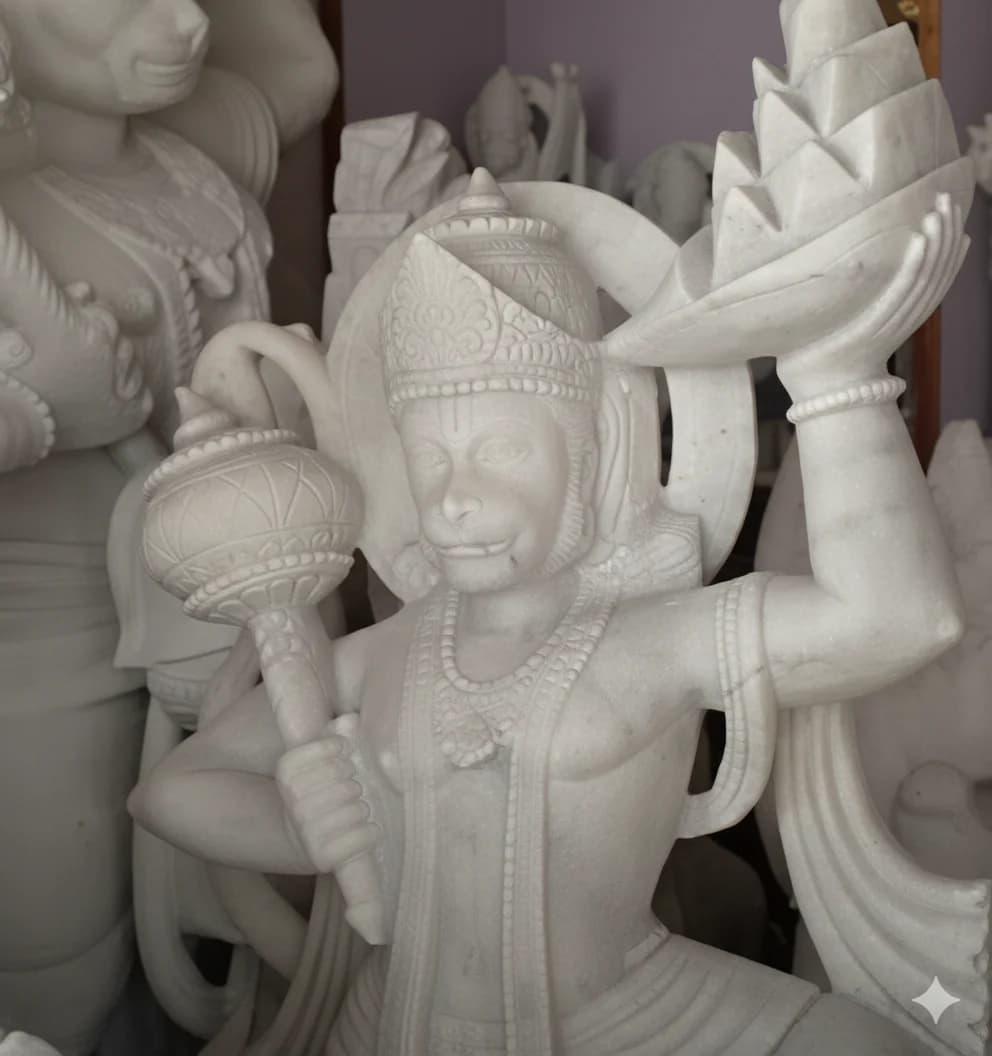
A village entirely dedicated to stone carving. Artisans create black stone statues of Buddha and Hindu deities.
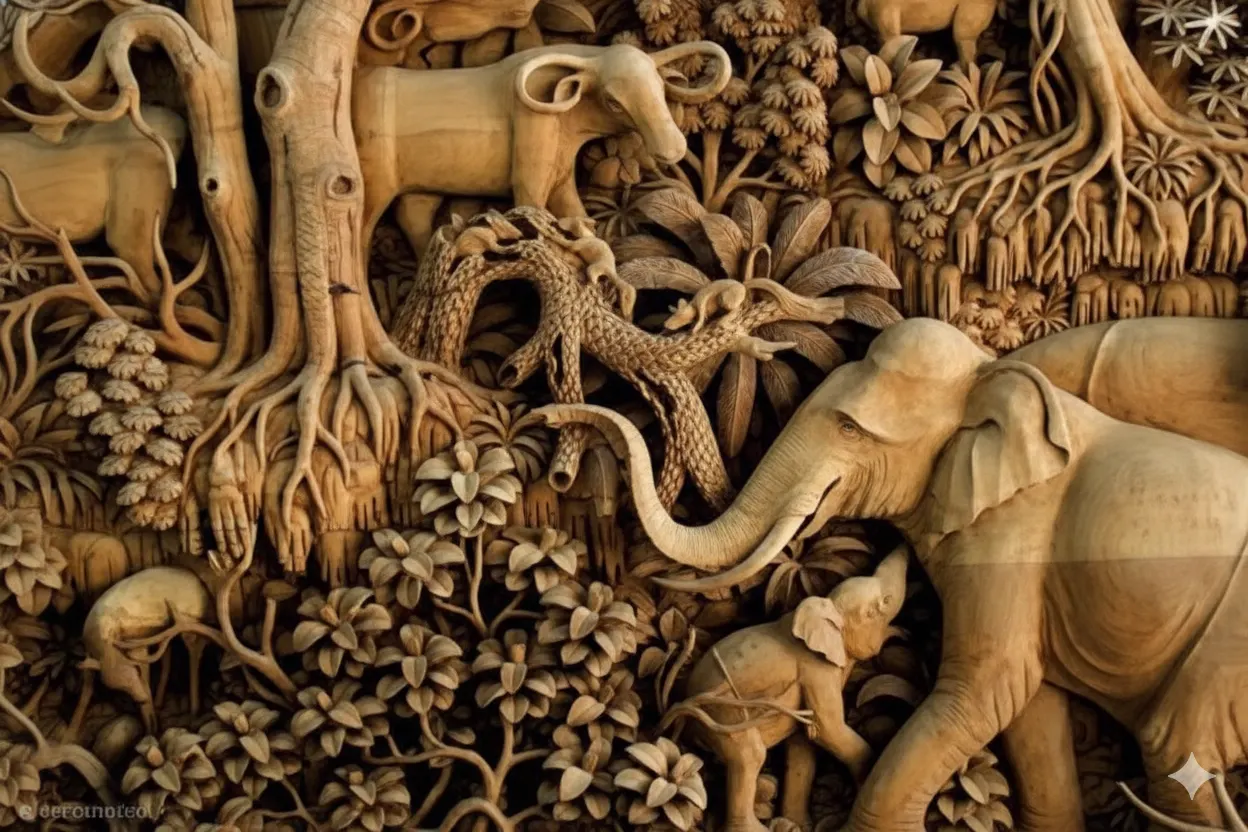
Wooden lacquered toys and ritual items. A colorful folk art tradition.
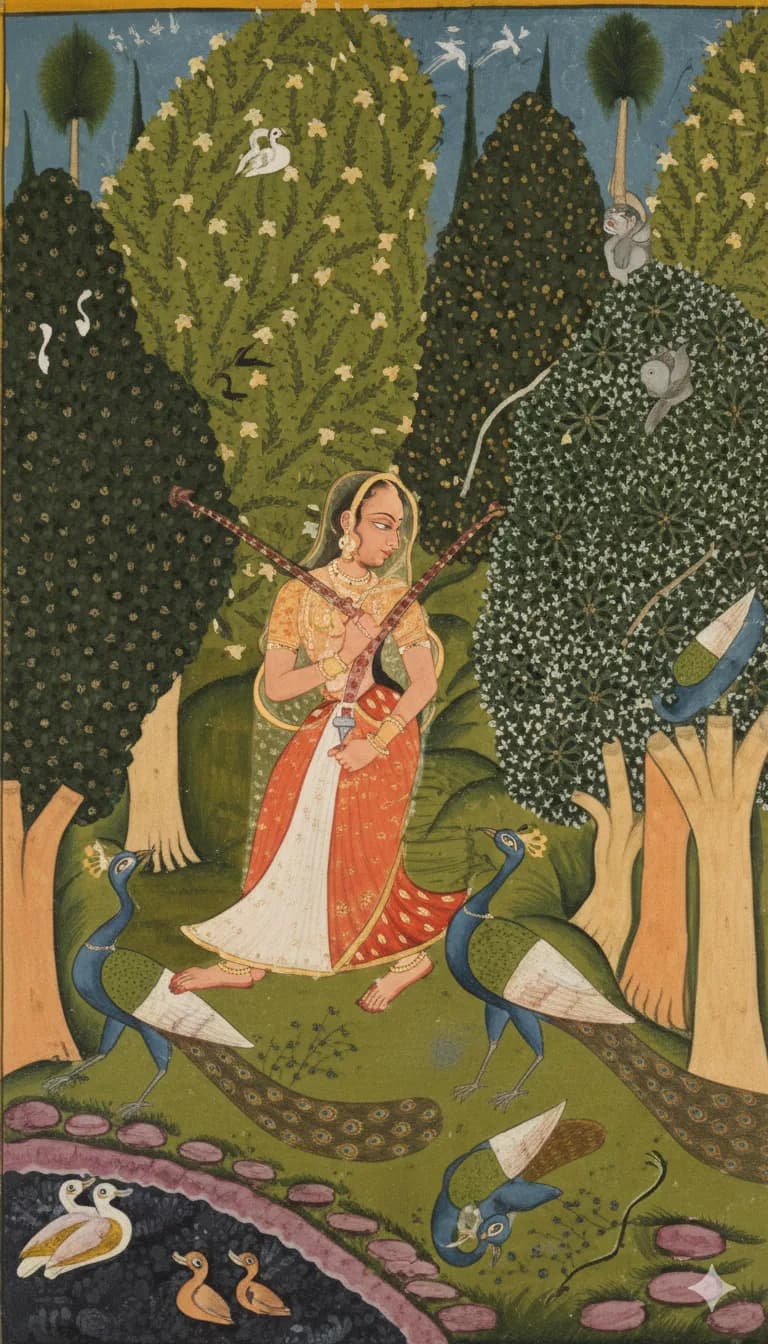
Paintings on peepal leaves or silk, depicting scenes from the life of Buddha.
The sweets of Tilkut and the rustic power of Litti Chokha.
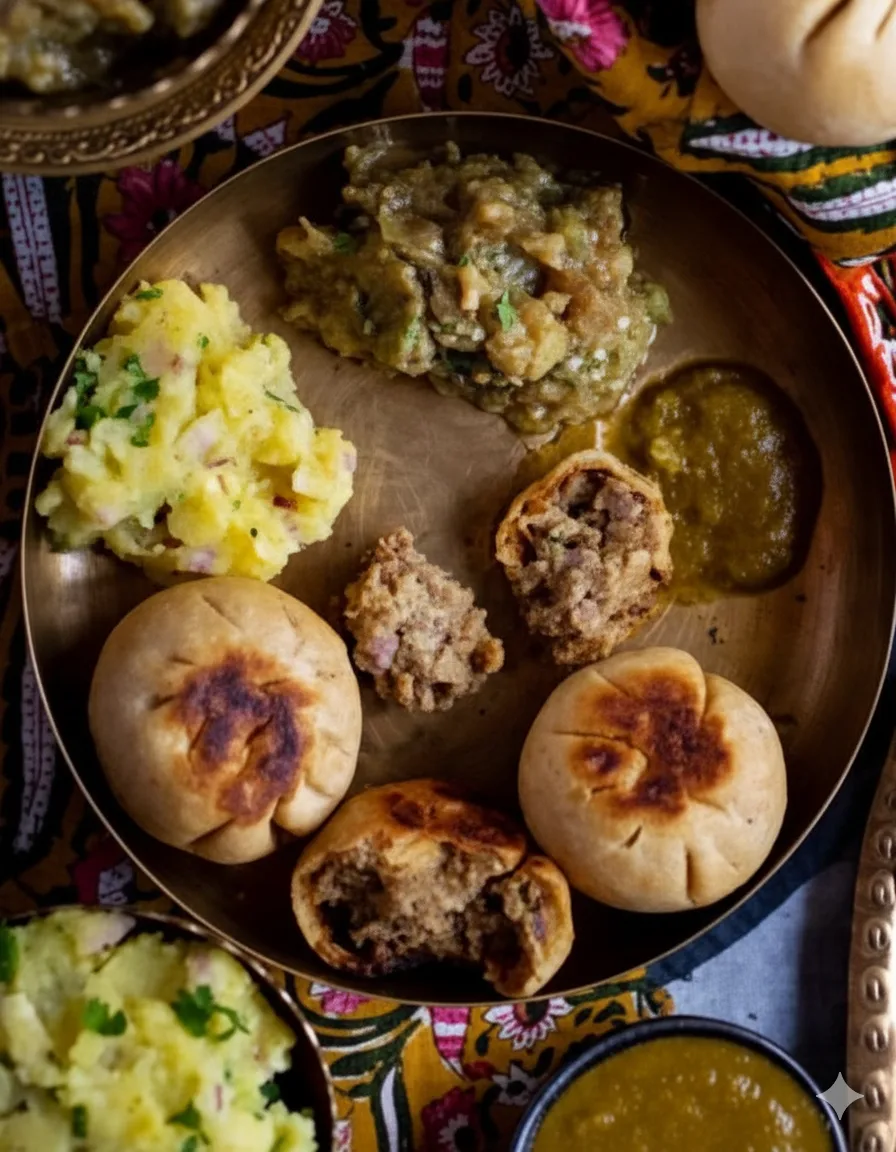
The signature dish of Bihar. Smoky wheat balls stuffed with Sattu, dipped in ghee, and served with spicy mash.
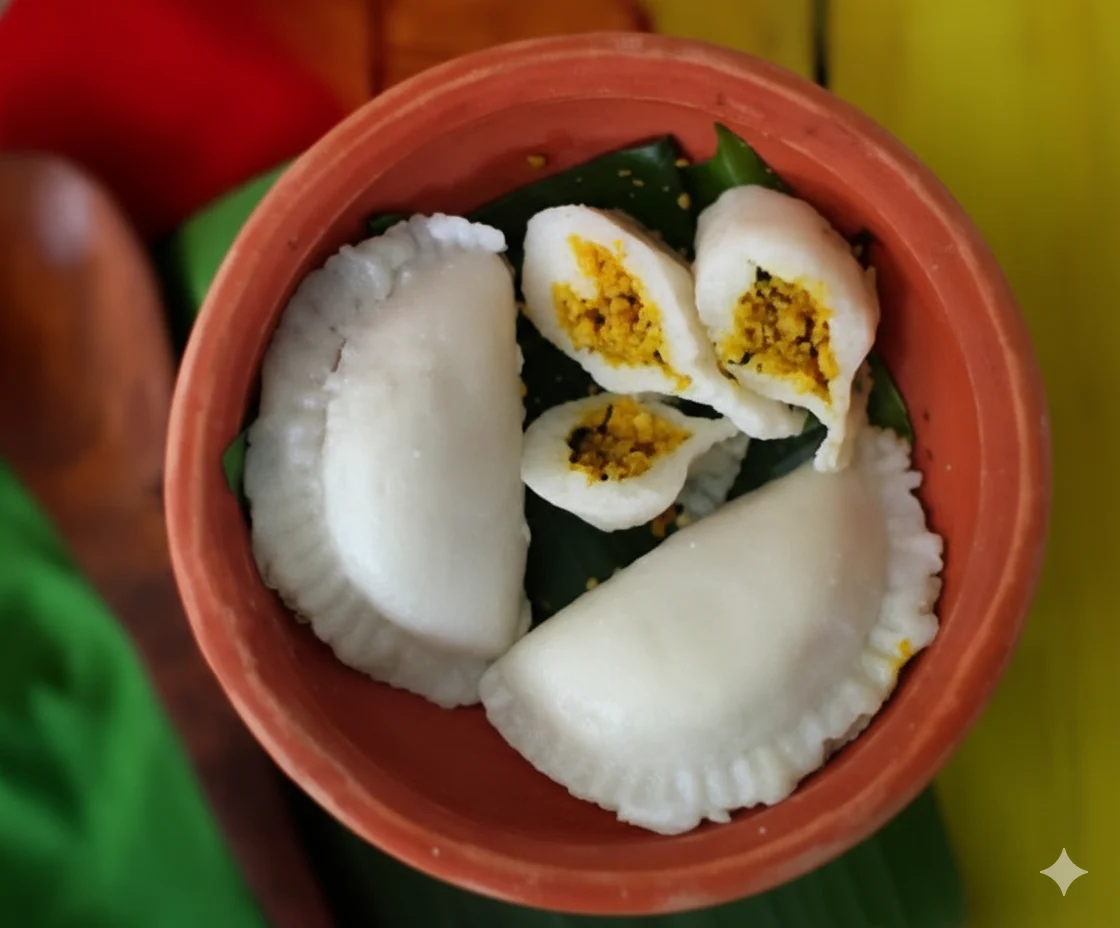
Steamed rice flour dumplings stuffed with spicy lentil paste. A healthy, oil-free local favorite.
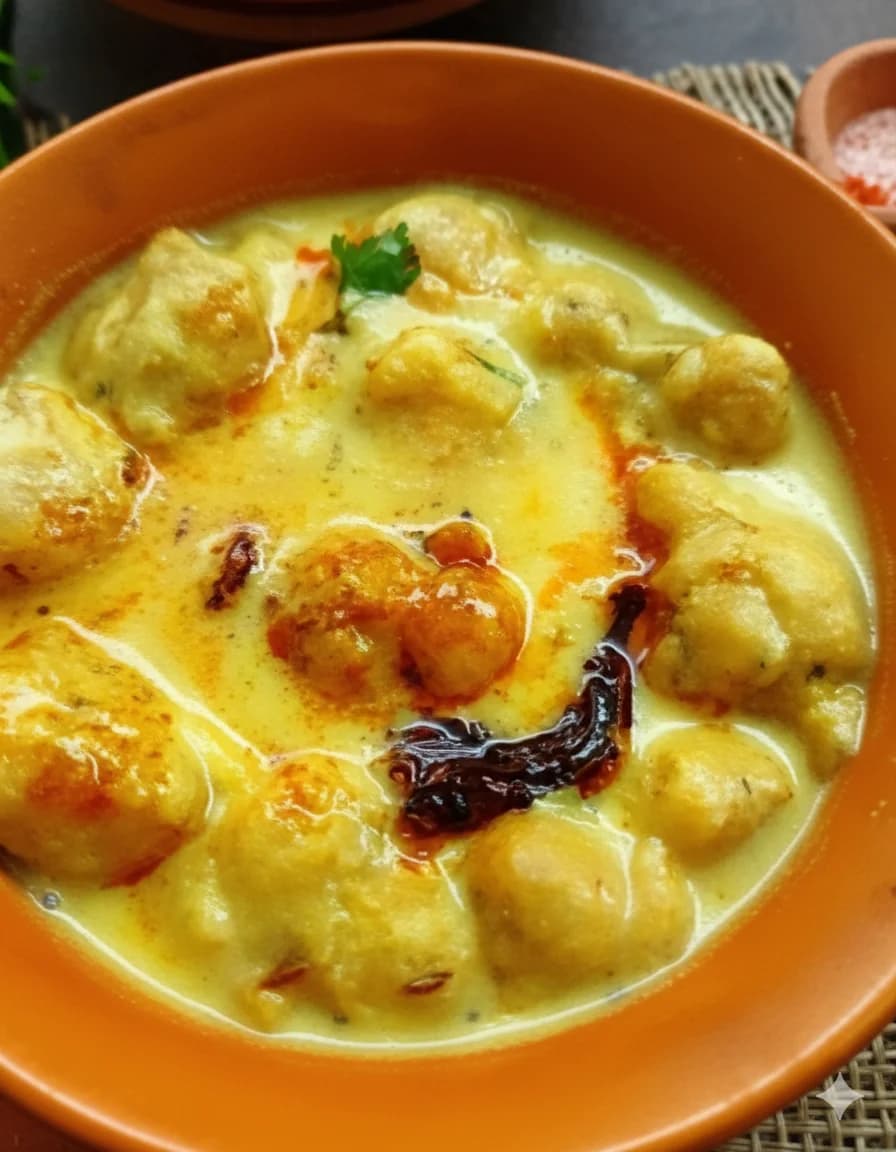
Fried gram flour dumplings in a tangy yogurt gravy. A staple of weddings and feasts in Magadha.
Extend your spiritual journey to nearby pilgrimage sites and holy cities.

The spiritual capital of India. Experience the sacred Ganga Ghats, Kashi Vishwanath Temple, and the mesmerizing Ganga Aarti in the world's oldest living city.

The sacred birthplace of Lord Rama. Experience the newly constructed Ram Mandir, the fortress of Hanuman Garhi, and the serene Saryu Ghats in a city reborn.

The sacred Triveni Sangam where three holy rivers meet. A major pilgrimage site, home to the Kumbh Mela, and the cradle of India's independence movement.