The Kingdom of Dharma
Ayodhya, historically known as Saket, is one of the seven most sacred cities in India (Sapta Puri) and holds a unique place in the collective consciousness of the nation as the birthplace of Lord Rama, the seventh avatar of Vishnu. Situated on the quiet banks of the Saryu River, the city is the setting for the ancient epic Ramayana, which defines the ideals of duty (dharma), honor, and familial devotion. For centuries, Ayodhya has been a city of longing and faith, a place where history and mythology are so tightly manual that they are impossible to separate.
In recent years, Ayodhya has undergone a monumental transformation, centered around the construction and consecration of the grand Ram Janmabhoomi Mandir. This event has revitalized the city, turning it from a sleepy pilgrimage town into a global spiritual destination. Wide corridors, new airports, and renovated ghats now sit alongside ancient ashrams where saints have meditated for millennia. The city pulses with the chant of "Jai Shri Ram," yet it retains pockets of deep serenity, particularly along the riverfront where the evening Aarti is performed with a rhythmic grace distinct from Varanasi.
However, Ayodhya is not just about Lord Rama. It is a mosaic of faiths. It was a significant center for Buddhism (visited by Buddha multiple times) and Jainism (birthplace of five Tirthankaras, including Rishabhdev). It also holds a rich architectural legacy from the Nawabs of Awadh, who made nearby Faizabad their capital, leaving behind exquisite mausoleums and rose gardens. Today's Ayodhya is a city reclaiming its ancient glory while embracing modernity, inviting pilgrims to witness the restoration of a civilizational legacy.
The holy banks of the Saryu River, witnessing history from the Treta Yuga to today.
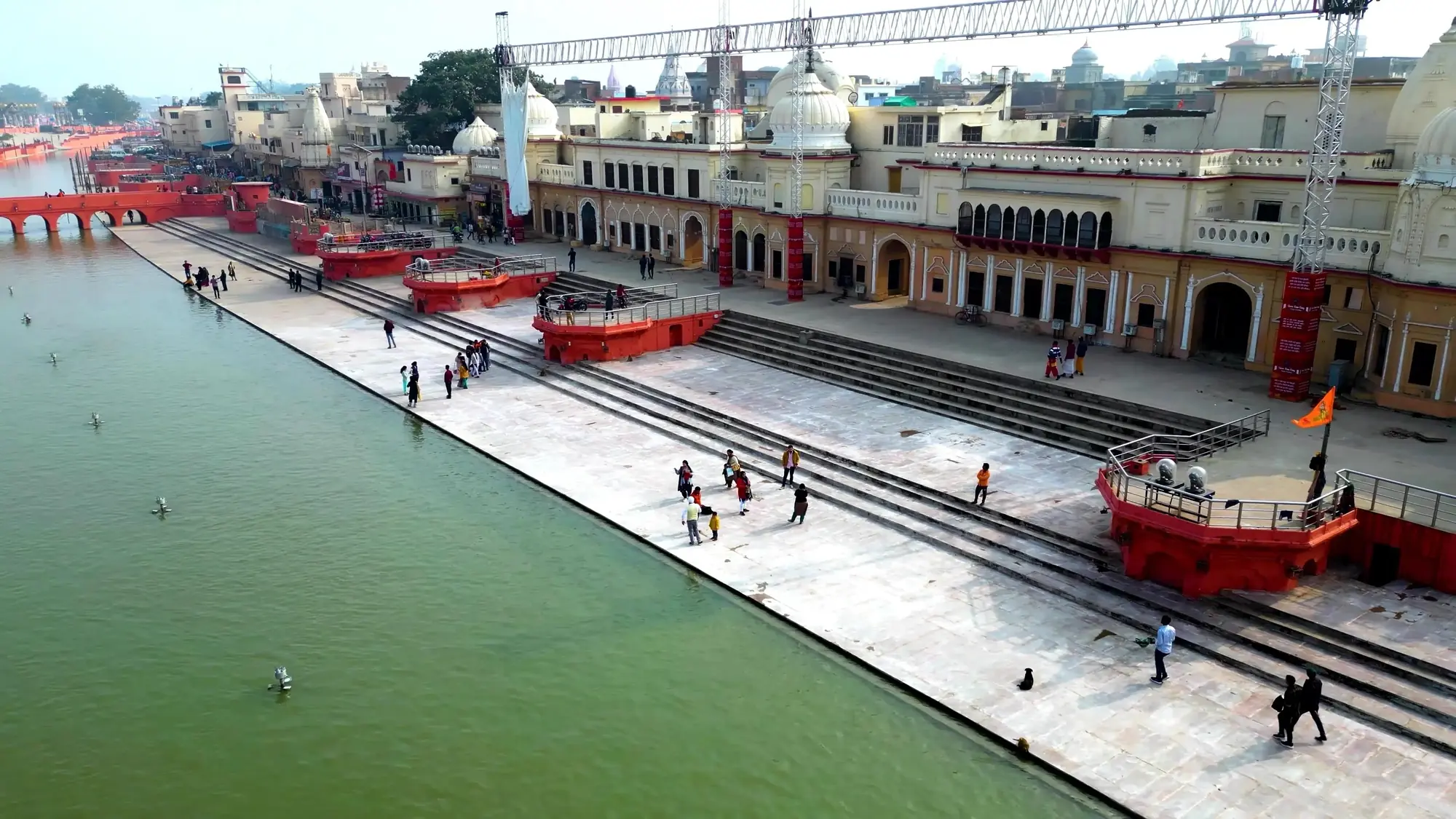
A series of ghats on the riverfront, famous for its spectacular renovation and the Guinness World Record-breaking Deepotsav festivals.
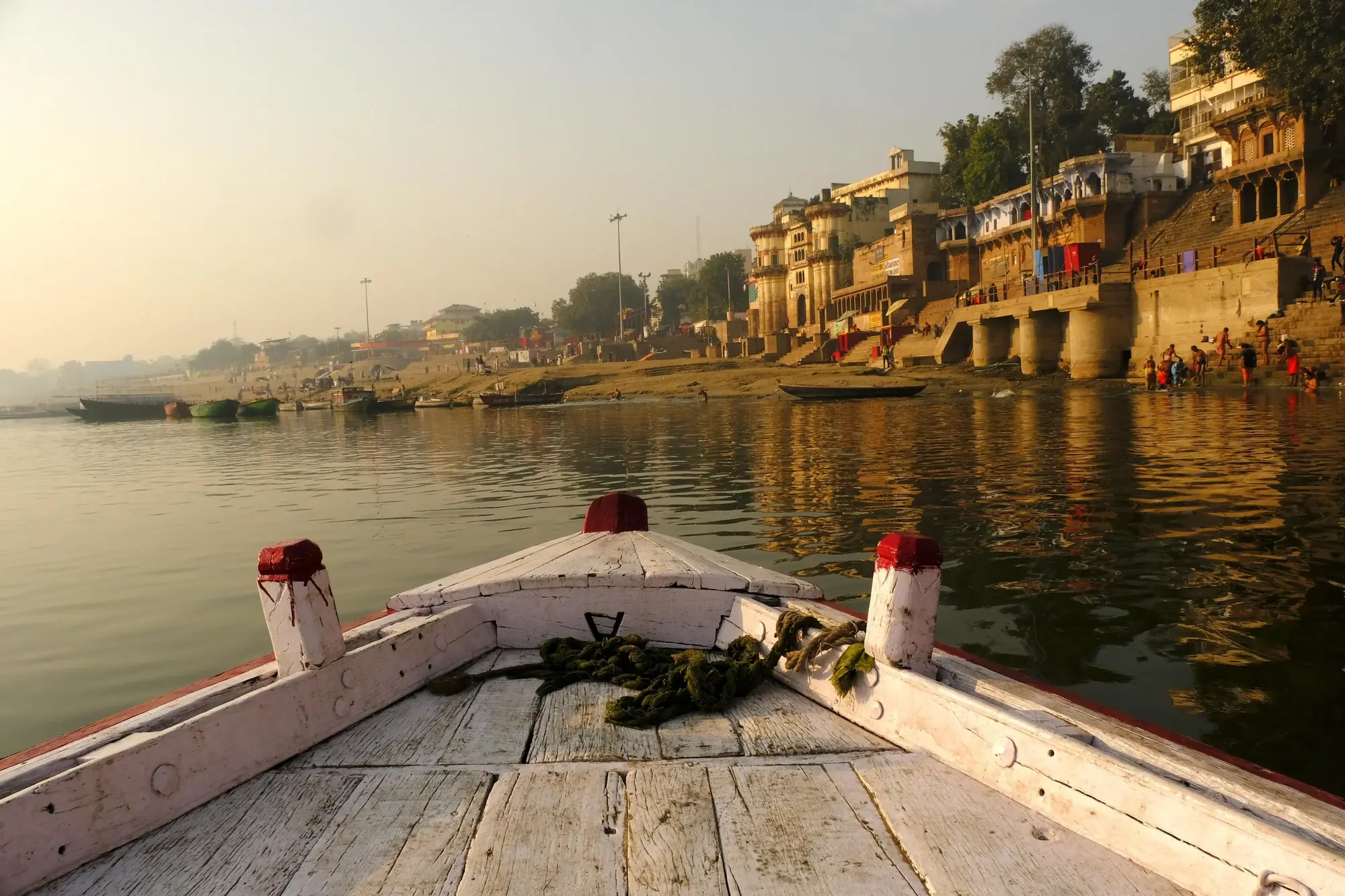
The sacred site where Lord Rama is believed to have taken 'Jal Samadhi' (left his physical body) to return to his celestial abode, Vaikuntha.
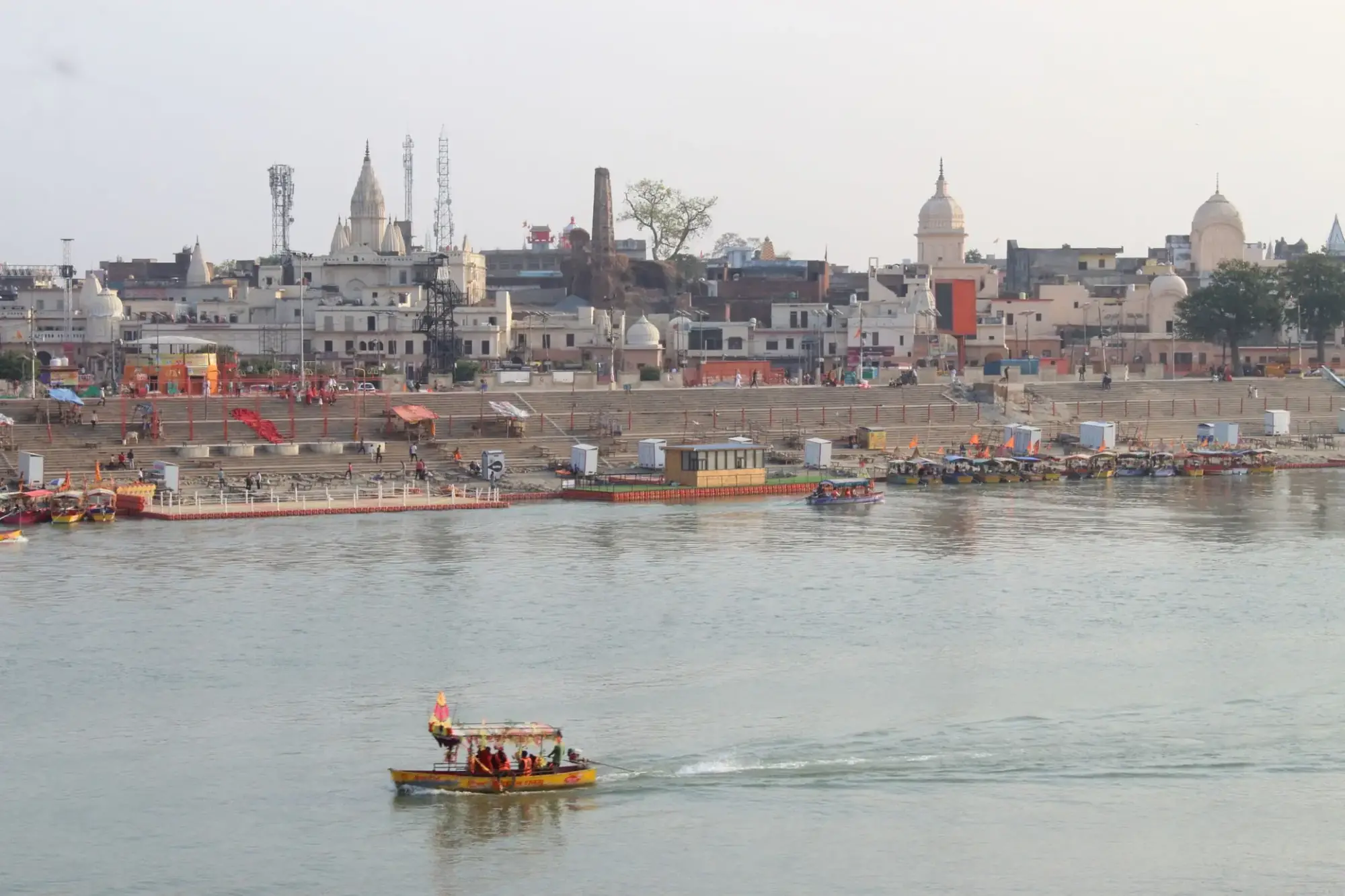
The bustling entry point to the Saryu riverfront, featuring beautiful parks and the statue of Lord Rama. A hub for boat rides and evening leisure.
From the grand new Ram Mandir to ancient fortresses of faith.

The magnificent new temple marking the birthplace of Lord Rama. A masterpiece of Nagara architecture carved from pink sandstone.
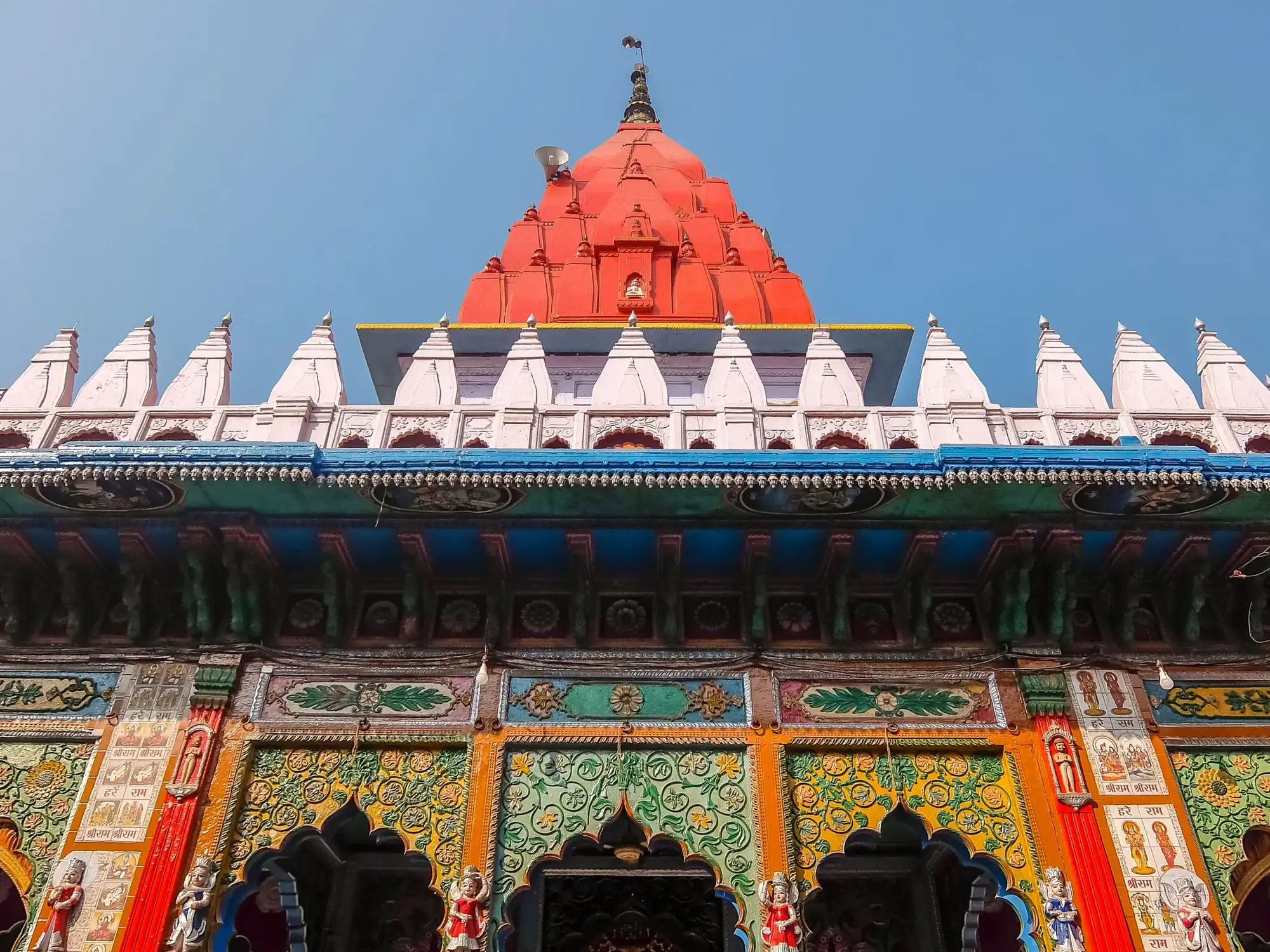
A 10th-century temple fortress dedicated to Lord Hanuman. Custom dictates visiting here before the Ram Mandir to ask the Guardian's permission.
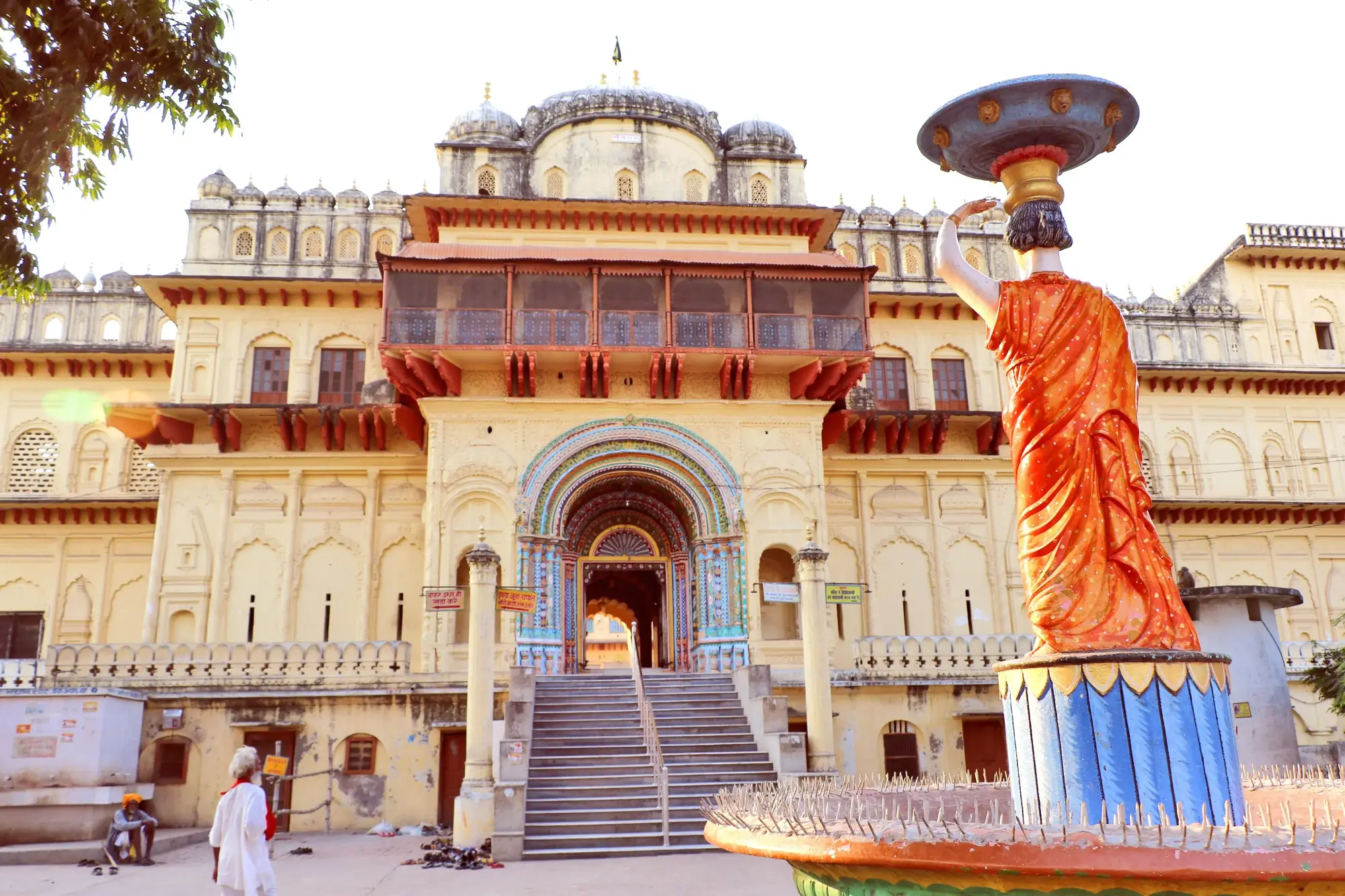
The 'Palace of Gold,' gifted to Sita by Kaikeyi. Famous for itsBundelkhandi architecture and the beautiful idols of Rama and Sita.
Discover the Nawabi legacy and archaeological treasures of the region.
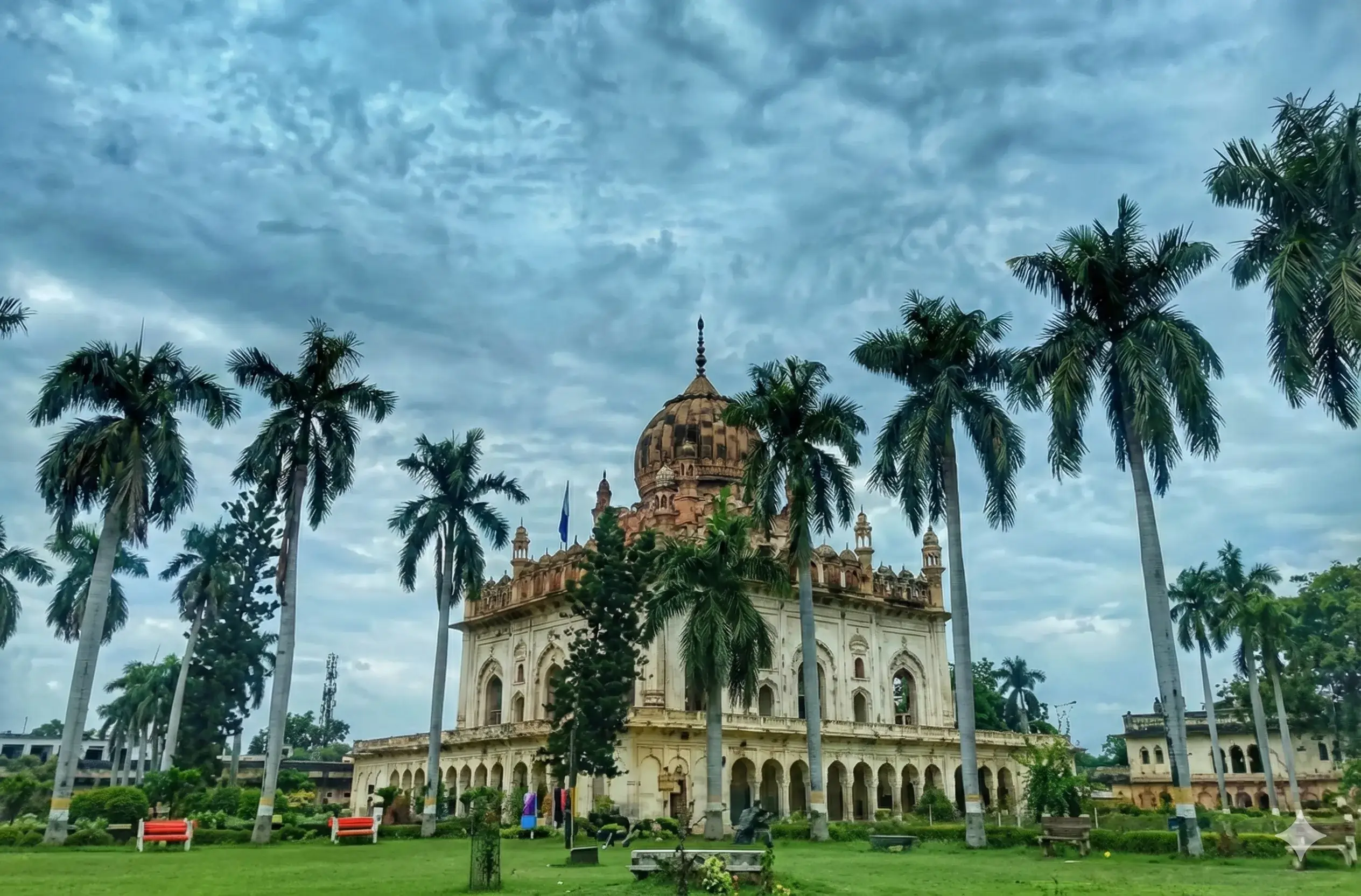
The 'Taj Mahal of the East.' A stunning 18th-century mausoleum built for the Queen of Awadh, featuring distinctive Awadhi architecture.
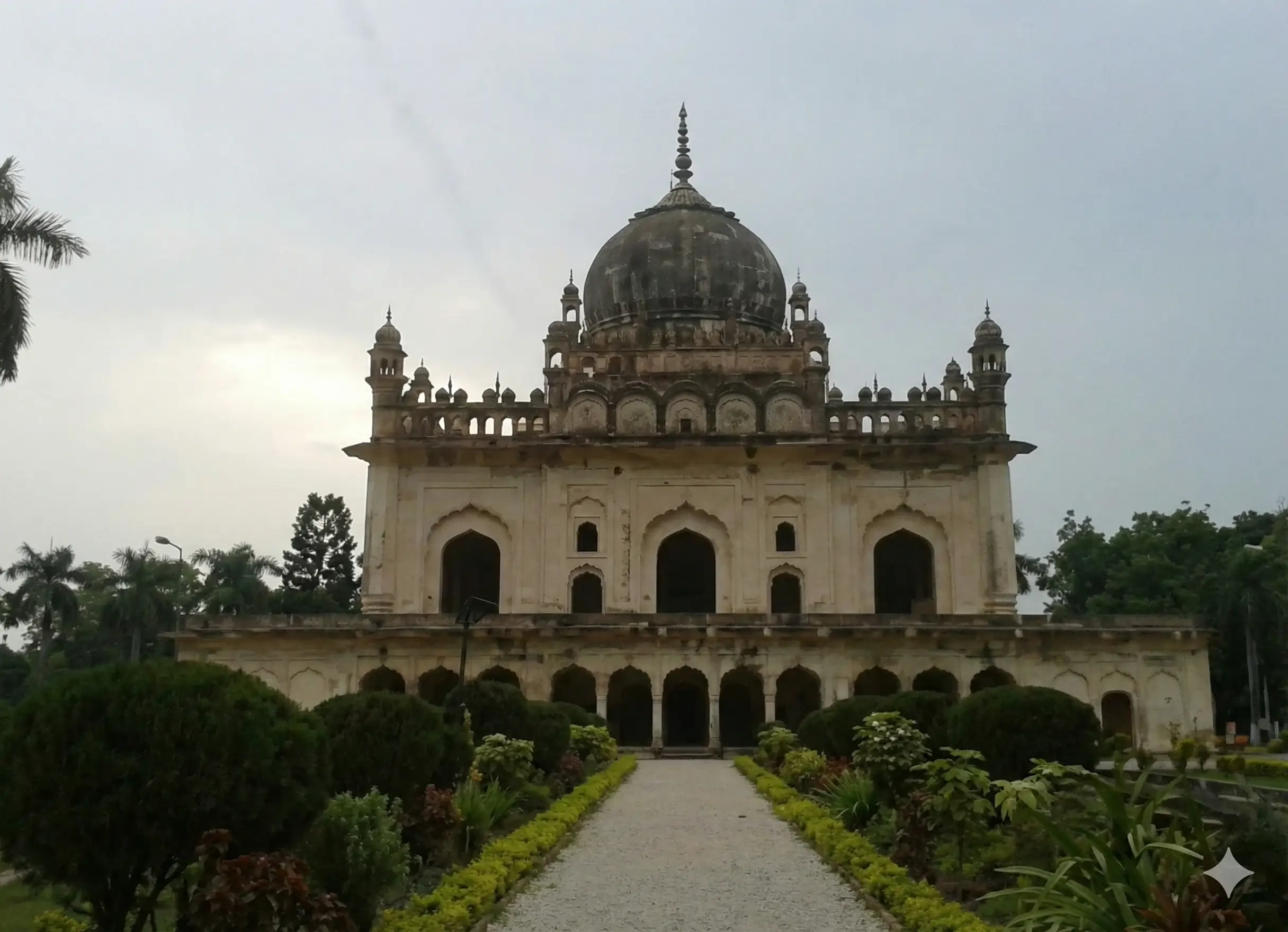
The 'Pearl Palace' of the Nawabs in Faizabad. Known for its elegant acoustics and association with Begum Akhtar.
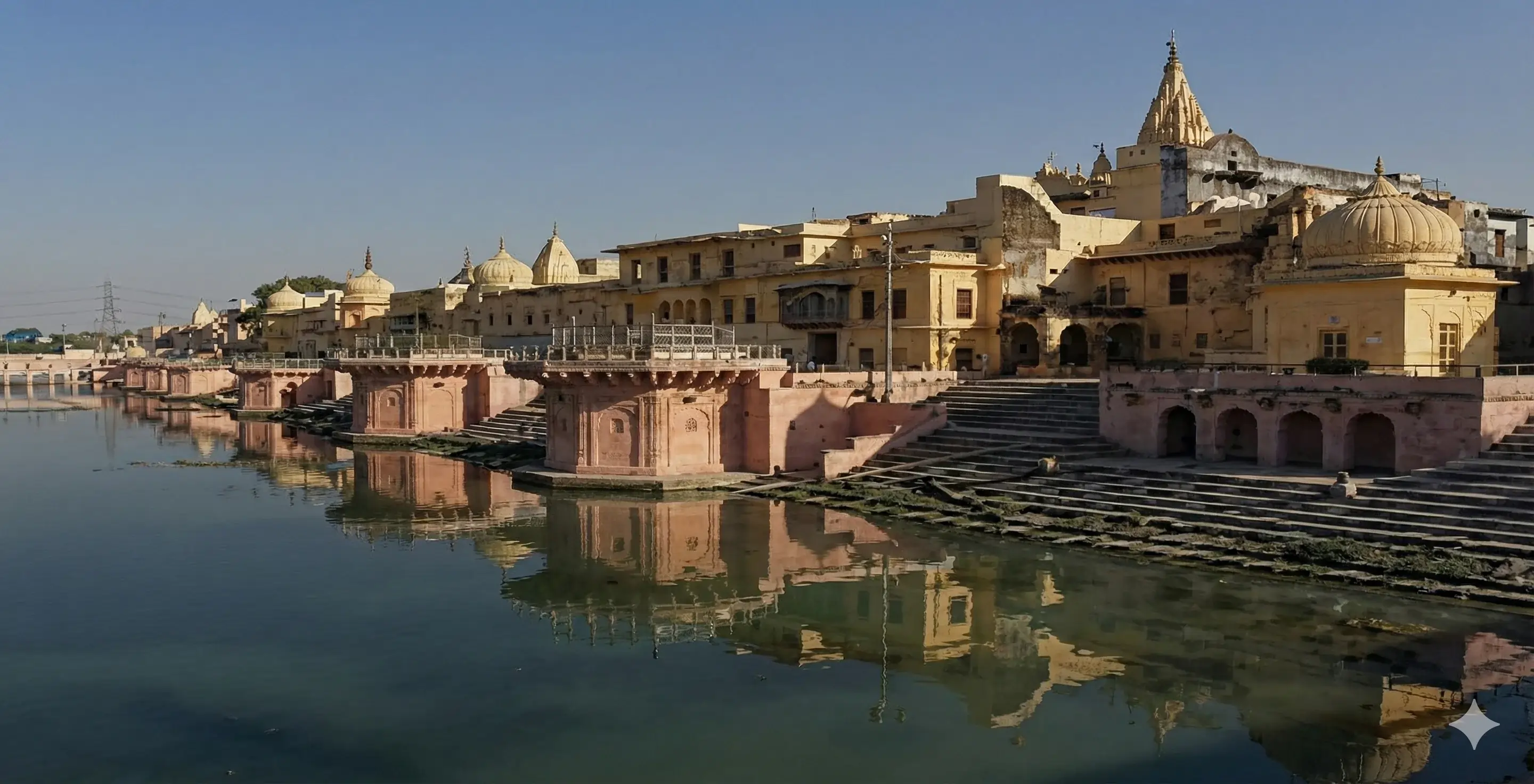
A sacred hillock standing 65 feet high. Legend says it is a fragment of the Sanjeevani mountain dropped by Hanuman.
The land of Thumri, Tappa, and devotional Sangeet.
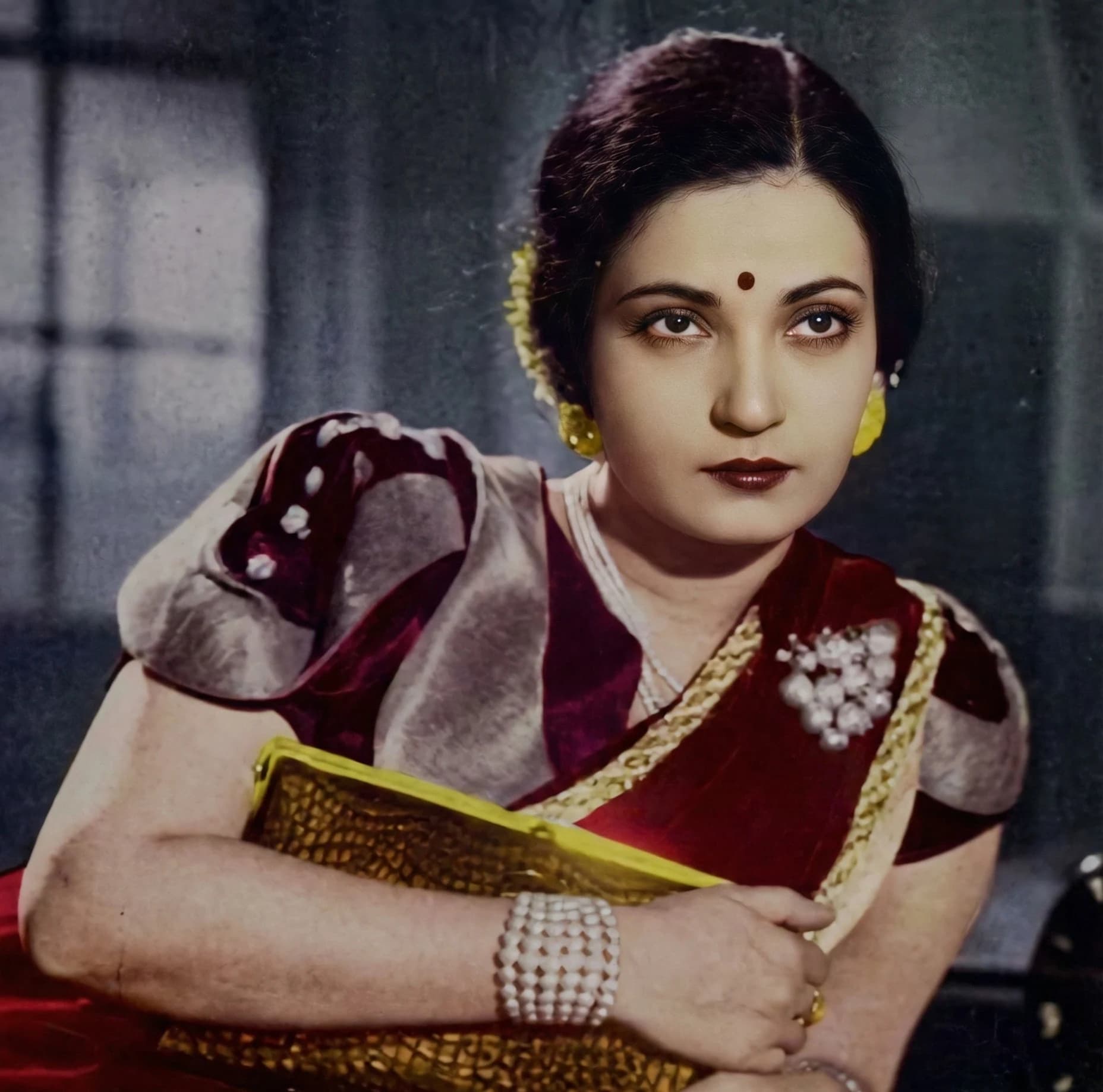
The 'Mallika-e-Ghazal' (Queen of Ghazal). Born in Faizabad, her voice defined the pain and beauty of Awadhi music culture.
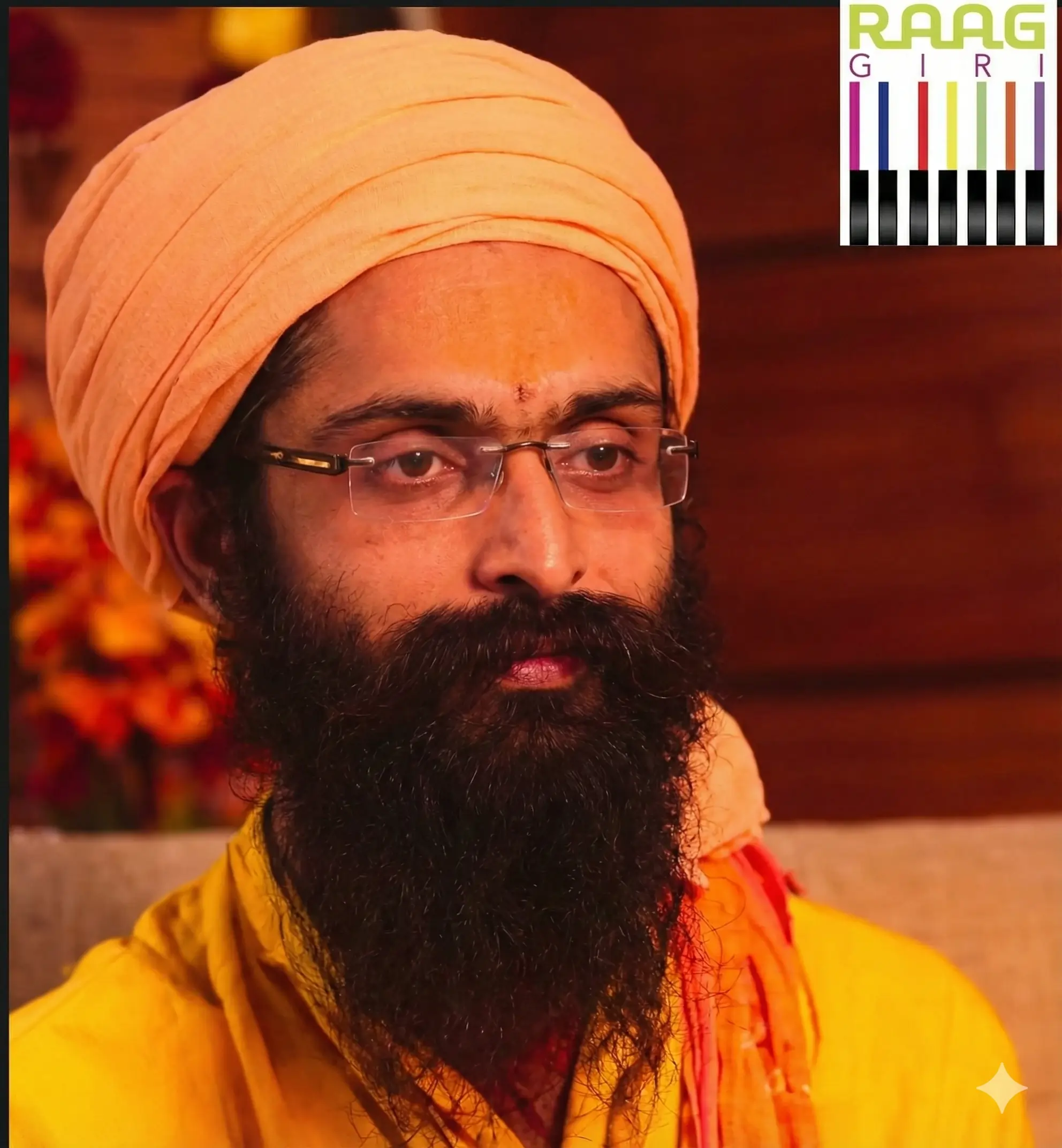
A legendary figure in the devotional music tradition of Ayodhya, who sang the Ramcharitmanas as a musical offering.
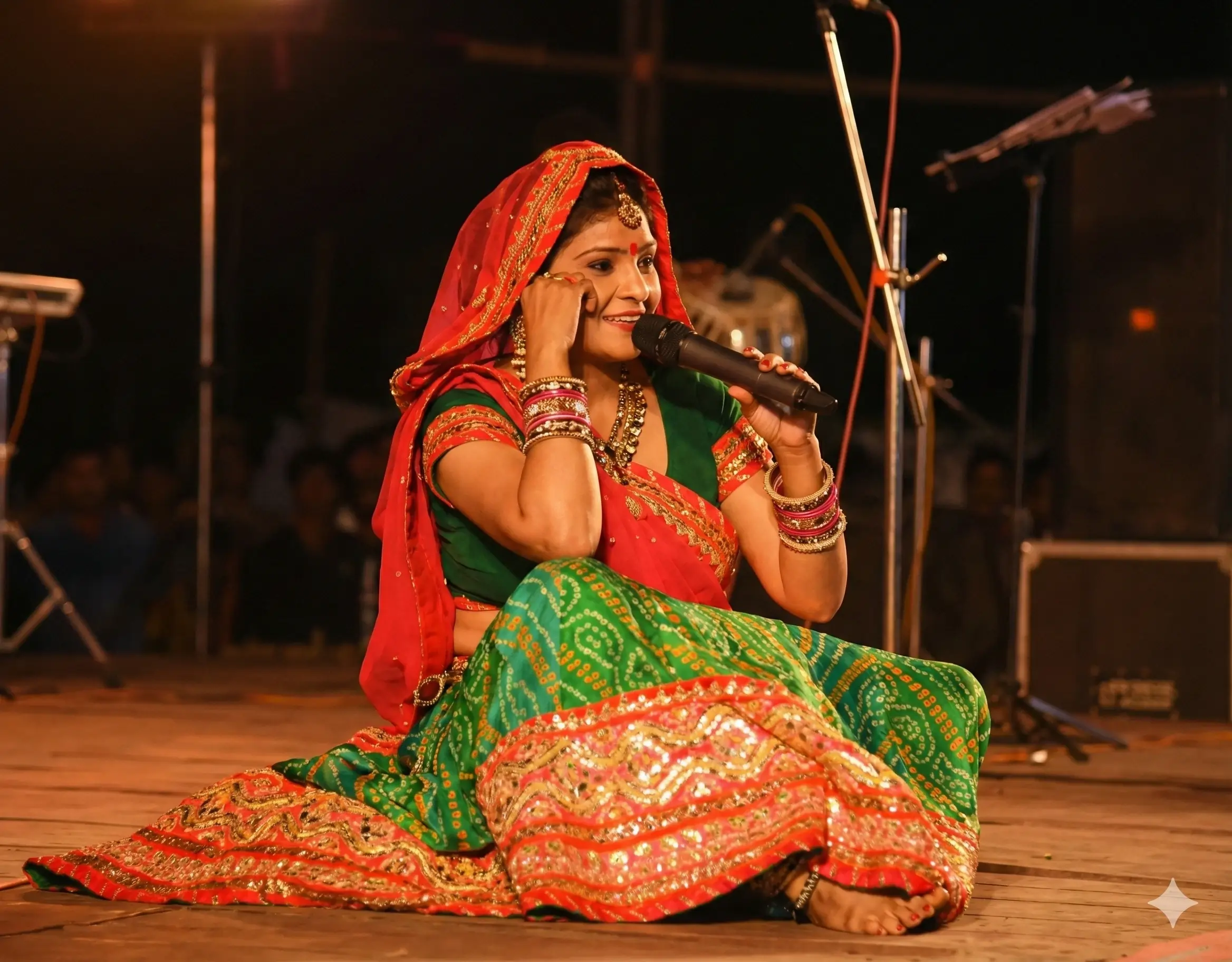
A Padma Shri awardee and celebrated folk singer who has championed the preservation of Awadhi folk songs like Kajri and Sohar.
Sacred souvenirs and woodcrafts from the city of temples.

Traditional wooden sandals worn by saints. Ayodhya is a major production center for these eco-friendly, acupressure-inducing footwear.
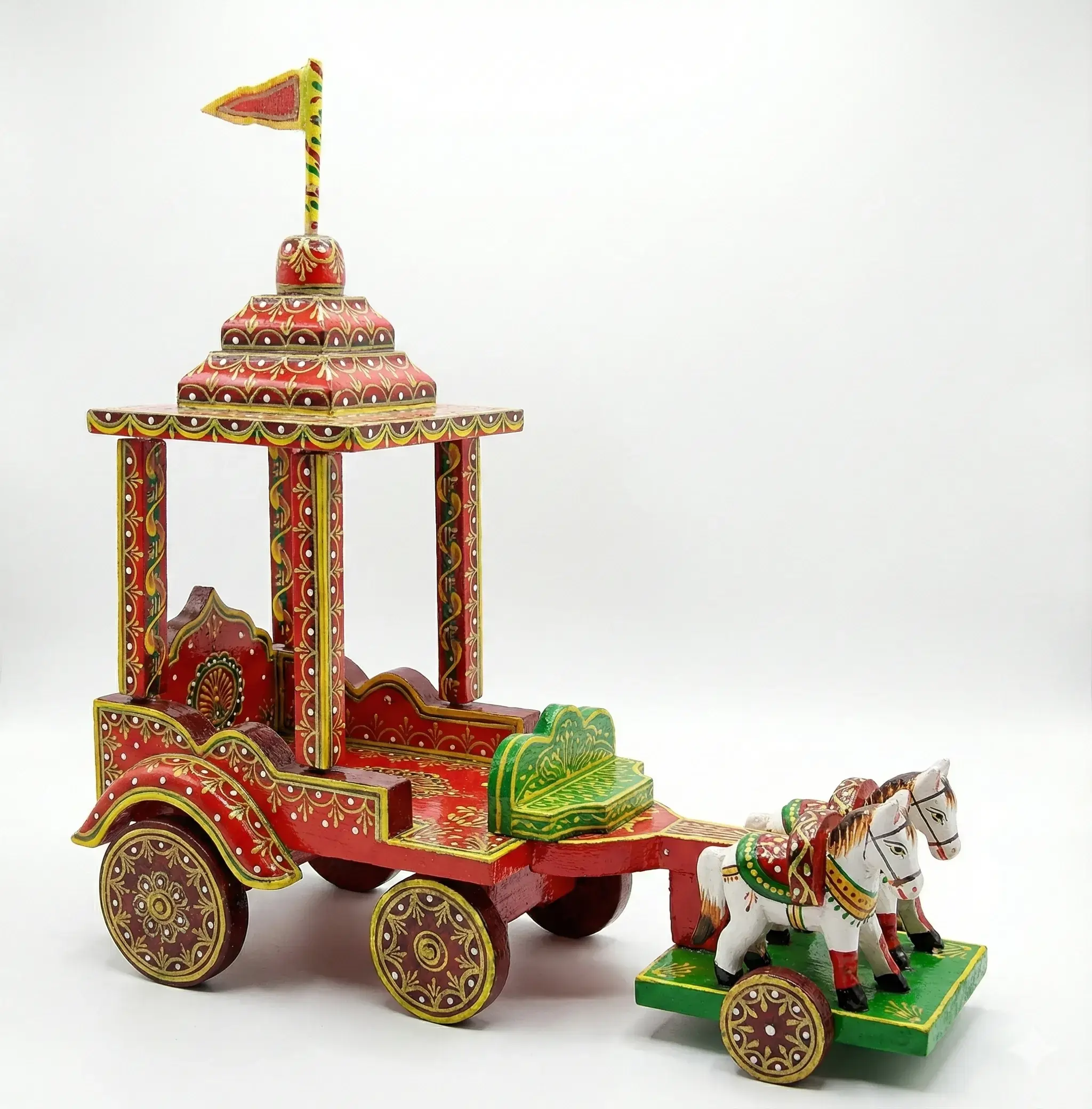
Intricate miniature replicas of chariots (Raths), symbolic of the warrior heritage of the Ramayana, carved by local carpenters.
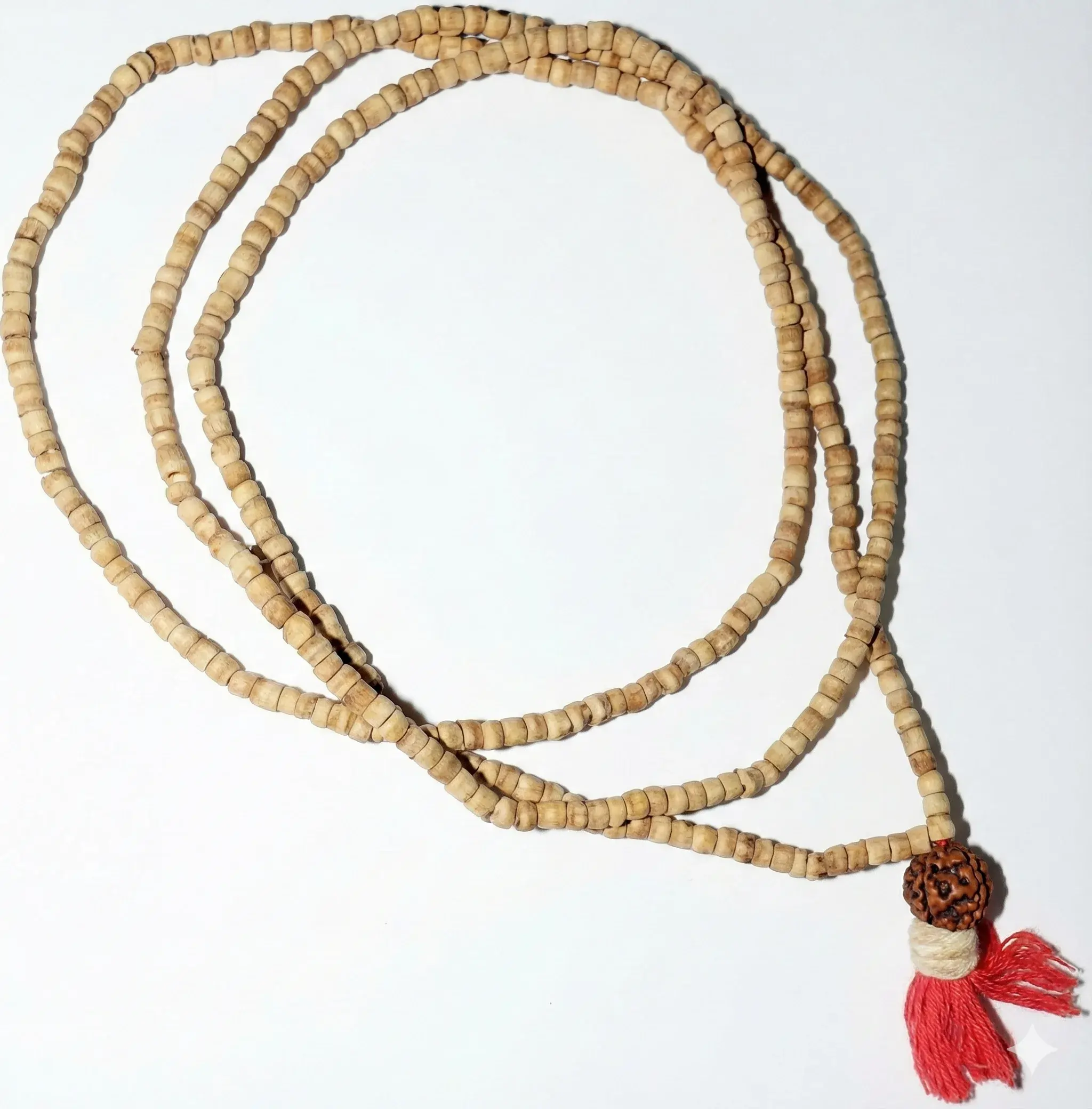
Prayer beads made from the wood of the Holy Basil plant. Ayodhya produces high-quality Kanthi (necklaces) and Japa Malas (rosaries).
Sattvic flavors, temple sweets, and rustic staples.
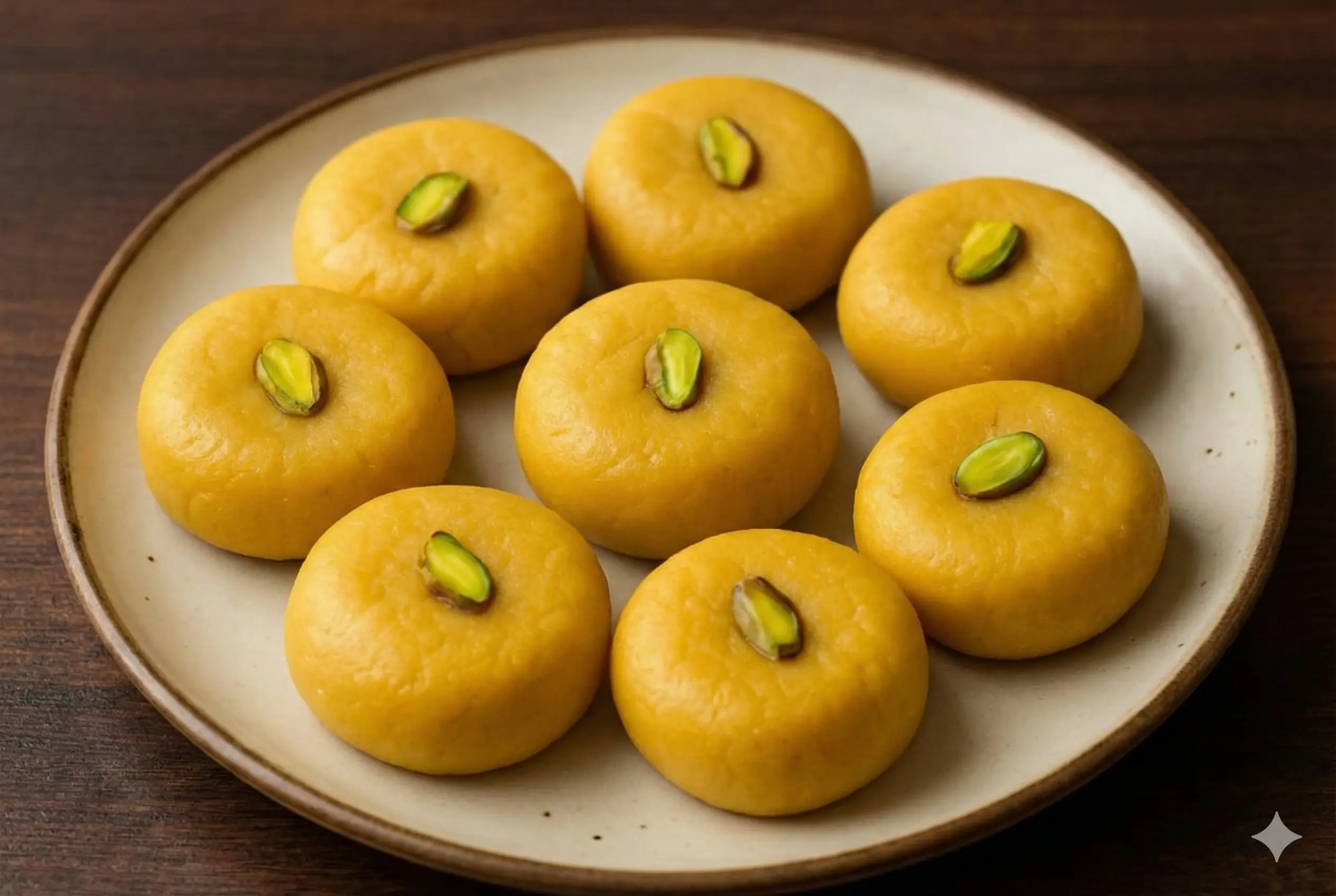
A semi-soft, caramelized milk fudge. Distinct from the Mathura variety, it is browner, grainier, and less sweet.

Bright orange Besan Laddoos offered exclusively at the Hanuman Garhi temple. They have a distinct roasted aroma and are seeking a GI tag.
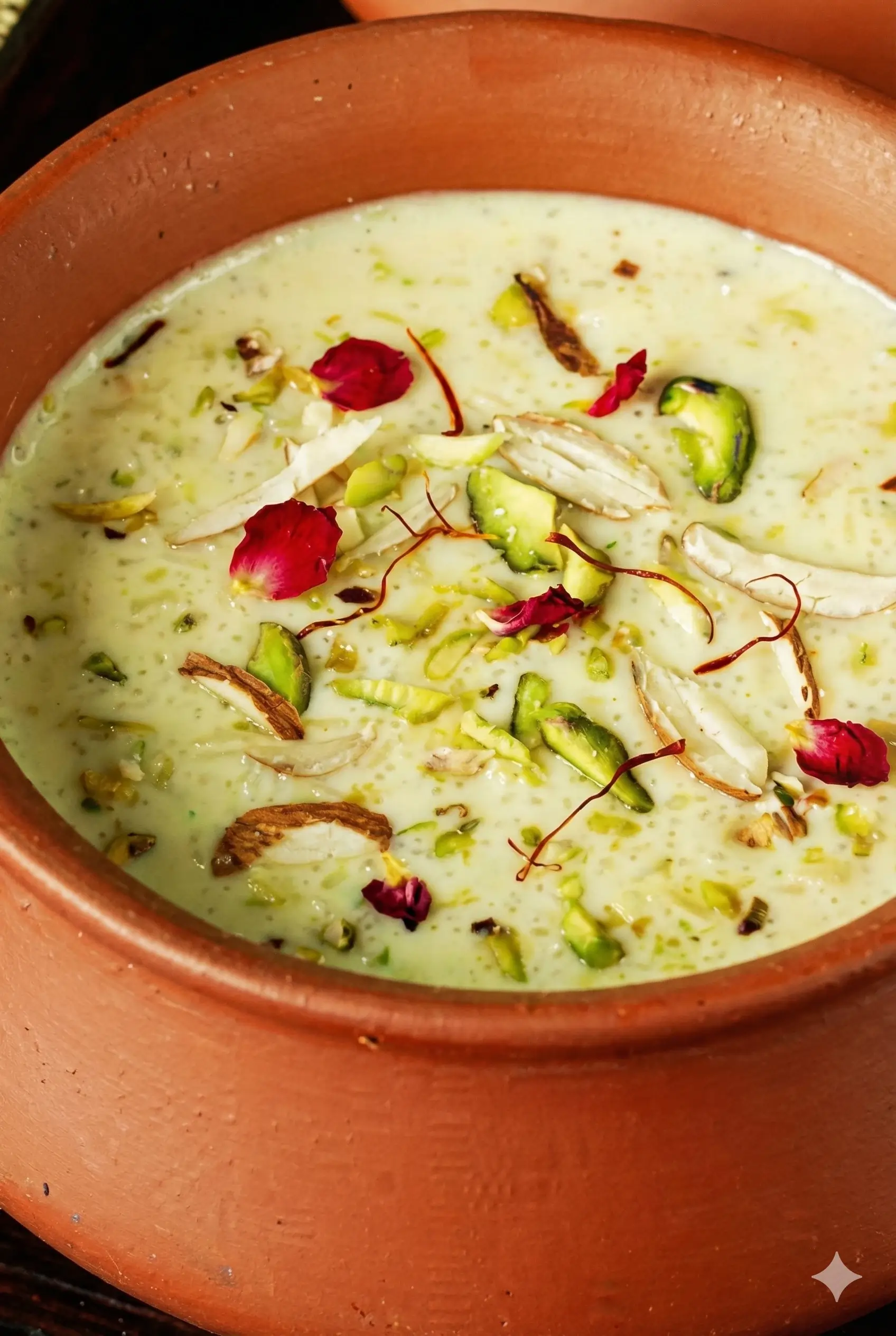
Layers of cream (malai) skimmed off boiling milk, sweetened and flavored with cardamom. A rich, heavy dessert often eaten with Jalebi.
Extend your spiritual journey to nearby pilgrimage sites and holy cities.

The spiritual capital of India. Experience the sacred Ganga Ghats, Kashi Vishwanath Temple, and the mesmerizing Ganga Aarti in the world's oldest living city.

The sacred Triveni Sangam where three holy rivers meet. A major pilgrimage site, home to the Kumbh Mela, and the cradle of India's independence movement.

The land of salvation and enlightenment. Walk where the Buddha found Nirvana and perform sacred rites for ancestors on the banks of the Falgu.