The Eternal City of Light
Varanasi, historically known as Kashi (The City of Light) and Benaras, stands as one of the oldest continuously inhabited cities in human history. Mark Twain once wrote, "Benaras is older than history, older than tradition, older even than legend, and looks twice as old as all of them put together." Situated on the crescent-shaped banks of the sacred River Ganges, it is the spiritual heartbeat of India, a place where the physical and metaphysical worlds converge. For Hindus, it is the holiest of the seven sacred cities (Sapta Puri), believed to be balanced on the trident of Lord Shiva. It is said that anyone who dies here is granted 'Moksha'—liberation from the eternal cycle of birth and rebirth—making it a profound destination where life and death are celebrated with equal reverence.
The city is a sensory overload in the most spiritual sense. The air is thick with the aroma of sandalwood incense and marigolds, the skyline is pierced by the spires of over 2,000 temples, and the riverfront is lined with 84 ghats, each telling a story of kings, gods, and commoners. From the rhythmic chanting of Vedic mantras at dawn to the spectacular Ganga Aarti at dusk, Varanasi offers a window into ancient traditions that have remained virtually unchanged for millennia. The narrow, labyrinthine alleys (galis) of the old city are a world unto themselves, bustling with wandering cows, sadhus (holy men) in saffron robes, silk weavers, and sweet shops, creating a chaotic yet captivating tapestry of Indian culture.
Beyond its religious significance, Varanasi has been a supreme center of learning, music, and art for centuries. It is the birthplace of the Benaras Gharana of music and dance, having nurtured legends like Ustad Bismillah Khan and Pandit Ravi Shankar. The city is also famed for its craftsmanship, particularly the luxurious Banarasi silk saris, which are wedding staples across India. A trip to Varanasi is not merely a vacation; it is an intense, transformative journey that challenges your perceptions of existence, offering a raw, unfiltered glimpse into the soul of India.
The riverfront steps where life, death, and devotion flow eternally along the Ganges.
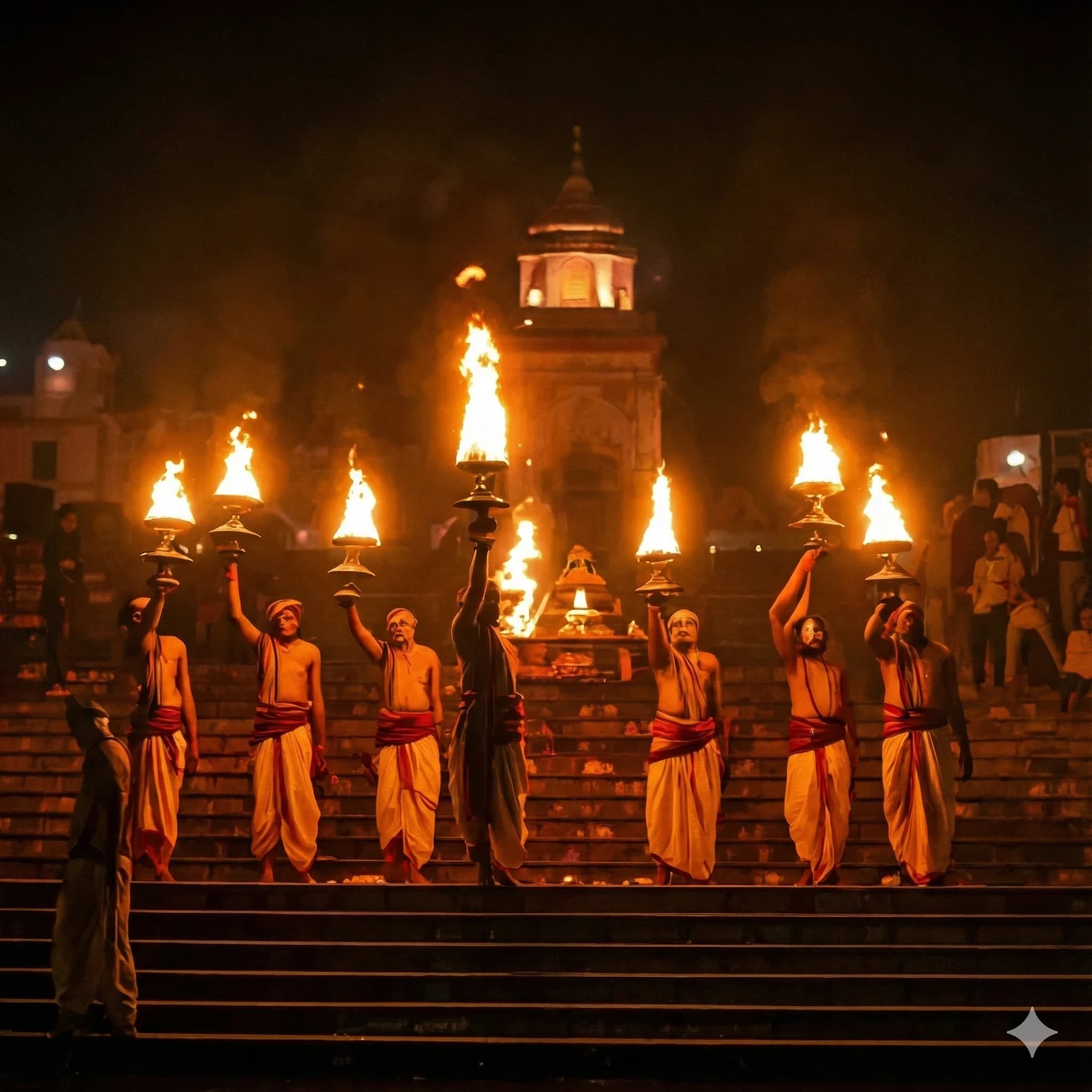
The most spectacular and bustling ghat in Varanasi, famous for the Agni Pooja (Ganga Aarti). Legend says Lord Brahma sacrificed ten horses here, making it a site of supreme cosmic power and vibrant daily devotion.
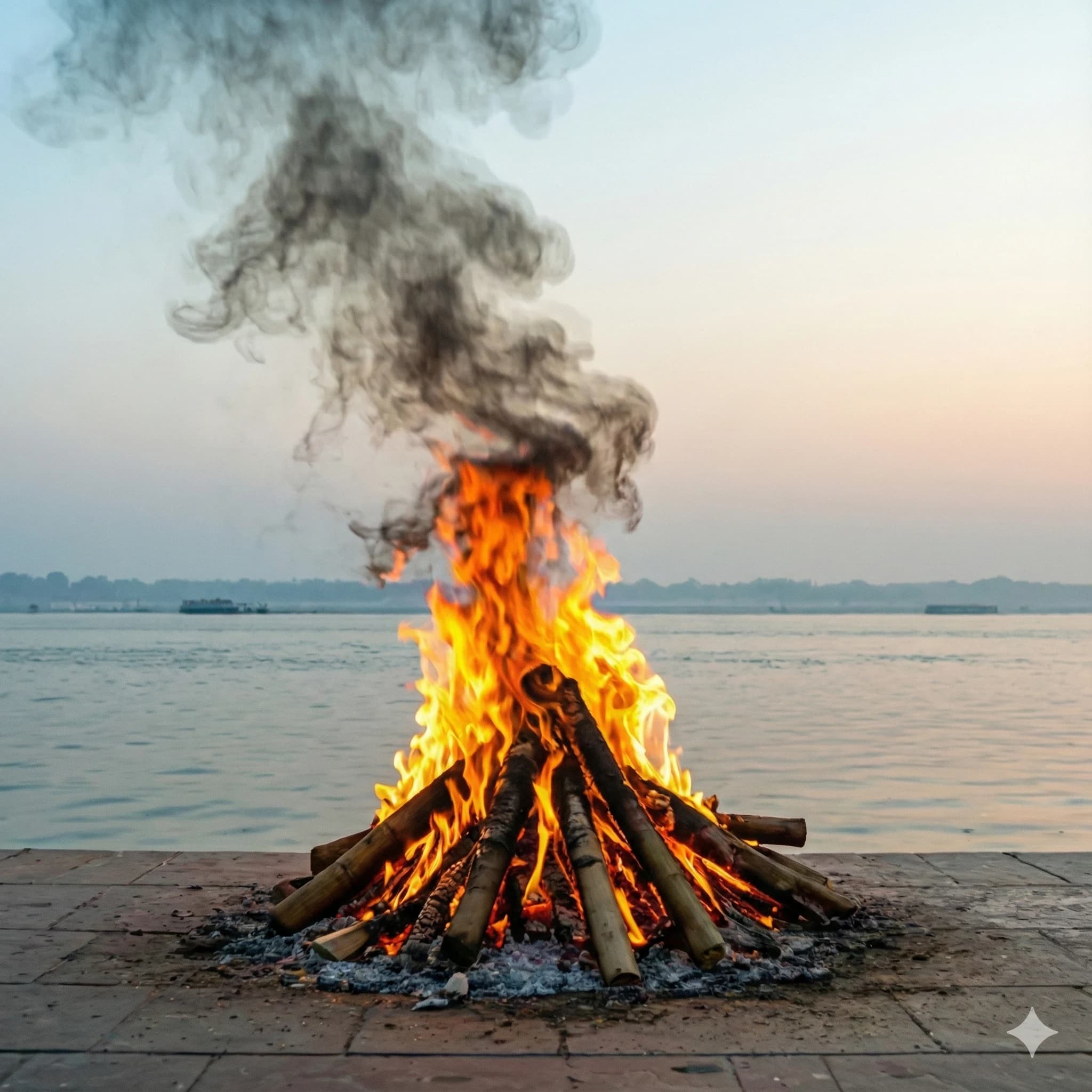
The Mahashmashana or 'Great Cremation Ground.' It is believed that the fires here have never gone out for centuries. Hindus believe cremation here grants immediate liberation (Moksha) from the cycle of rebirth.
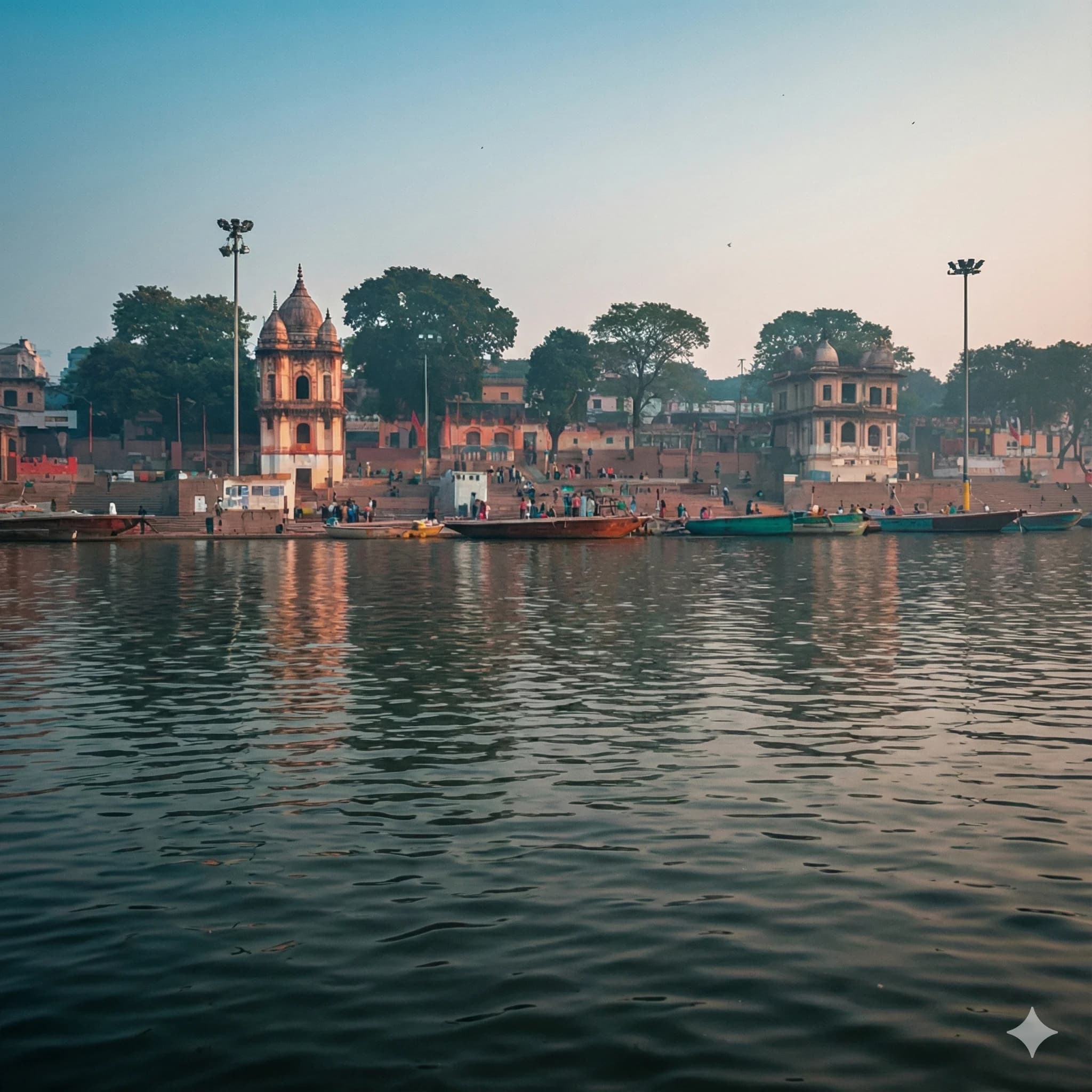
The southernmost ghat where the river Assi meets the Ganges. Famous for its 'Subah-e-Banaras' morning program, yoga sessions, long-term student residents, and a more tranquil, bohemian atmosphere.
Sanctuaries of faith where history, architecture, and divinity converge.
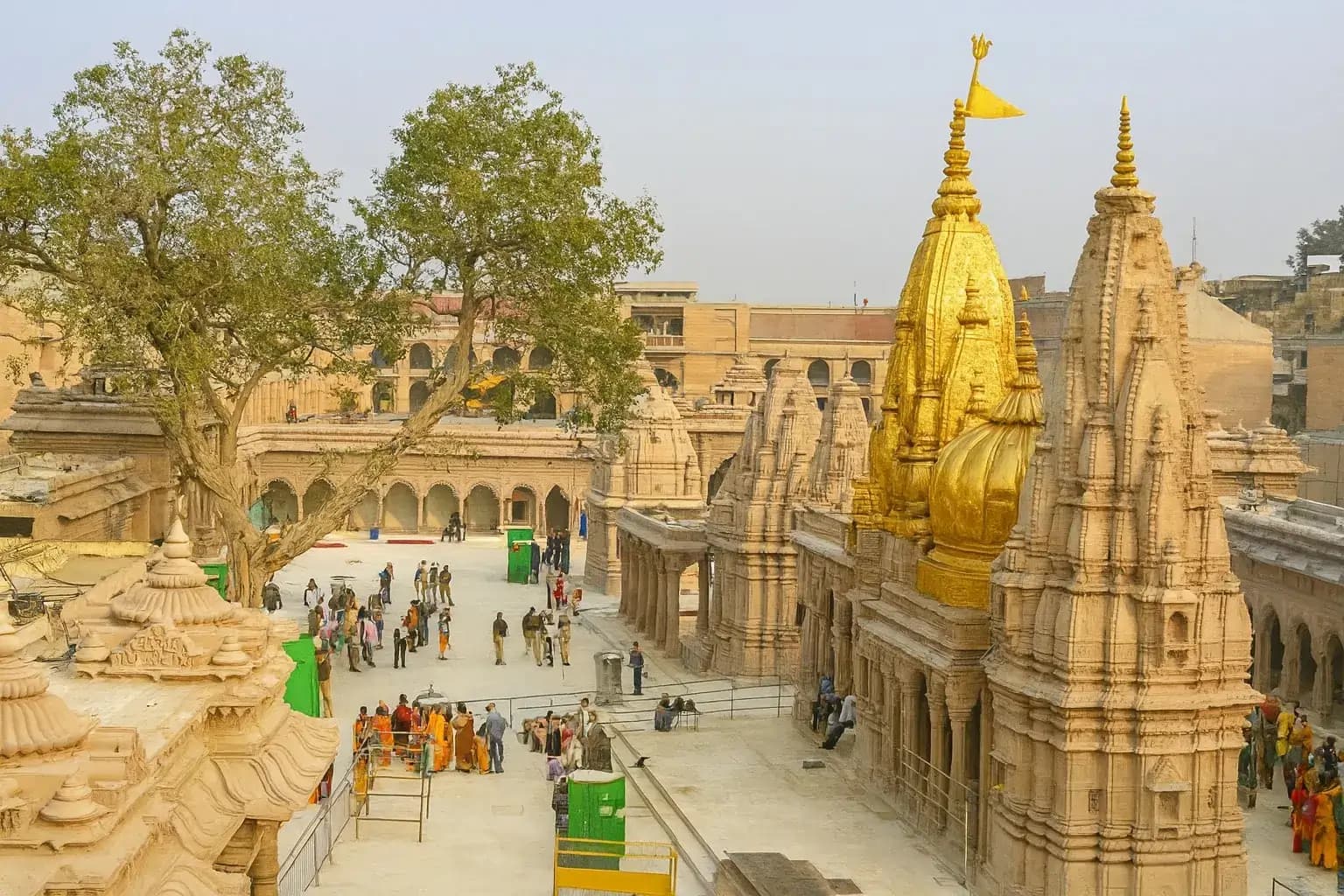
The 'Golden Temple' dedicated to Lord Shiva, one of the 12 Jyotirlingas. It is the spiritual axis of Varanasi, rebuilt by Rani Ahilyabai Holkar and plated with gold by Maharaja Ranjit Singh.
.webp&w=3840&q=75)
An 18th-century Nagara-style temple painted in vibrant red ochre. Famous for its adjacent rectangular tank (Kund) and the mischievous monkey population.
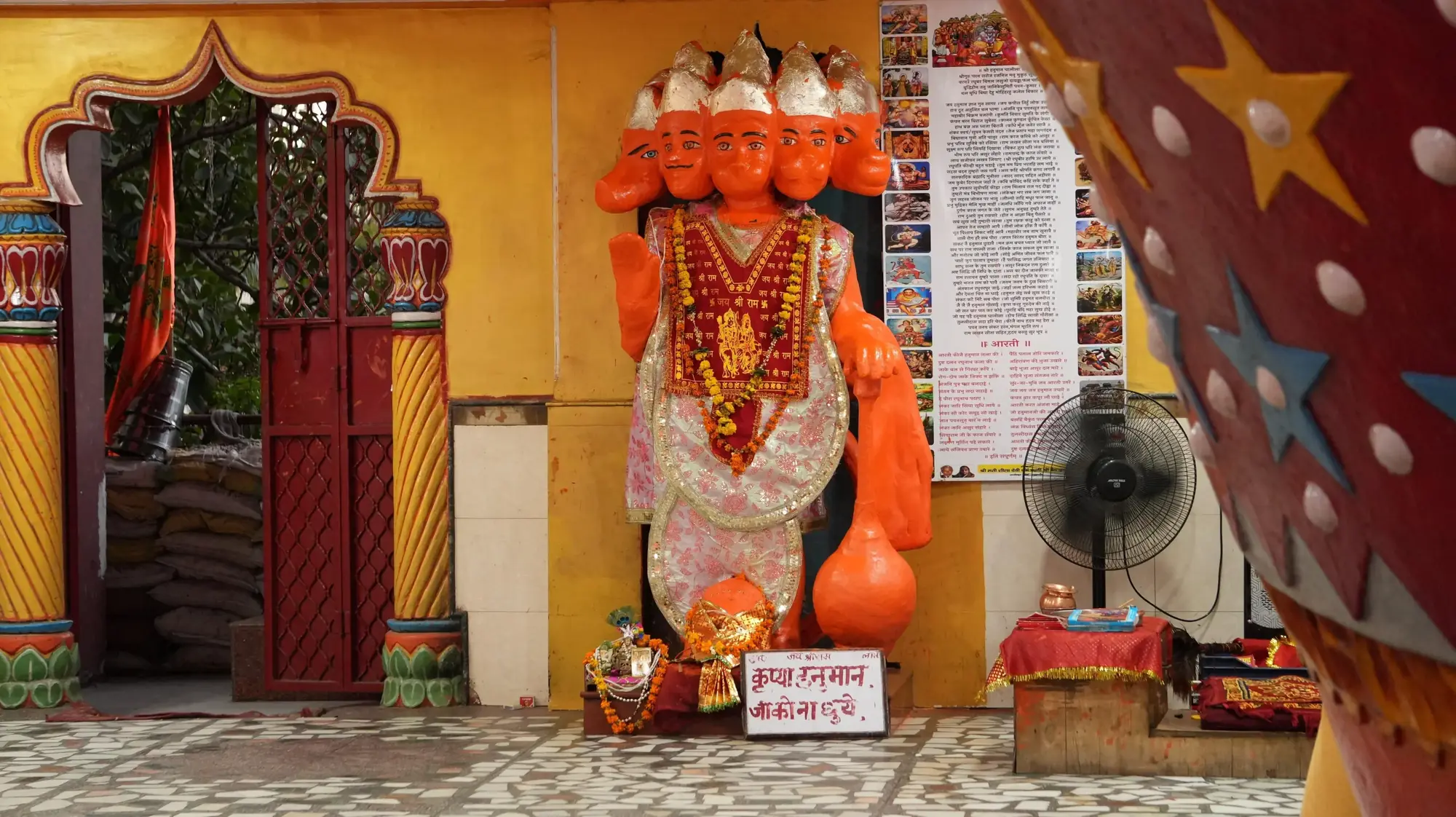
Founded by Tulsidas, this temple is dedicated to Lord Hanuman, the 'Reliever of Troubles.' It is a cultural hub known for its peaceful forest setting and annual music festival.
Beyond the temples, explore the forts, stupas, and royal history of the region.
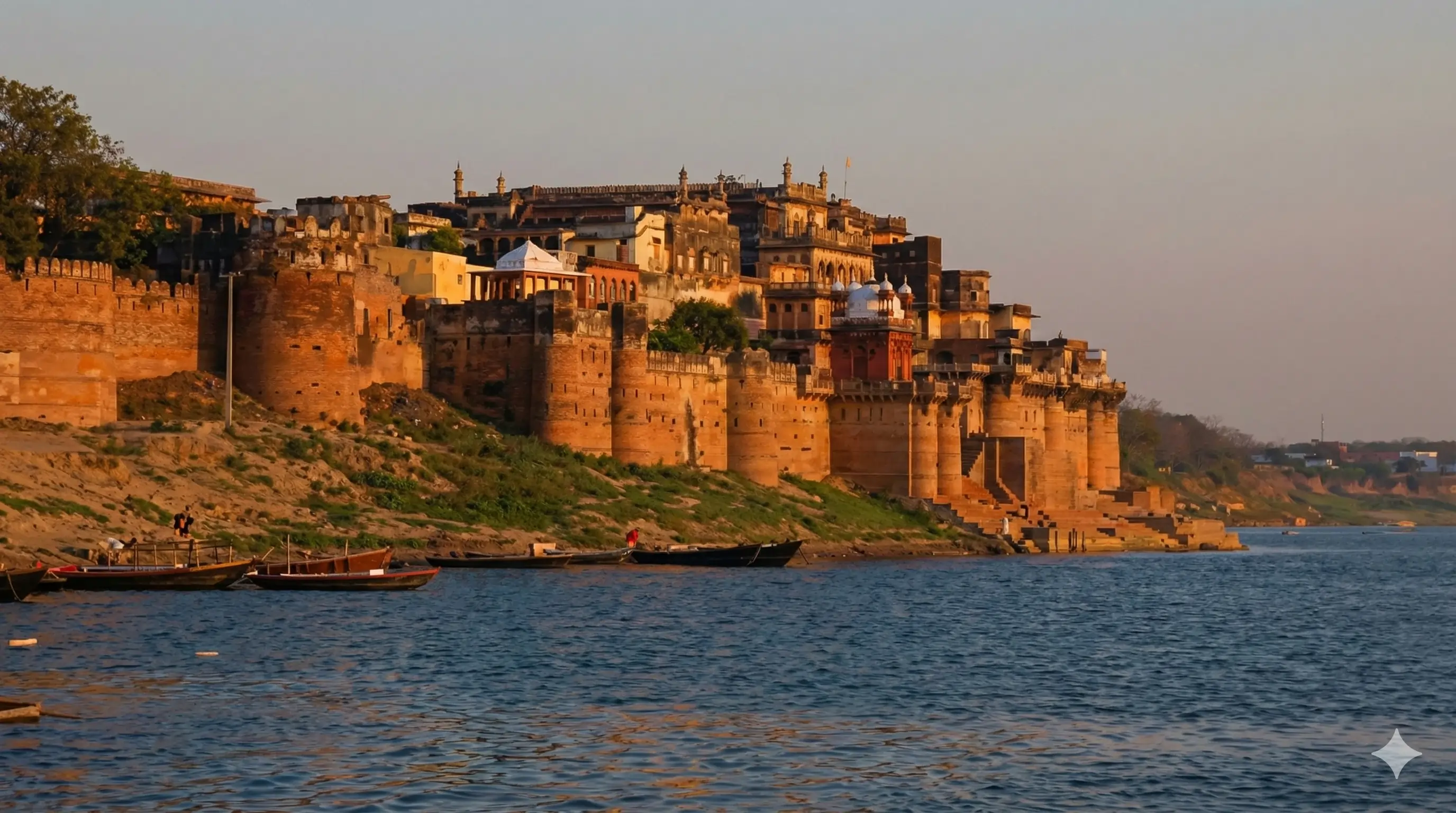
The 18th-century sandstone residence of the Kashi Naresh (King of Varanasi). Features a vintage car museum, armory, and the best sunset views across the river.
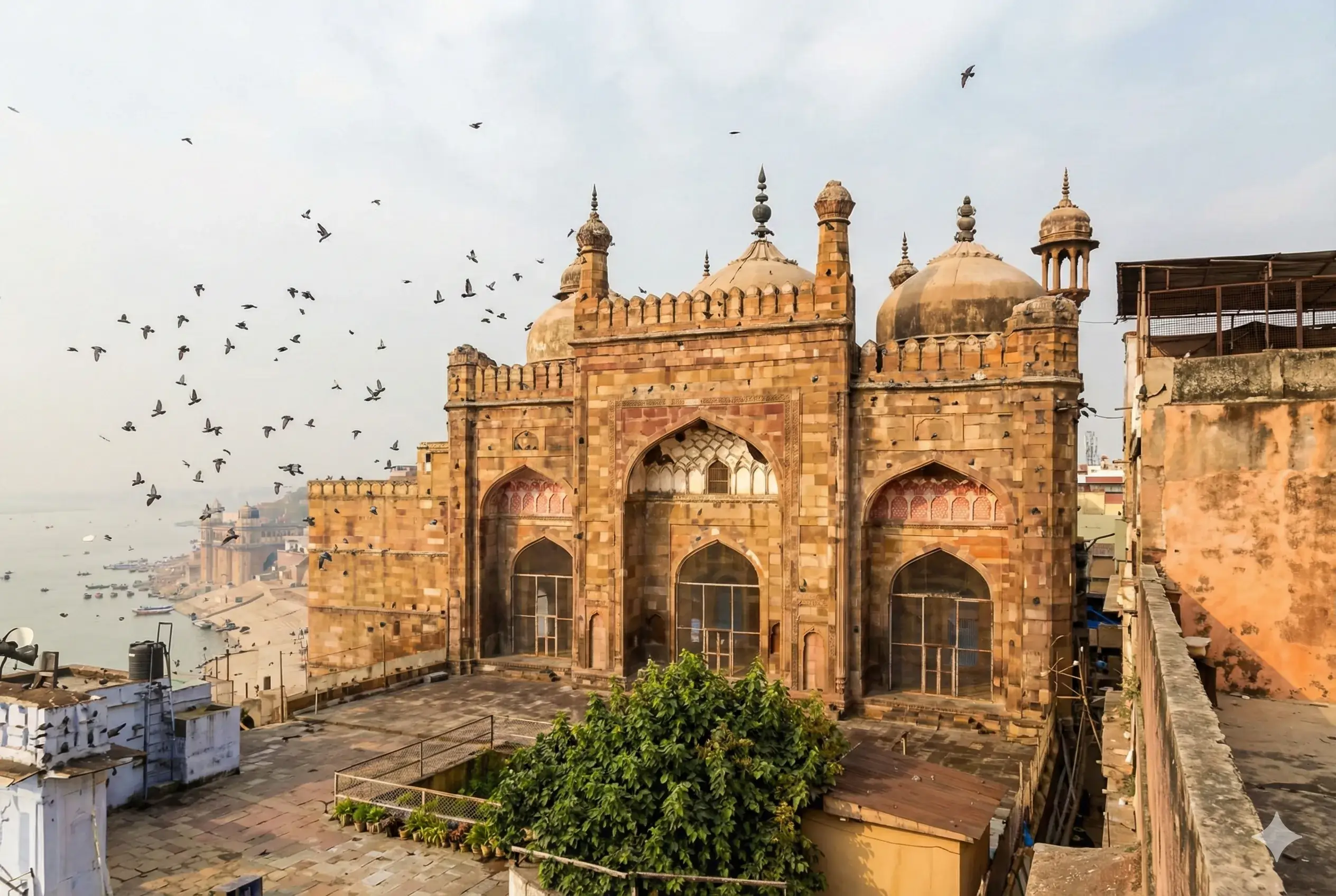
A 17th-century Mughal mosque built by Aurangzeb. Its towering minarets (now reduced) dominate the skyline at Panchganga Ghat.
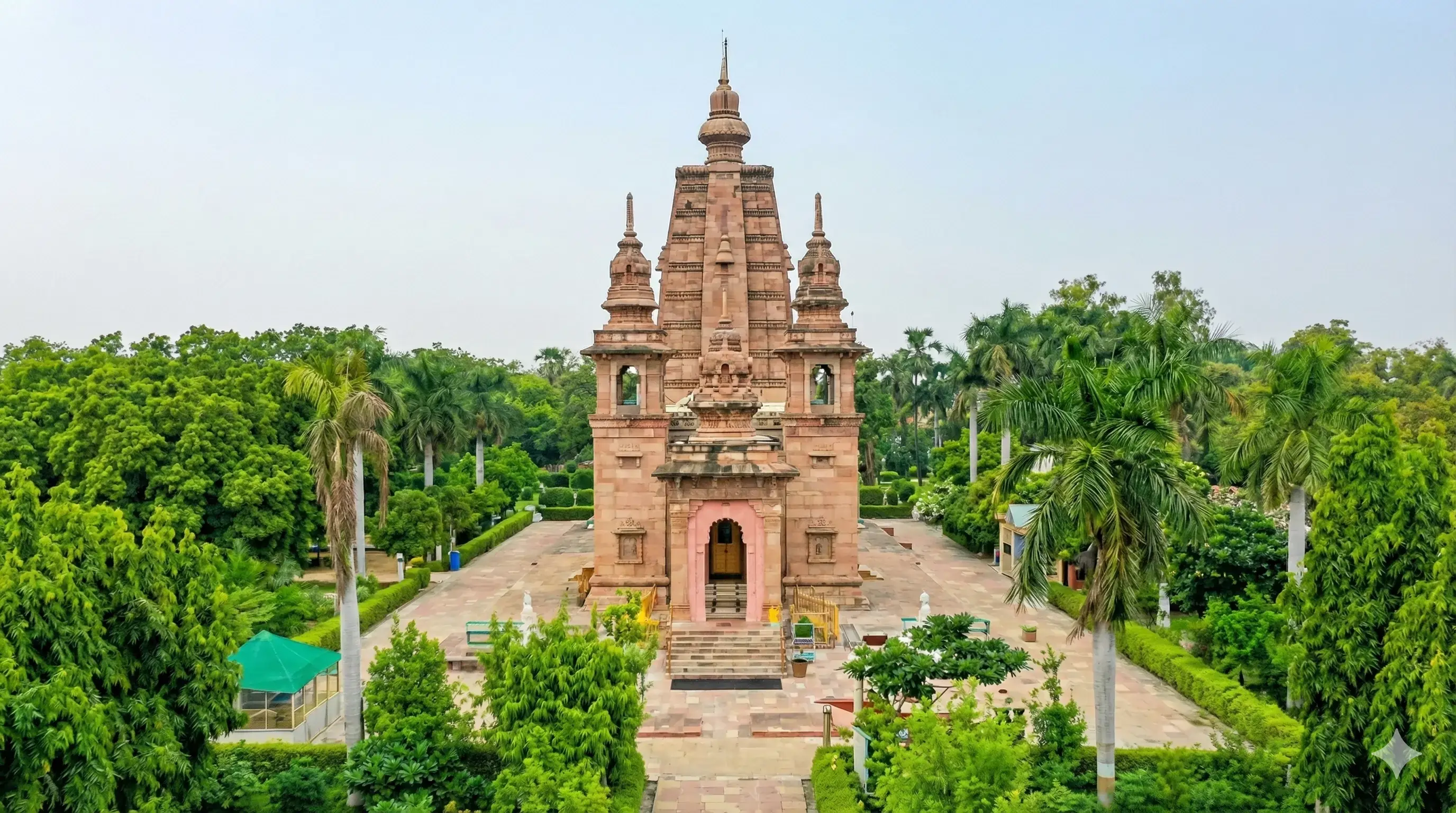
A major Buddhist pilgrimage site just 10km from Varanasi. This is where Lord Buddha delivered his first sermon after attaining enlightenment.
The Banaras Gharana: Experience the melodious traditions that echo through the sacred city.
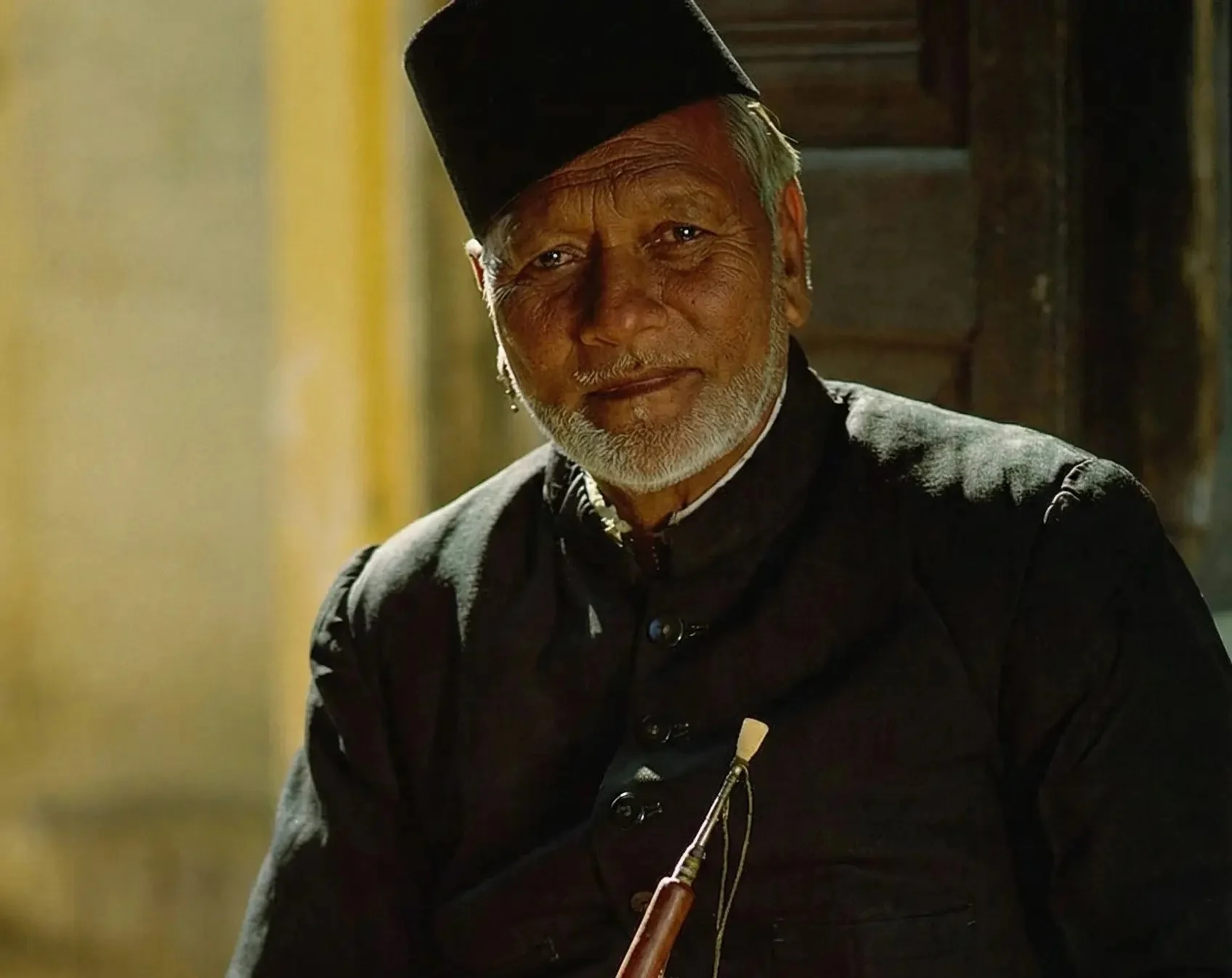
The Bharat Ratna awardee who elevated the Shehnai from a wedding instrument to the concert stage. He lived his entire life in the humble alleys of Varanasi.
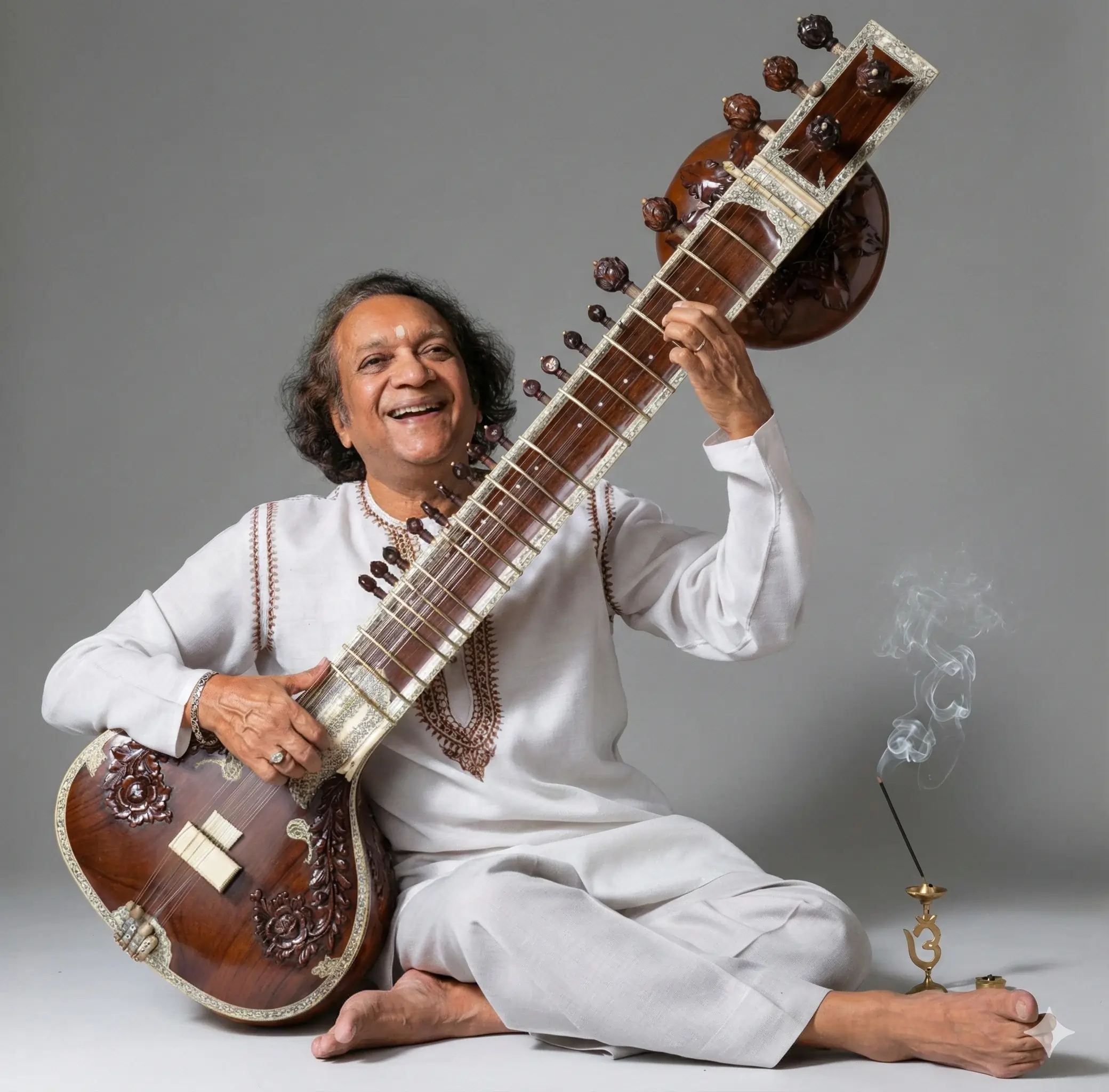
The sitar virtuoso who introduced Indian classical music to the West. A native of Varanasi, his music carried the spiritual depth of the city.
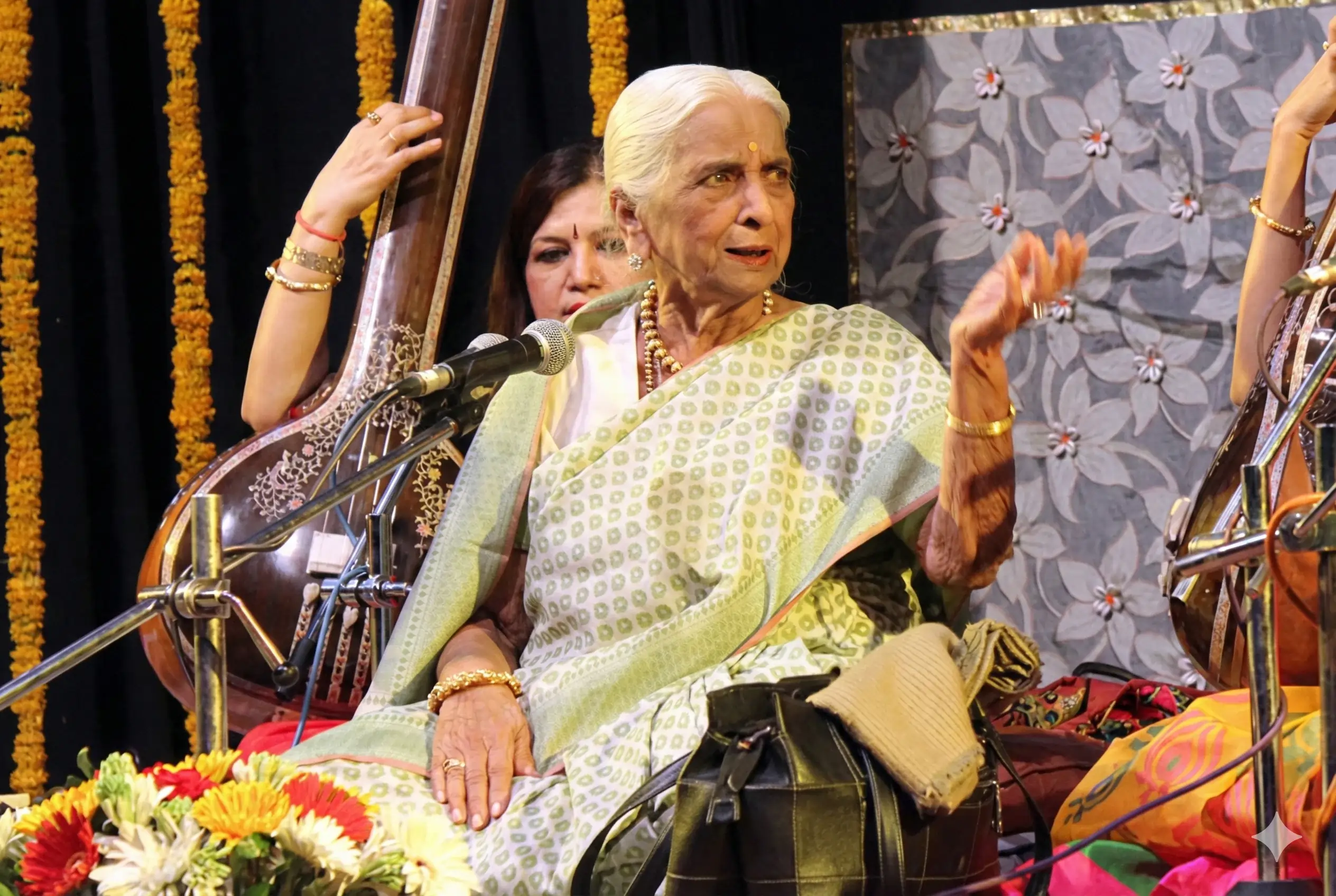
The 'Queen of Thumri.' She was a legendary vocalist of the Seniya and Banaras gharanas, known for her semi-classical vocal forms like Thumri, Dadra, and Chaiti.
A legacy of weaving and craftsmanship passed down through generations.
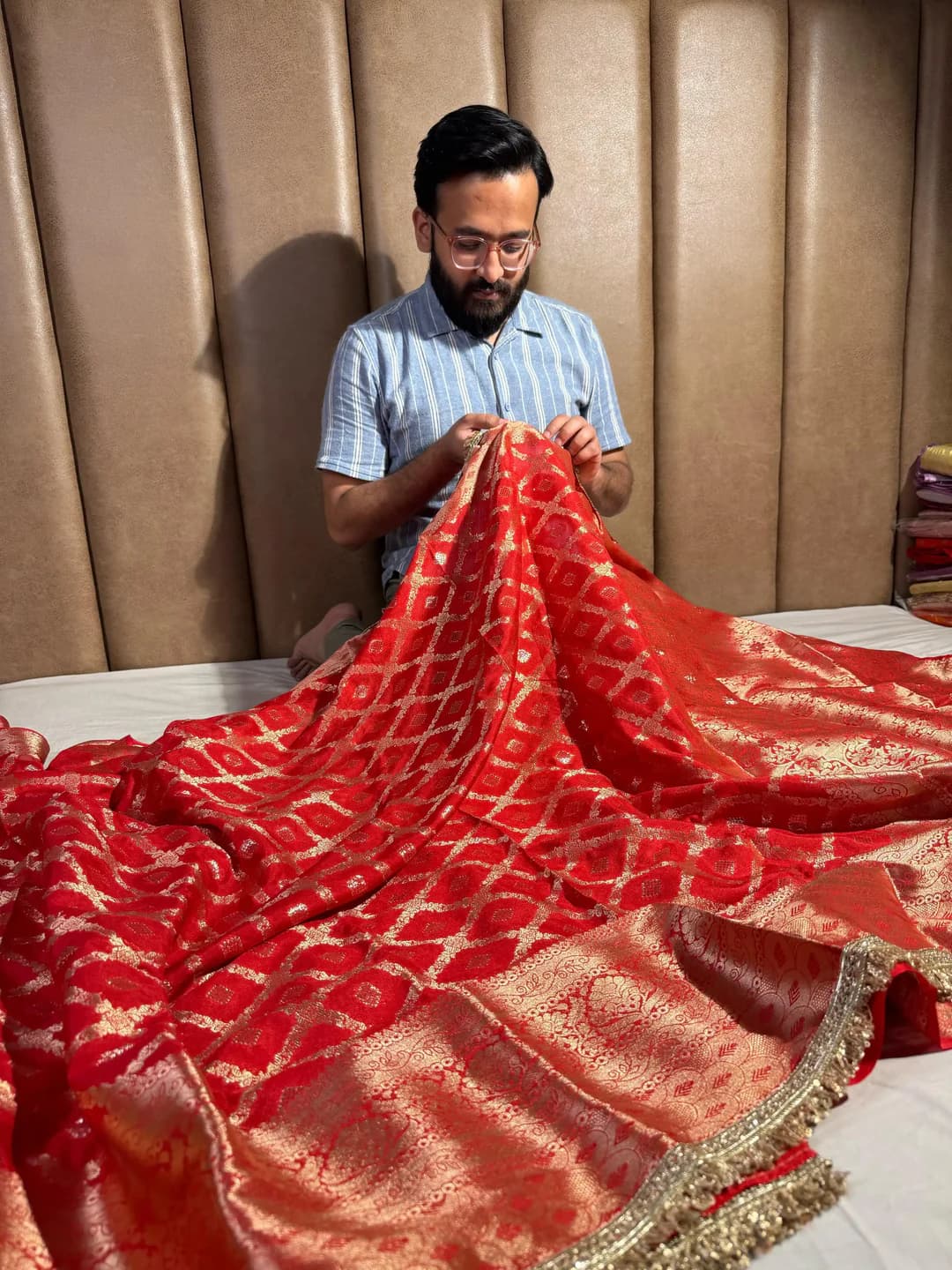
World-famous handwoven saris featuring intricate gold and silver zari work. A single saree can take weeks or months to weave and is a bridal staple.

Varanasi is the world's largest production center for handmade glass beads. Used for jewelry and decoration, this craft employs thousands of artisans.
.webp&w=3840&q=75)
Artisans carve soft stone into intricate 'Jali' (lattice) work and small animals. A tradition that dates back to the Mauryan empire.
A gastronomic journey through the streets of Banaras, from dew-soaked desserts to spicy chaats.
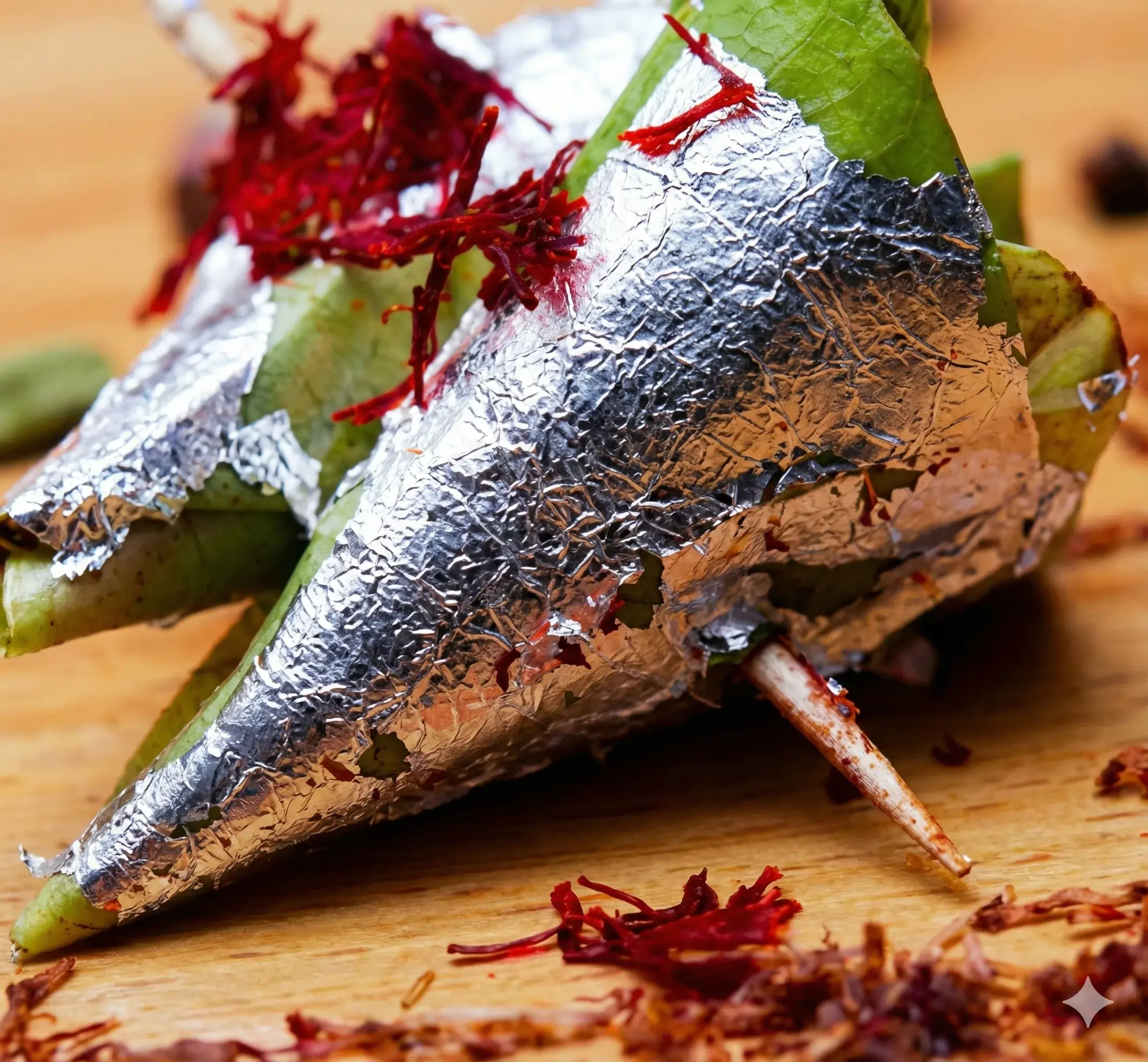
The world-famous betel leaf preparation. A digestif made with maghai paan leaf, rose petal preserve (gulkand), areca nut, and secret spices.
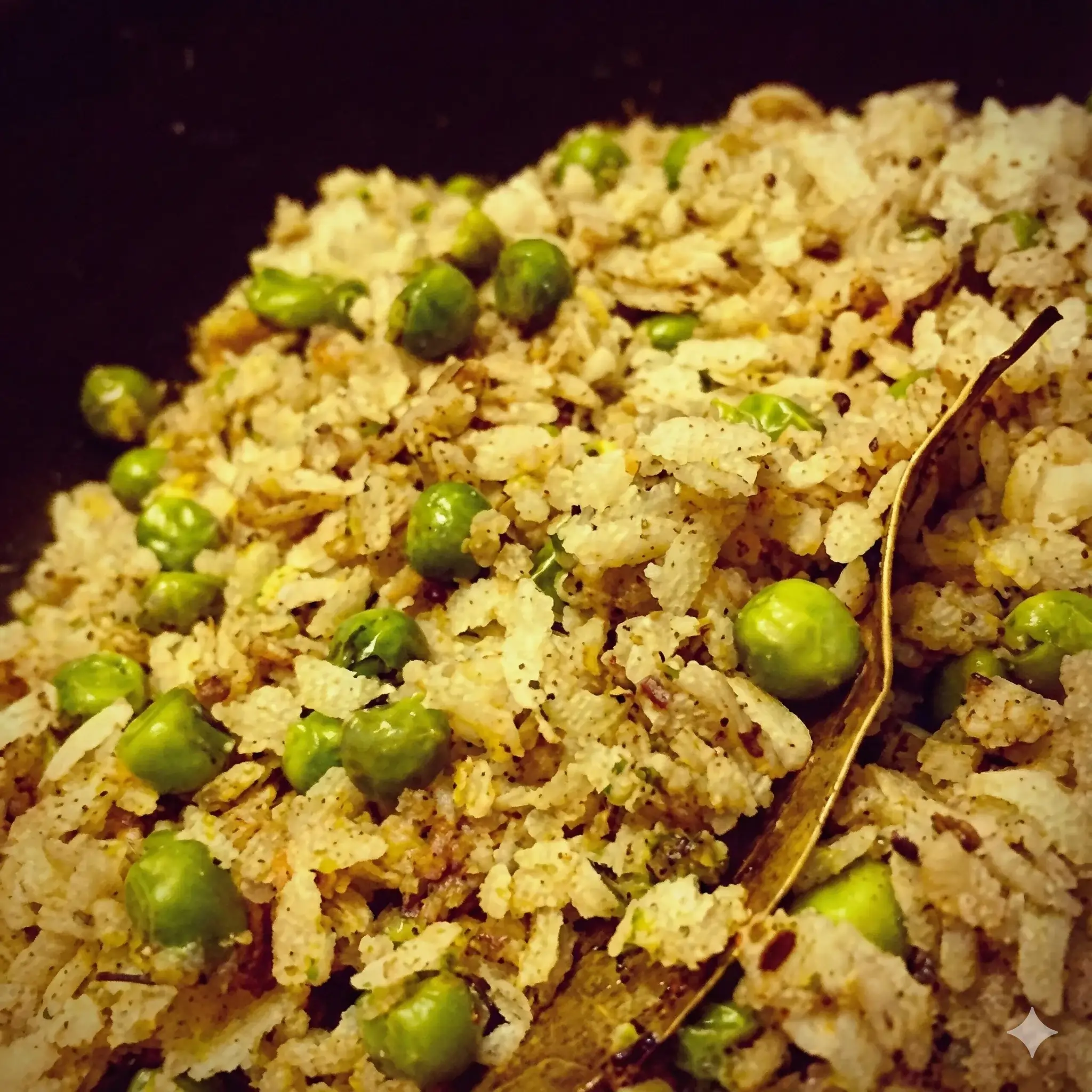
A winter breakfast specialty. Flattened rice (poha) soaked in ghee and spices, cooked with fresh green peas, milk, and saffron.
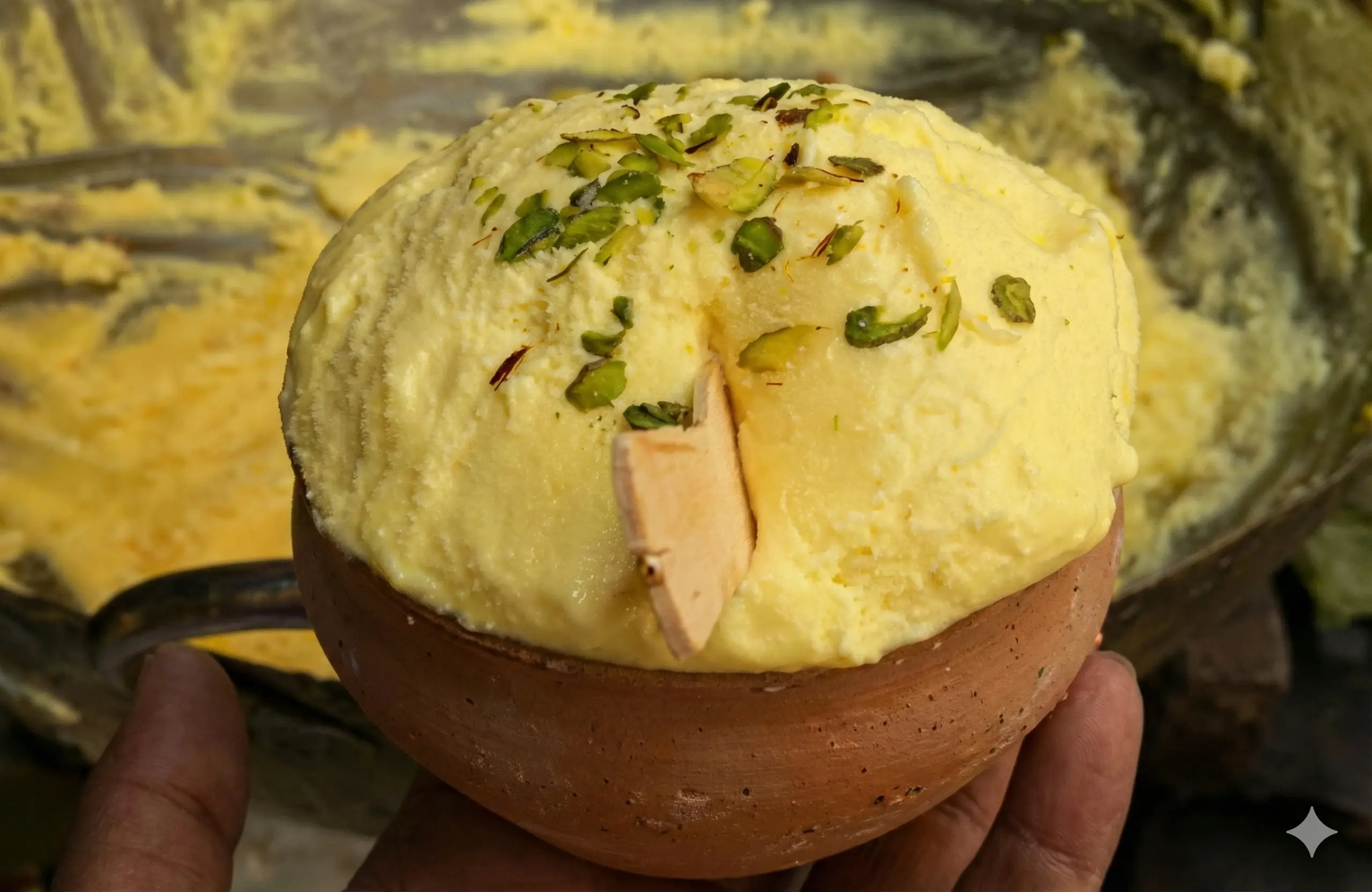
An ethereal winter dessert made from milk foam, saffron, and pistachios. It is said to be set by the morning dew and disappears as the day warms up.
Extend your spiritual journey to nearby pilgrimage sites and holy cities.

The sacred birthplace of Lord Rama. Experience the newly constructed Ram Mandir, the fortress of Hanuman Garhi, and the serene Saryu Ghats in a city reborn.

The sacred Triveni Sangam where three holy rivers meet. A major pilgrimage site, home to the Kumbh Mela, and the cradle of India's independence movement.

The land of salvation and enlightenment. Walk where the Buddha found Nirvana and perform sacred rites for ancestors on the banks of the Falgu.