The stone carving tradition of Varanasi is legendary, dating back to the times of the Ashoka Pillar at Sarnath. Today, a community of artisans (Raidas) keeps this art alive, primarily working with soft stone.
They are famous for creating 'Jali' work—intricate lattice screens carved out of a single piece of stone—as well as small, lifelike statues of animals, elephants within elephants (undercut work), and deities. The level of detail achieved on such hard material is breathtaking.
The main center for this craft is near the Ramnagar Fort area. These stone items make for durable and classic souvenirs.
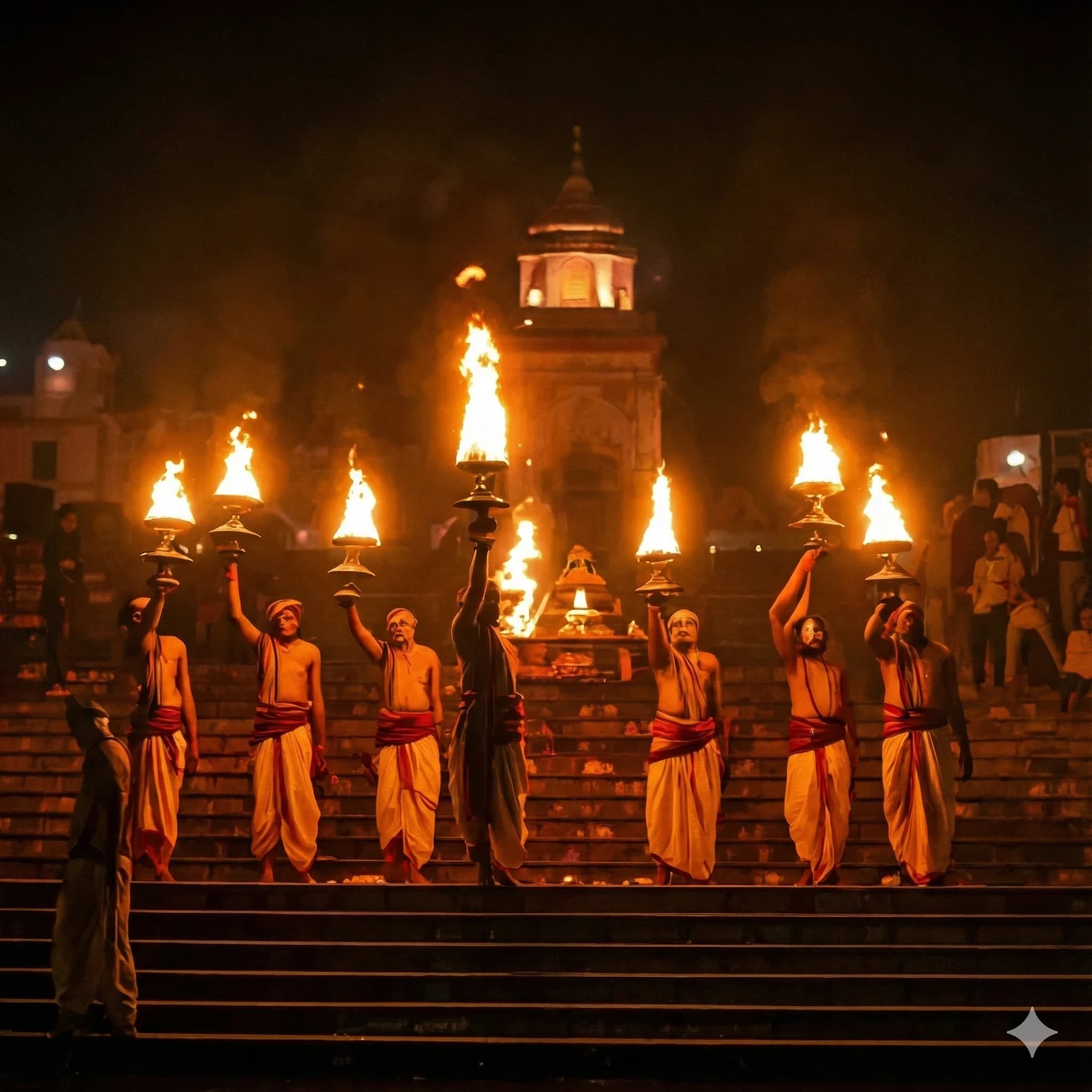
The most spectacular and bustling ghat in Varanasi, famous for the Agni Pooja (Ganga Aarti). Legend says Lord Brahma sacrificed ten horses here, making it a site of supreme cosmic power and vibrant daily devotion.
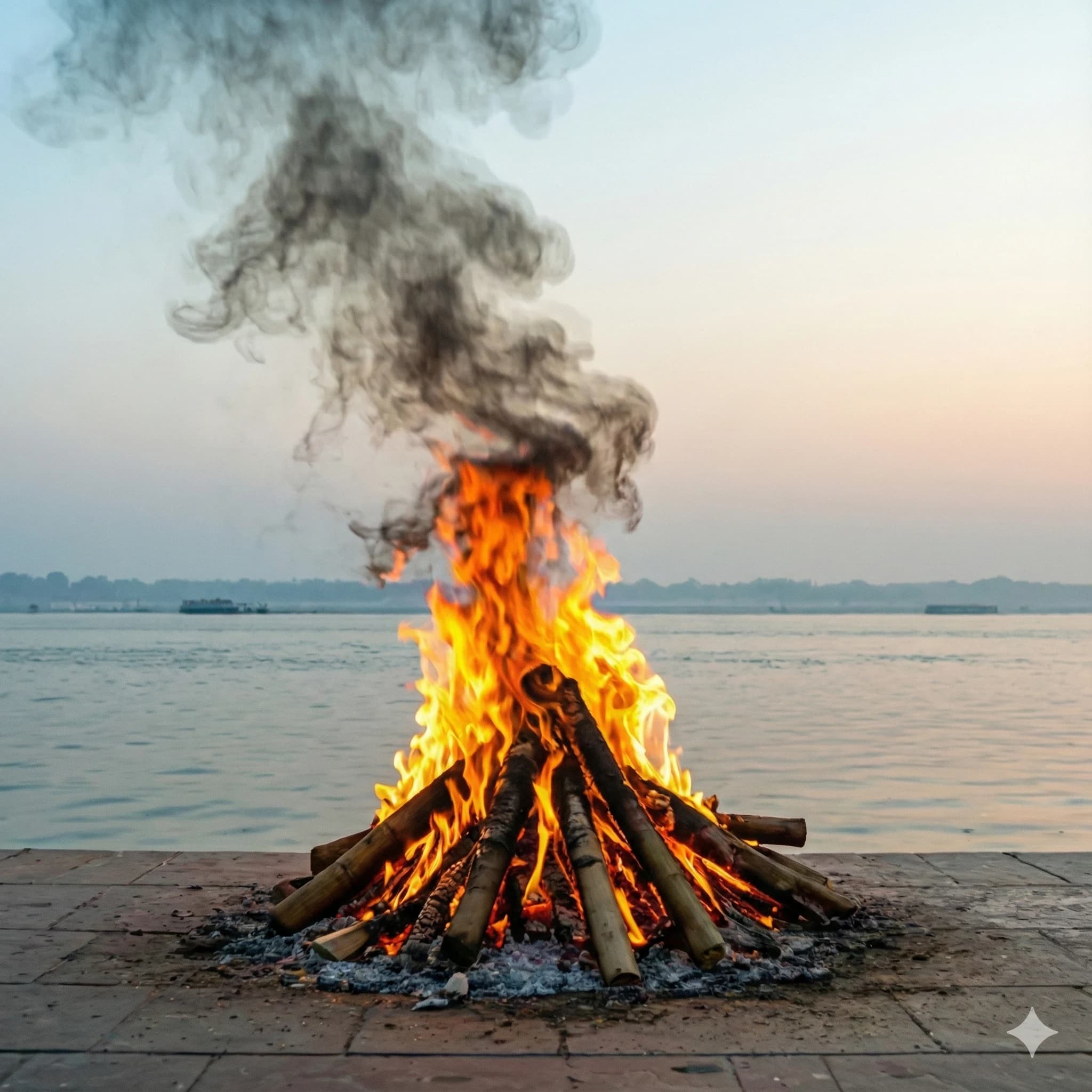
The Mahashmashana or 'Great Cremation Ground.' It is believed that the fires here have never gone out for centuries. Hindus believe cremation here grants immediate liberation (Moksha) from the cycle of rebirth.
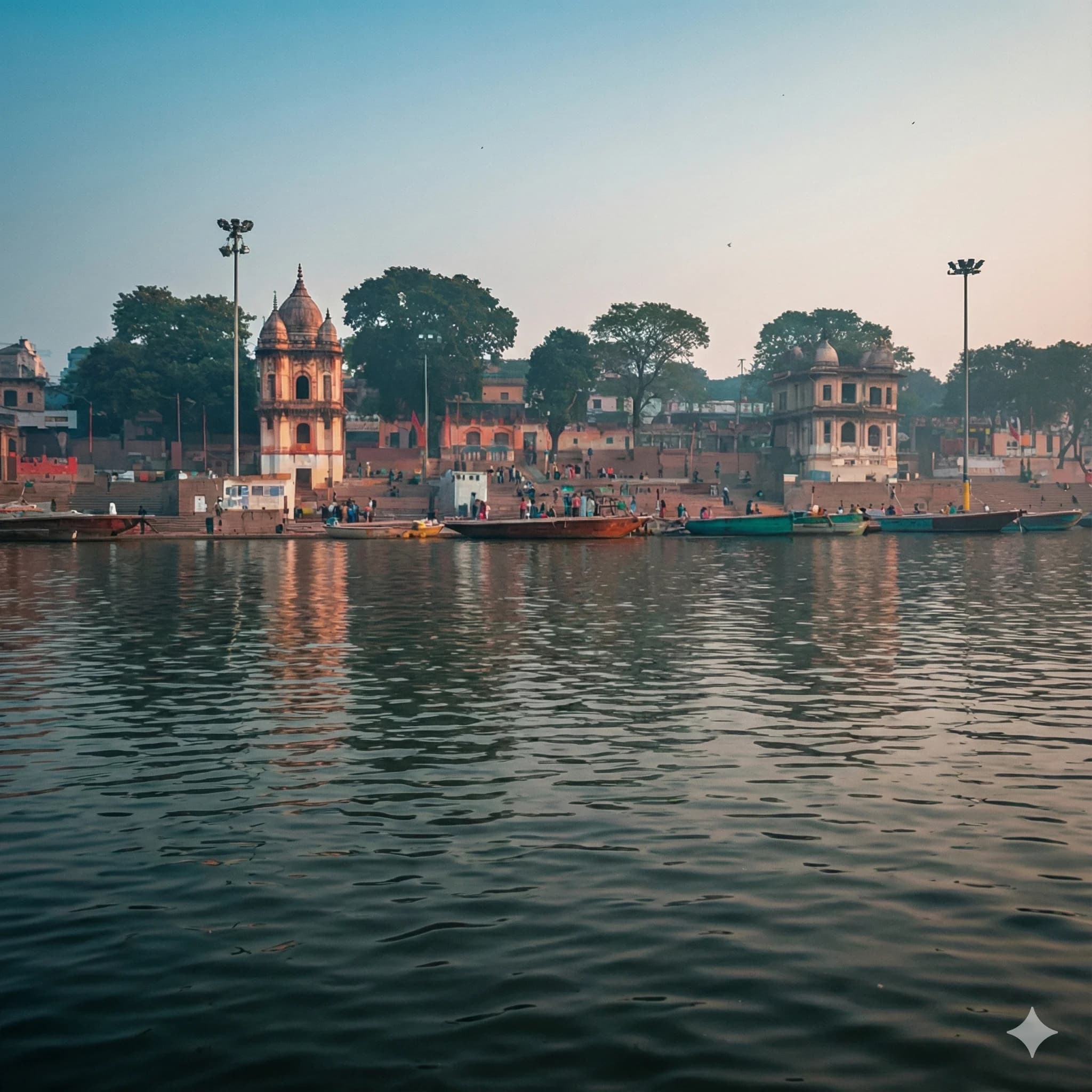
The southernmost ghat where the river Assi meets the Ganges. Famous for its 'Subah-e-Banaras' morning program, yoga sessions, long-term student residents, and a more tranquil, bohemian atmosphere.

.webp&w=3840&q=75)