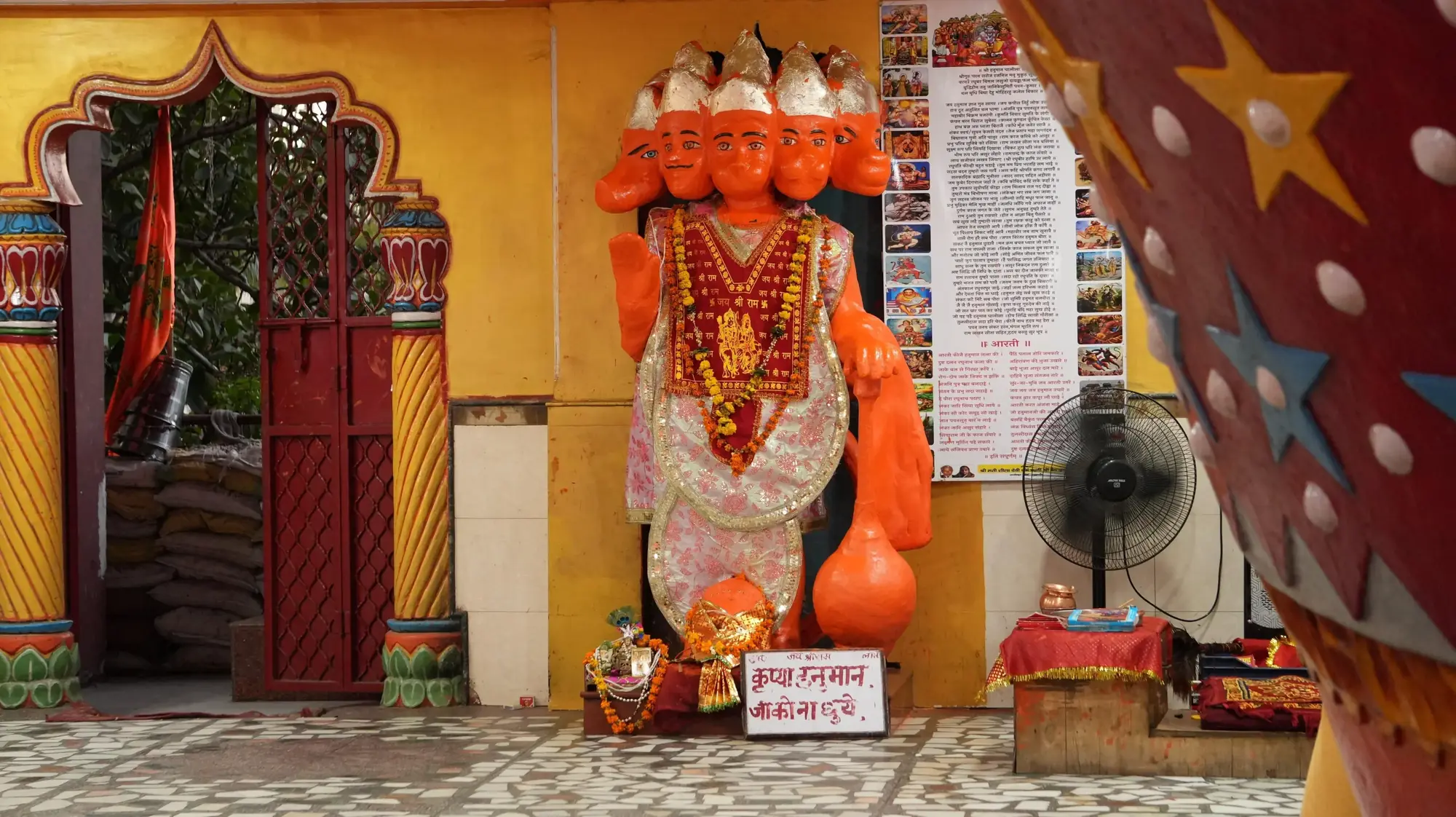
Sankat Mochan Mandir is one of the most beloved temples in Varanasi, dedicated to Lord Hanuman. The name translates to "Reliever of all Troubles." It was established by the poet-saint Tulsidas in the early 1600s at the very spot where he is said to have had a vision of Hanuman. Unlike the fierce form worshipped elsewhere, the deity here faces Lord Rama, symbolizing absolute devotion and humility.
The temple is unique for its setting—it retains a forest-like environment with many trees, creating a serene oasis away from the city's concrete and noise. However, do not expect silence; the temple is filled with the chanting of "Hanuman Chalisa" and the chatter of hundreds of monkeys who are fed by devotees. Tuesdays and Saturdays are incredibly crowded with locals seeking blessings.
The 'besan ke laddoo' (gram flour sweets) offered here as prasad are legendary in Varanasi for their taste. The temple is also the site of the 'Sankat Mochan Sangeet Samaroh,' an annual classical music and dance festival held every April. Musicians from all over India perform here throughout the night as a musical offering (sewa) to the deity, often without charging a fee.
Strict rules apply here: no mobile phones, cameras, or electronics are allowed inside. Lockers are provided at the entrance. The experience is one of pure, community-driven devotion.
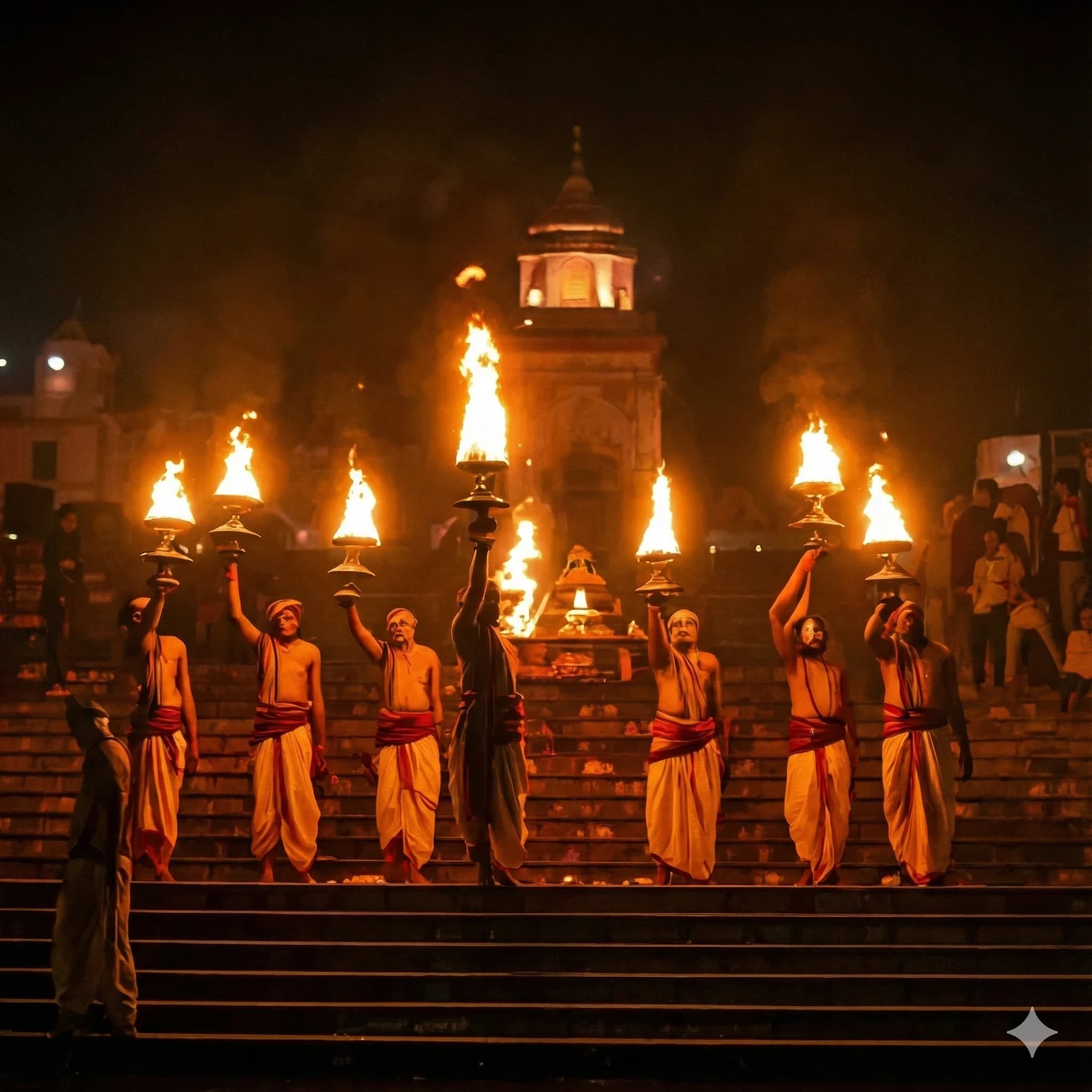
The most spectacular and bustling ghat in Varanasi, famous for the Agni Pooja (Ganga Aarti). Legend says Lord Brahma sacrificed ten horses here, making it a site of supreme cosmic power and vibrant daily devotion.
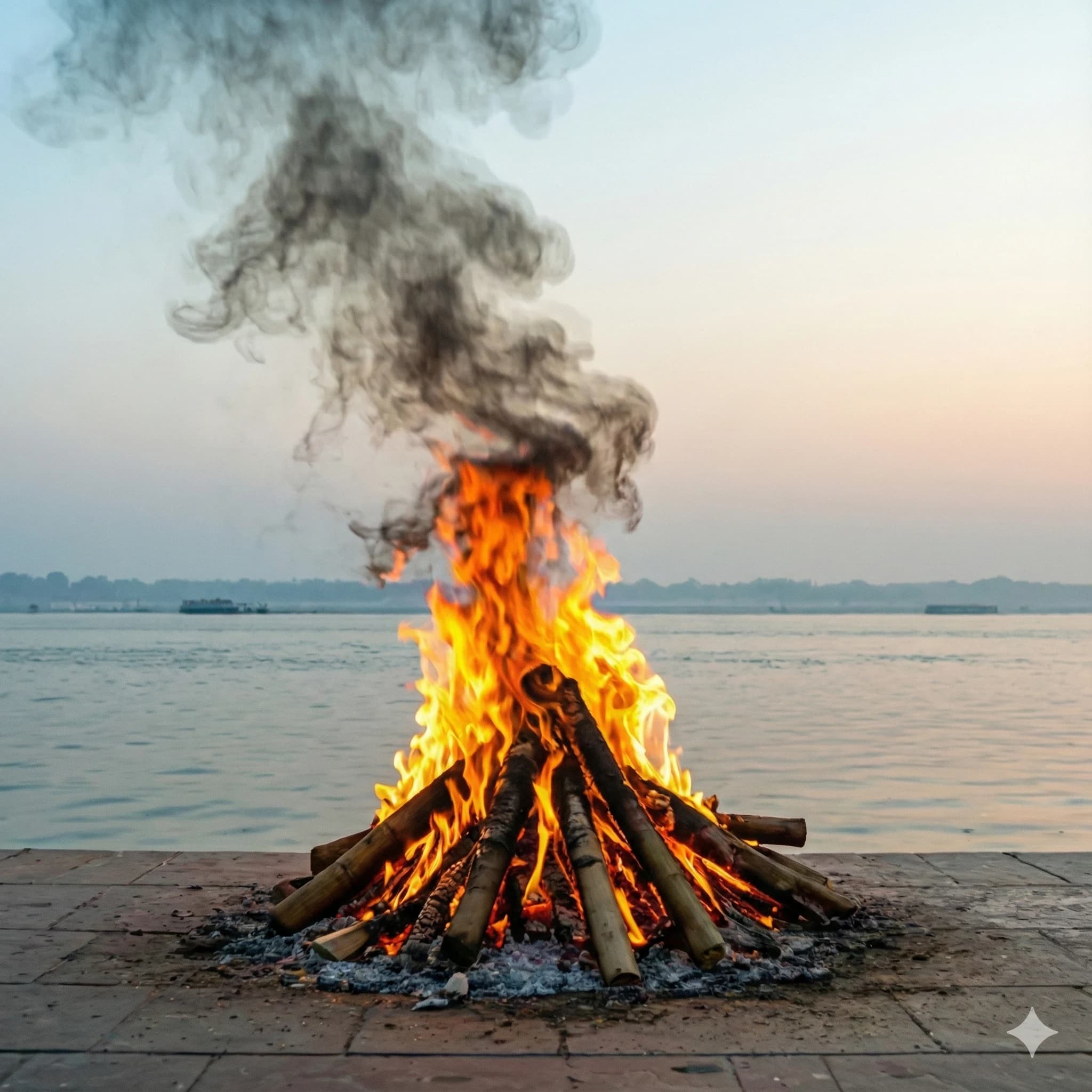
The Mahashmashana or 'Great Cremation Ground.' It is believed that the fires here have never gone out for centuries. Hindus believe cremation here grants immediate liberation (Moksha) from the cycle of rebirth.
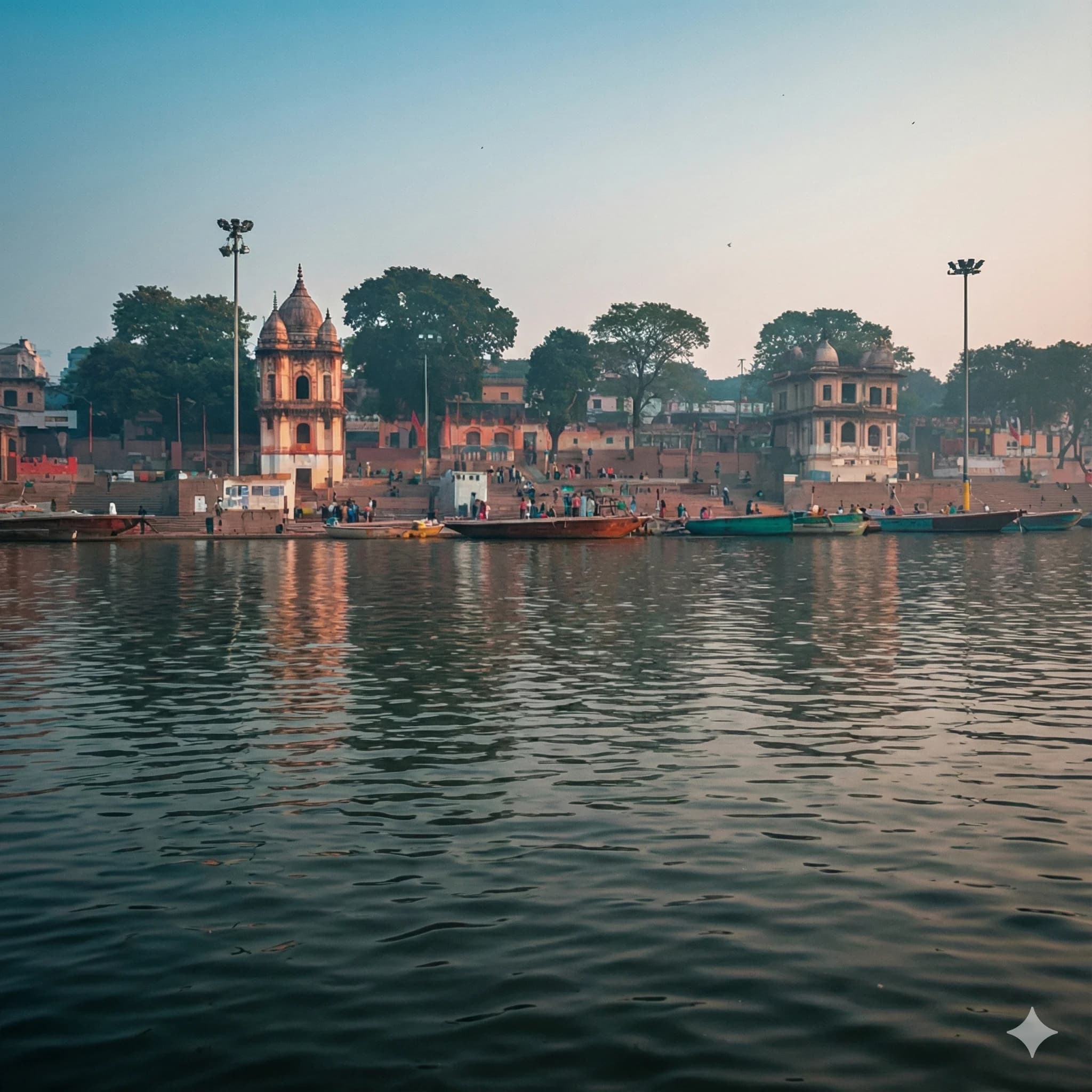
The southernmost ghat where the river Assi meets the Ganges. Famous for its 'Subah-e-Banaras' morning program, yoga sessions, long-term student residents, and a more tranquil, bohemian atmosphere.