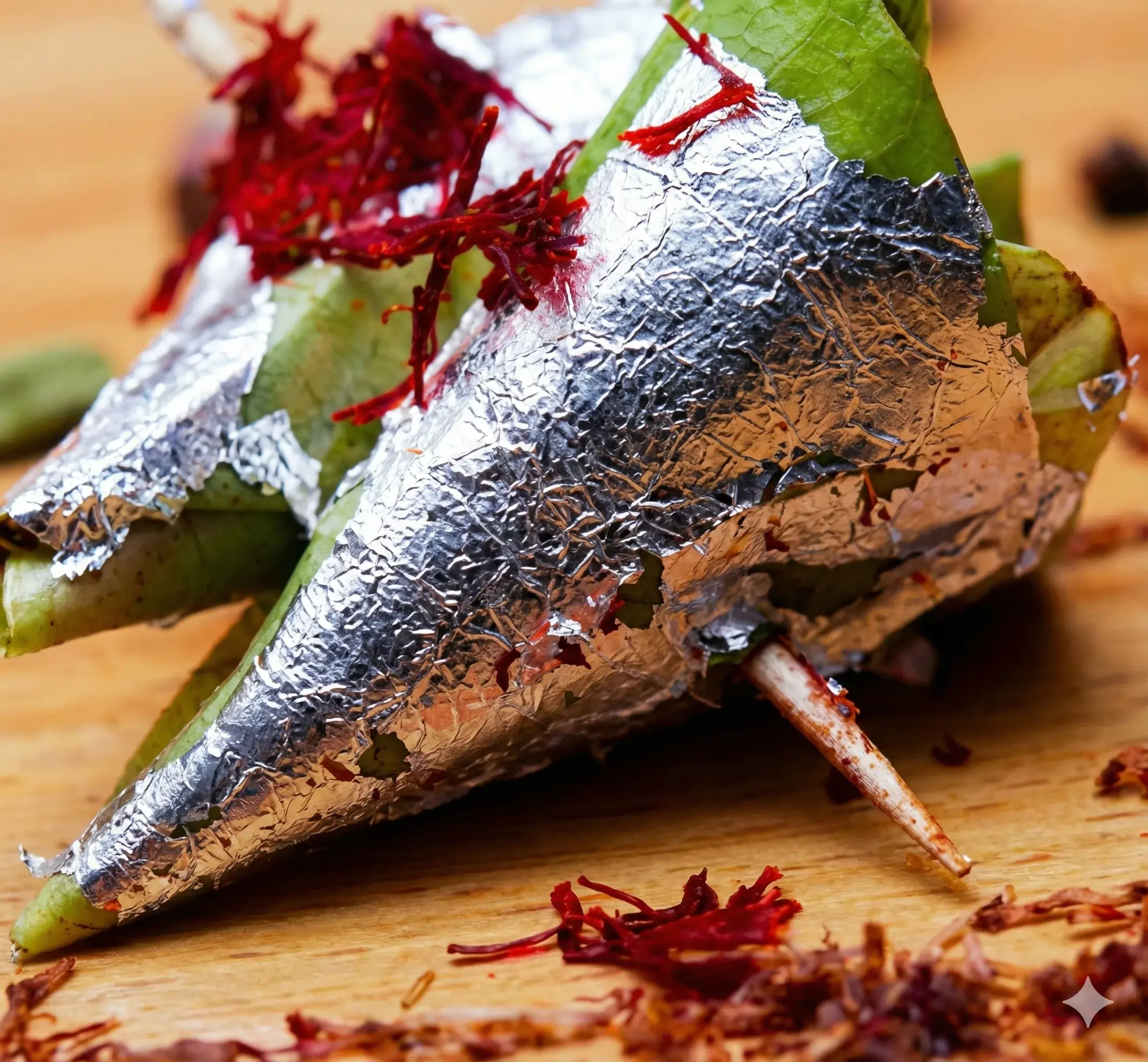
No trip to Varanasi is complete without tasting the Banarasi Paan, immortalized in Bollywood songs and Indian culture. It is not just a betel leaf; it is a ritual. The paan wallas (vendors) take great pride in their specific blends of catechu (kattha), lime (chuna), areca nut, and various flavorings.
The Banarasi variant is known for using the 'Maghai' leaf, which is tender and melts in the mouth. It is typically stuffed with Gulkand (rose petal jam), fennel seeds, coconut, and silver foil. Unlike the tobacco-laden versions, the 'Meetha Paan' (Sweet Paan) is a digestif and a mouth freshener enjoyed by all ages.
Eating it involves stuffing the entire triangle into one's mouth and letting the flavors explode. It is traditionally eaten after a heavy meal to aid digestion.
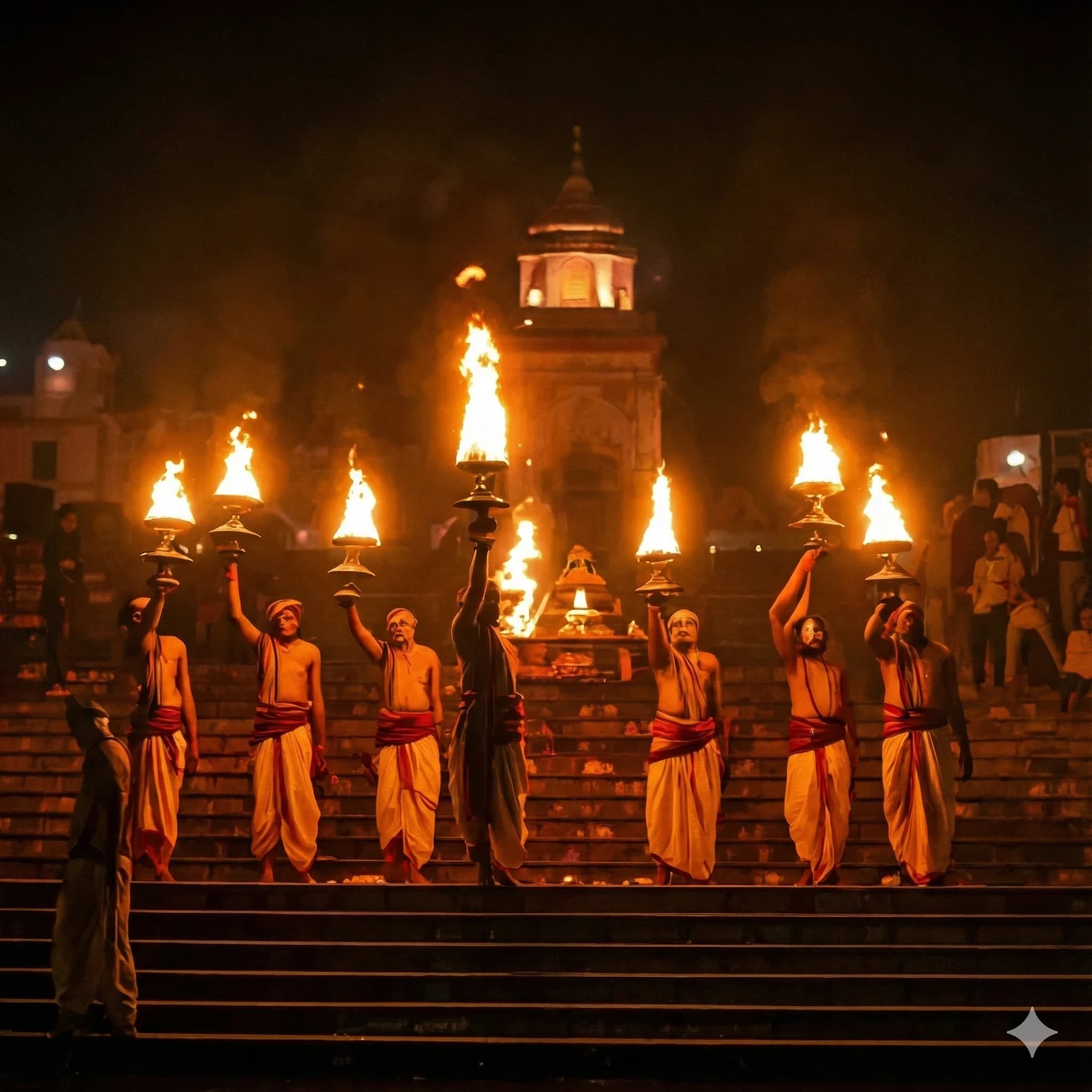
The most spectacular and bustling ghat in Varanasi, famous for the Agni Pooja (Ganga Aarti). Legend says Lord Brahma sacrificed ten horses here, making it a site of supreme cosmic power and vibrant daily devotion.
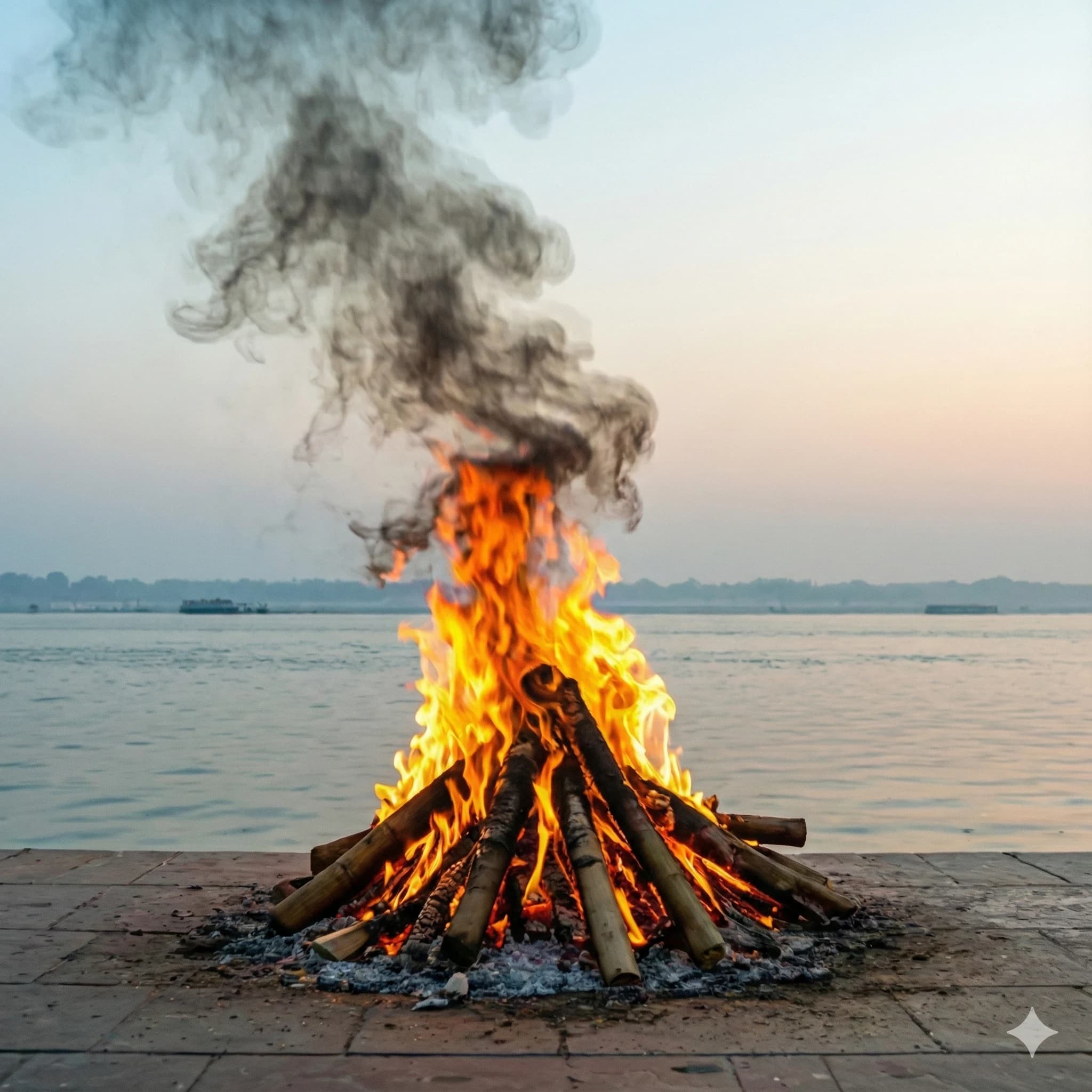
The Mahashmashana or 'Great Cremation Ground.' It is believed that the fires here have never gone out for centuries. Hindus believe cremation here grants immediate liberation (Moksha) from the cycle of rebirth.
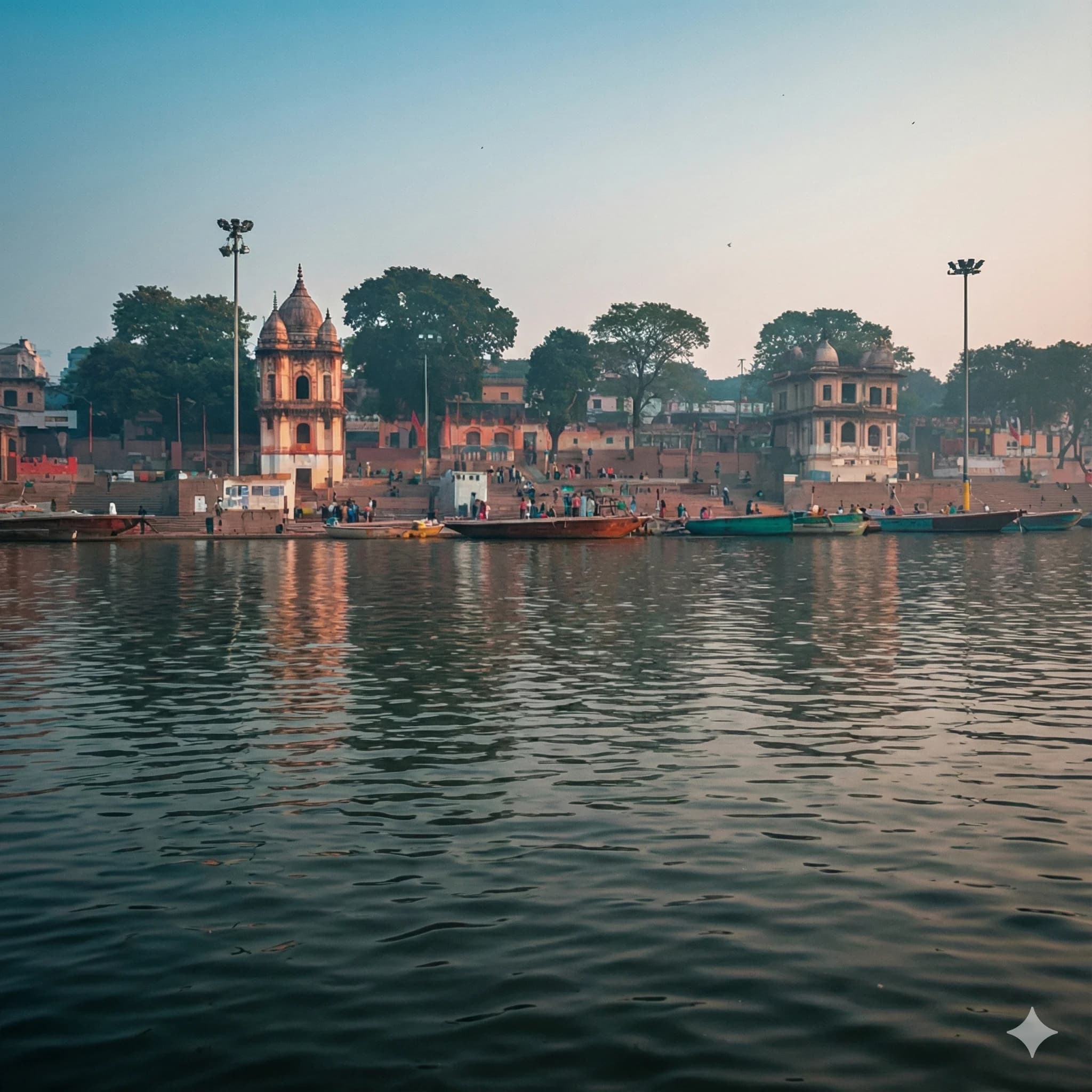
The southernmost ghat where the river Assi meets the Ganges. Famous for its 'Subah-e-Banaras' morning program, yoga sessions, long-term student residents, and a more tranquil, bohemian atmosphere.