The Durga Temple, often called the 'Monkey Temple' by tourists due to the large presence of playful macaques, is a striking 18th-century structure dedicated to Goddess Durga. Built by a Bengali Queen (Rani Bhabani of Natore), the temple is a prime example of North Indian Nagara architecture. It is painted a vivid red ochre from top to bottom, symbolizing the color of the Goddess and her shakti (power).
The temple sits next to a large rectangular water tank known as Durga Kund. In the past, this kund was connected to the river, but it is now a standalone water body. Legend says that the idol of the Goddess here was not man-made but appeared on its own (Swayambhu). The inner sanctum features the Goddess clad in red, riding her tiger/lion, armed with weapons.
The atmosphere here is intense and loud, with bells ringing constantly and devotees chanting. It is particularly crowded during Navratri (the nine nights of the Goddess) when the temple is decorated with thousands of lights. Non-Hindus can enter the courtyard and observe the rituals but may be restricted from the inner sanctum depending on the crowd.
The temple's location in the southern part of the city makes it a key stop on the circuit that includes Tulsi Manas and Sankat Mochan temples. Be careful with your belongings, as the resident monkeys are expert thieves of glasses and food!
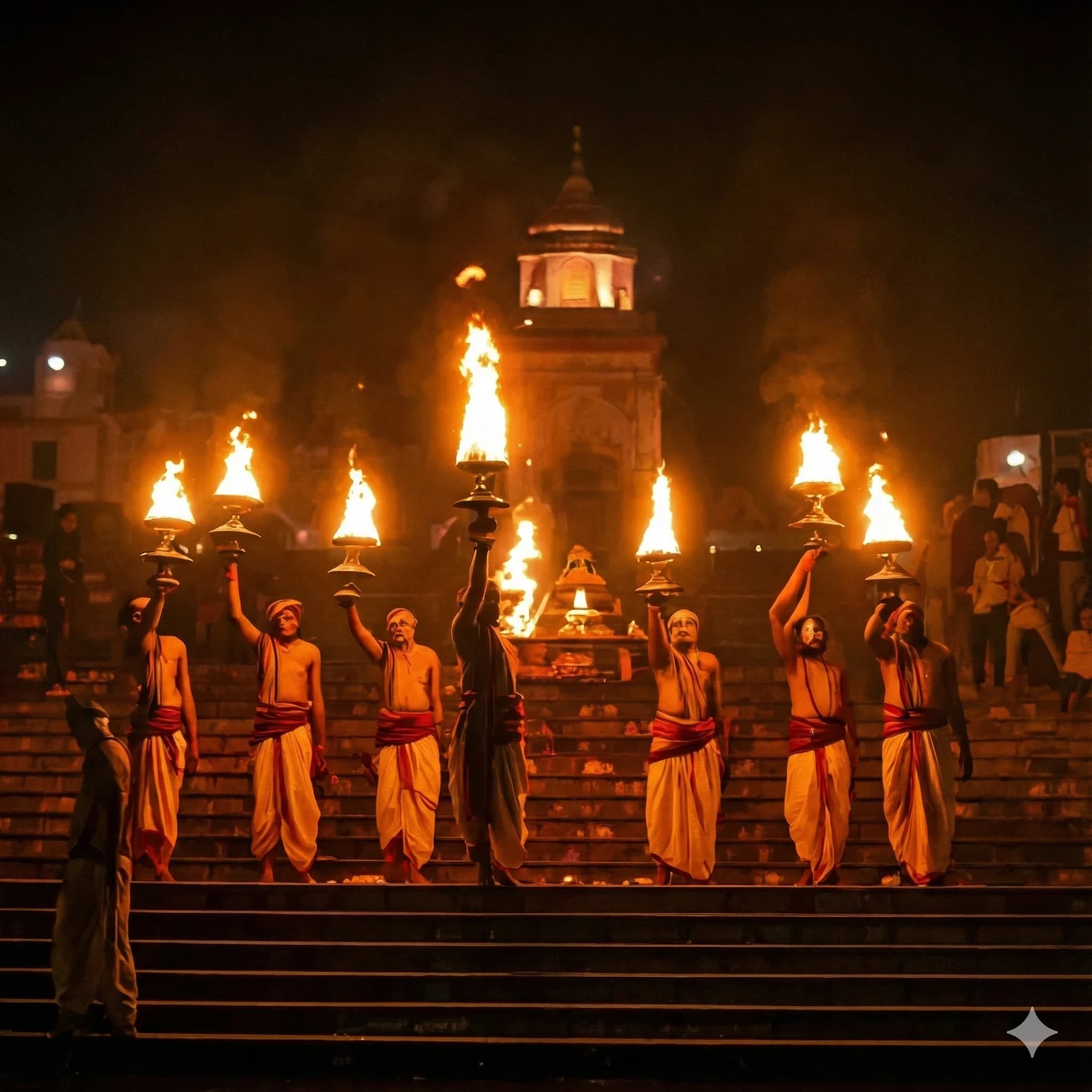
The most spectacular and bustling ghat in Varanasi, famous for the Agni Pooja (Ganga Aarti). Legend says Lord Brahma sacrificed ten horses here, making it a site of supreme cosmic power and vibrant daily devotion.
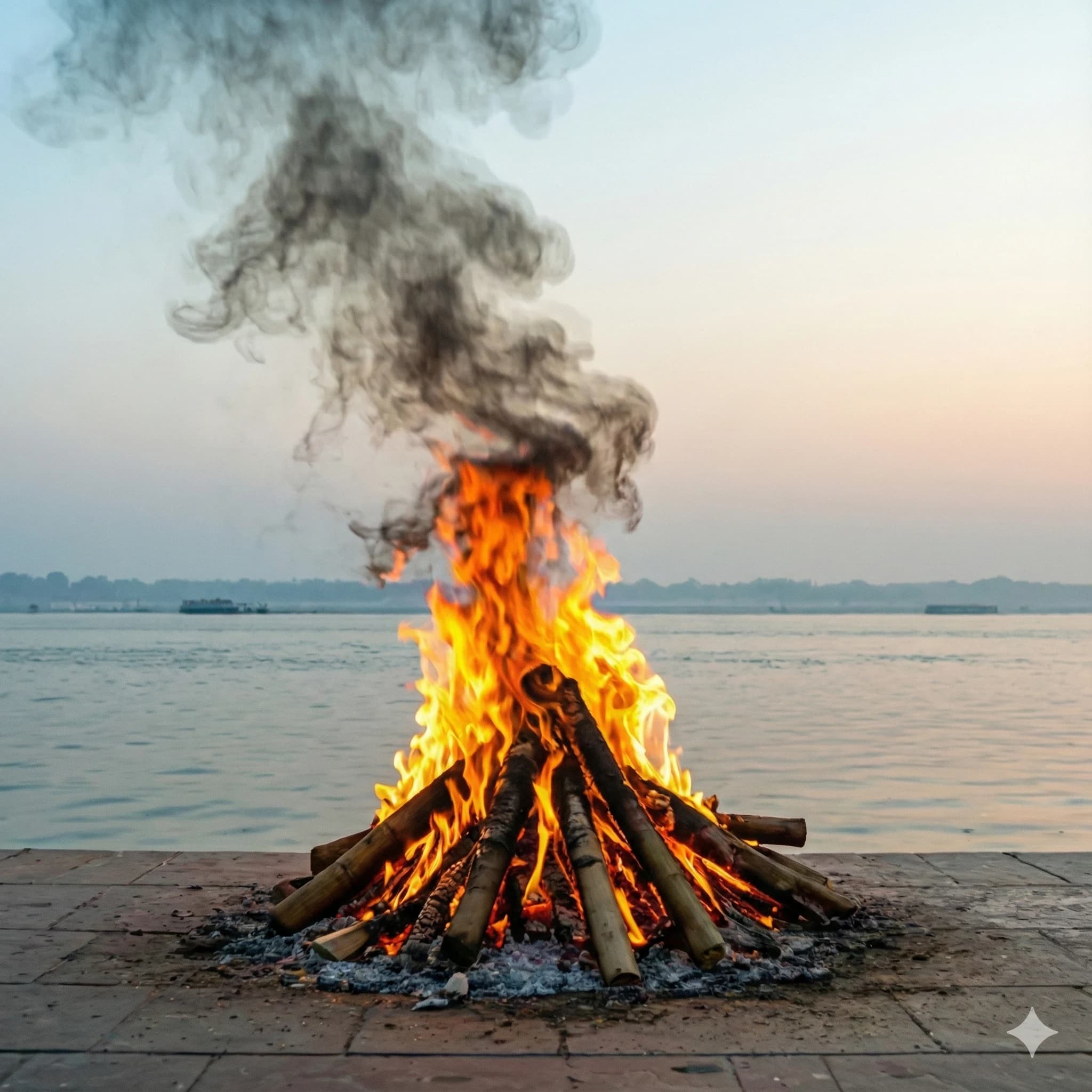
The Mahashmashana or 'Great Cremation Ground.' It is believed that the fires here have never gone out for centuries. Hindus believe cremation here grants immediate liberation (Moksha) from the cycle of rebirth.
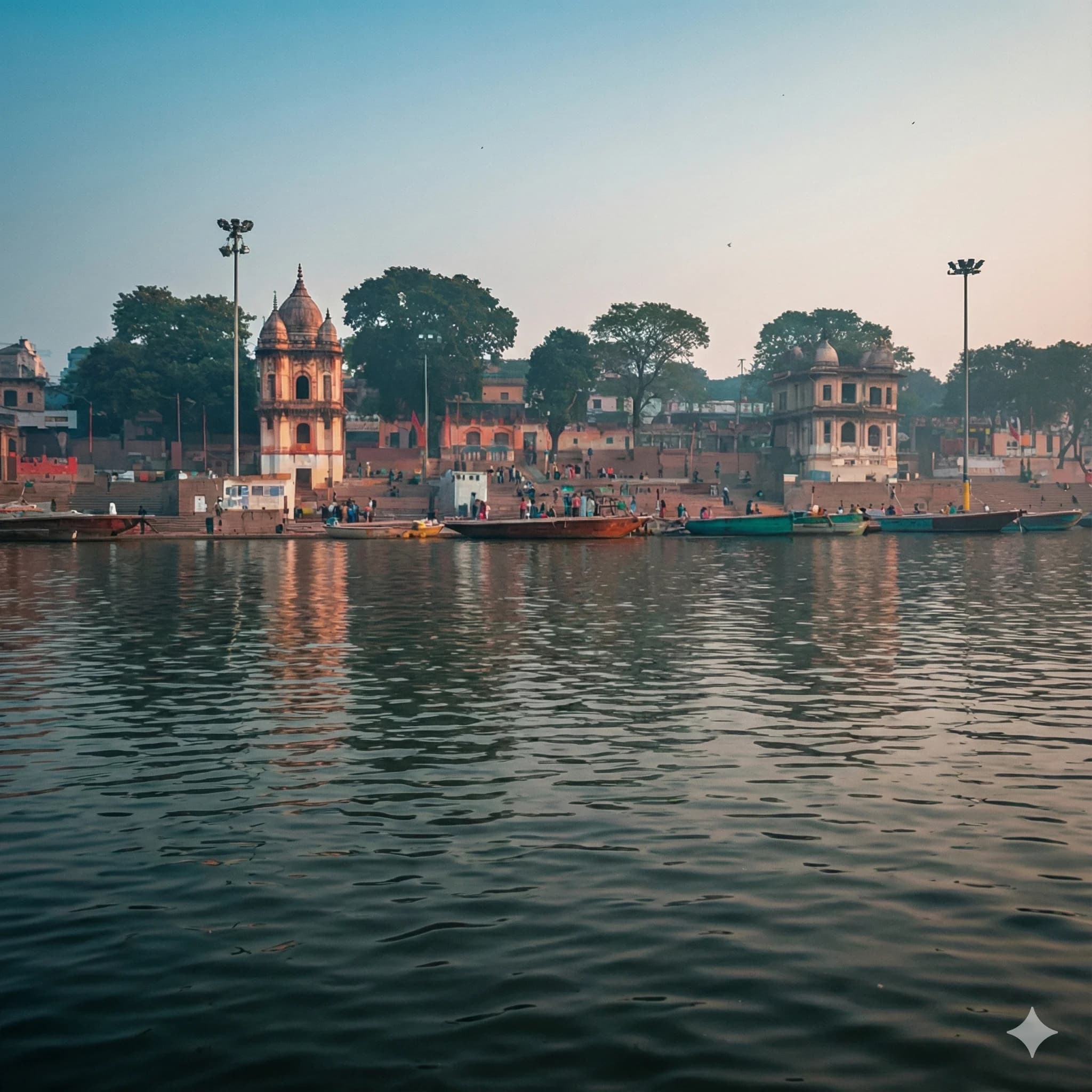
The southernmost ghat where the river Assi meets the Ganges. Famous for its 'Subah-e-Banaras' morning program, yoga sessions, long-term student residents, and a more tranquil, bohemian atmosphere.
.webp&w=3840&q=75)