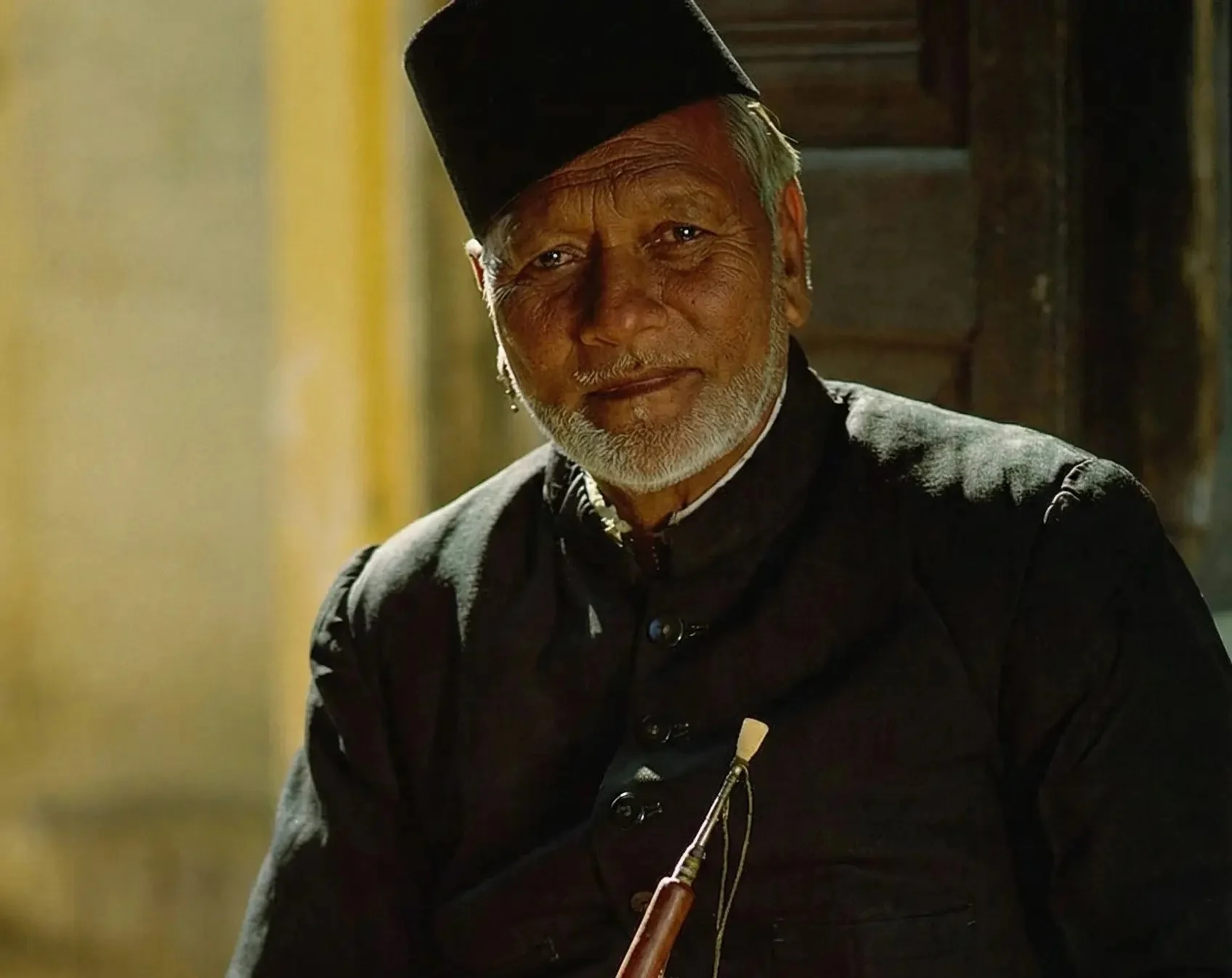
Ustad Bismillah Khan is synonymous with the Shehnai and with Varanasi itself. Born into a family of court musicians, he is credited with single-handedly elevating the Shehnai—previously considered a mere folk instrument played at weddings—to the classical concert stage. He was awarded the Bharat Ratna, India's highest civilian honor, in 2001.
Despite his global fame, Khan refused to move to big cities or abroad, famously saying he could not leave his beloved Ganges and the Balaji Temple where he practiced. He lived in a humble home in the Sarai Harha neighborhood until his death.
His music embodied the syncretic culture (Ganga-Jamuni Tehzeeb) of Varanasi. He would play at the Kashi Vishwanath Temple and also perform Muharram processions. His legacy lives on in the music schools of the city.
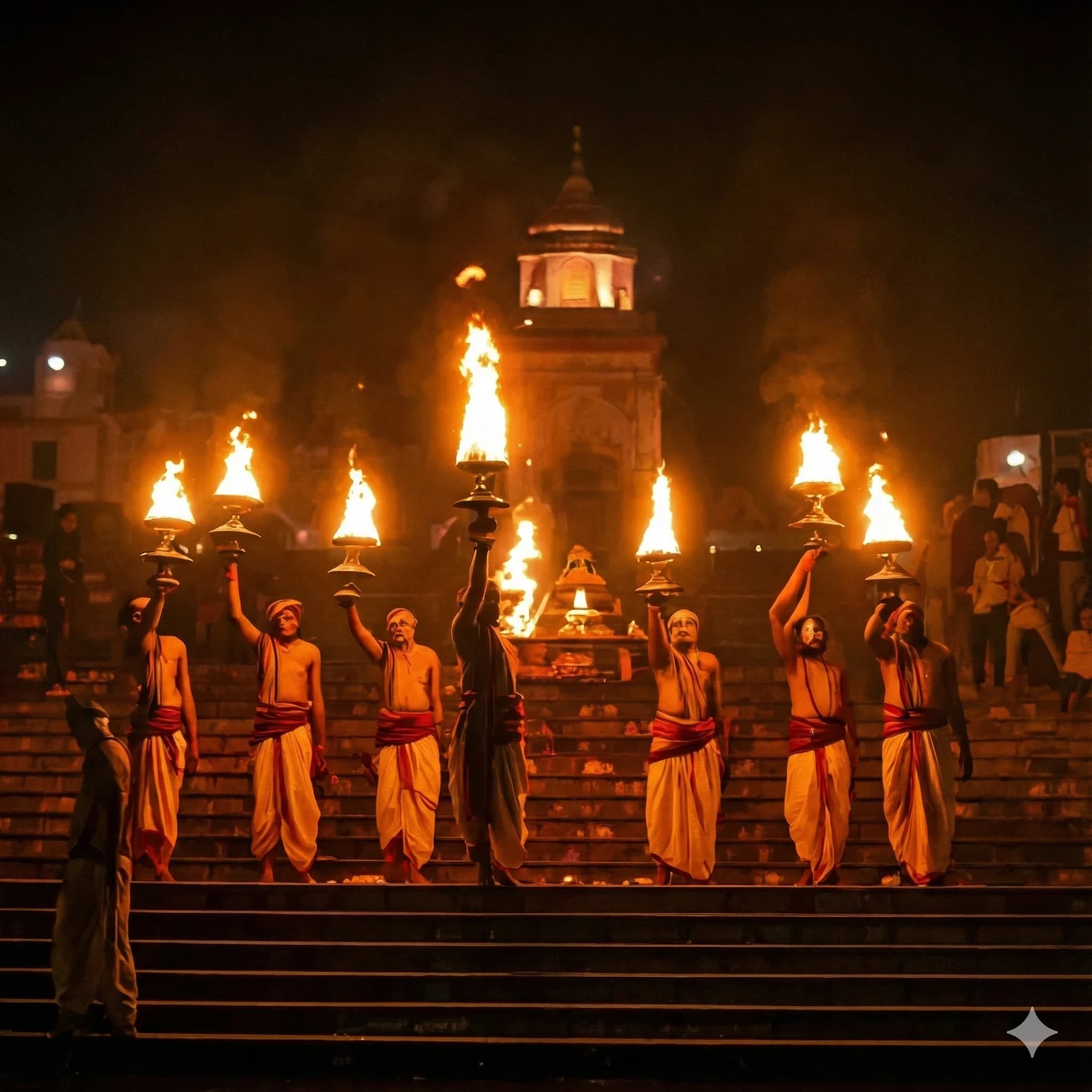
The most spectacular and bustling ghat in Varanasi, famous for the Agni Pooja (Ganga Aarti). Legend says Lord Brahma sacrificed ten horses here, making it a site of supreme cosmic power and vibrant daily devotion.
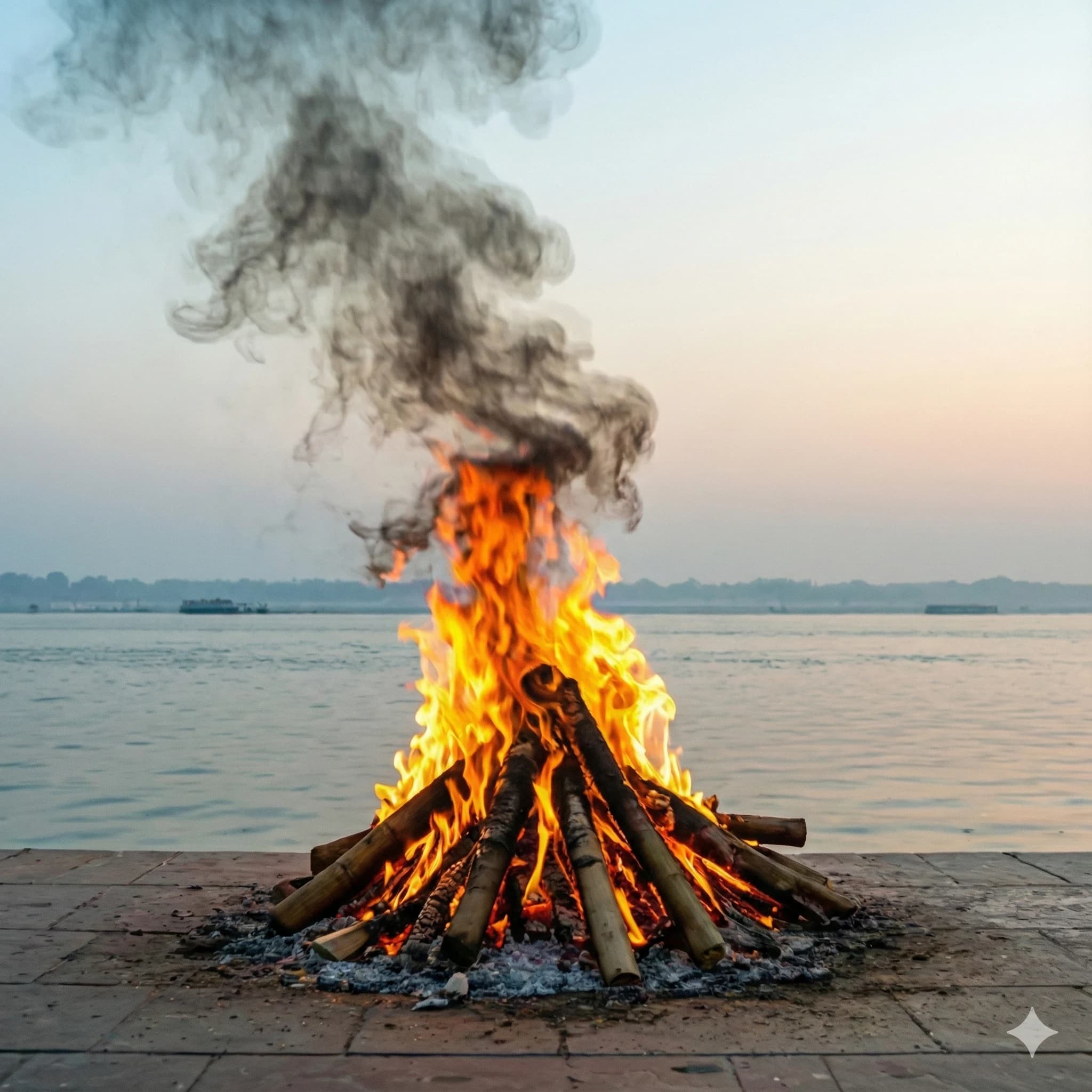
The Mahashmashana or 'Great Cremation Ground.' It is believed that the fires here have never gone out for centuries. Hindus believe cremation here grants immediate liberation (Moksha) from the cycle of rebirth.
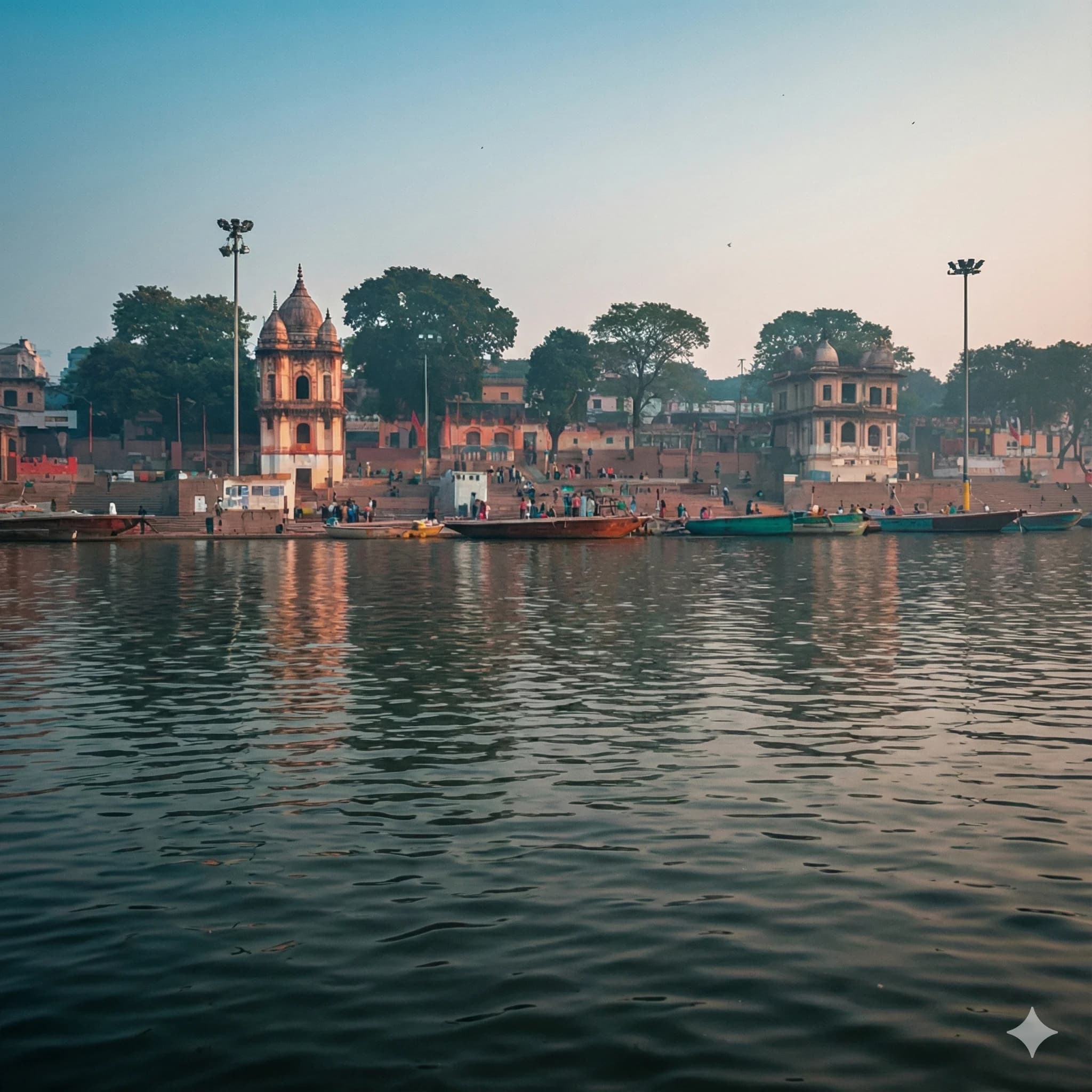
The southernmost ghat where the river Assi meets the Ganges. Famous for its 'Subah-e-Banaras' morning program, yoga sessions, long-term student residents, and a more tranquil, bohemian atmosphere.