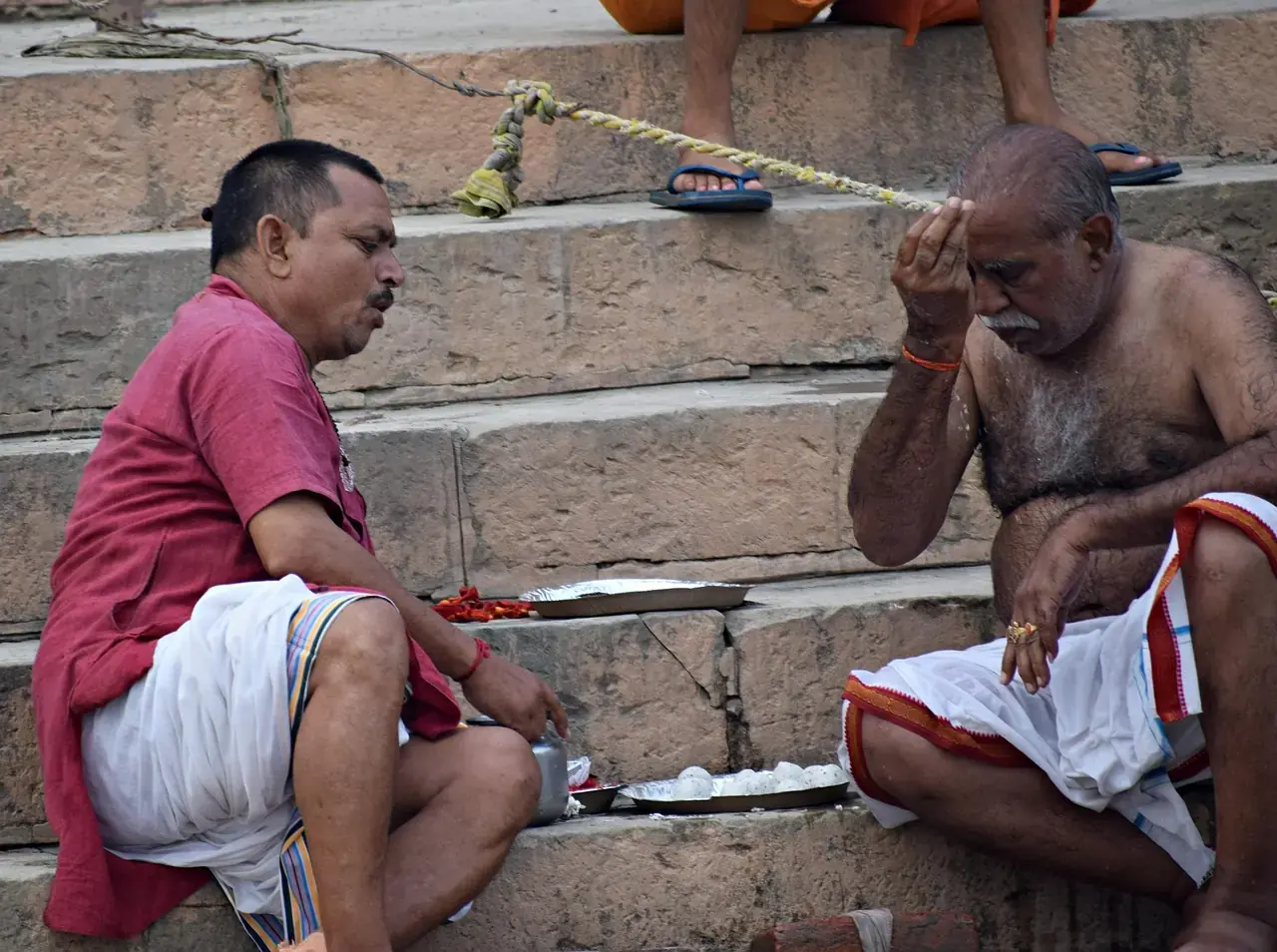
Pind Daan is the primary reason Hindu pilgrims visit Gaya. It is believed that the souls of ancestors (Pitrus) wander in a state of unrest until this ritual is performed in Gaya. The ritual involves offering 'Pind' (balls made of rice, wheat flour, and milk) to the ancestors while priests chant mantras.
The main rituals are performed at the Vishnupad Temple and on the banks of the Falgu River. The Falgu is a 'Gupt' (hidden) river; it flows underground. Pilgrims dig into the dry sandy riverbed to find water for the offering, a practice linked to a curse by Goddess Sita.
While performed year-round, the fortnight of 'Pitru Paksha' (Sept-Oct) sees millions descend on the city. It is a ritual of gratitude and remembrance.
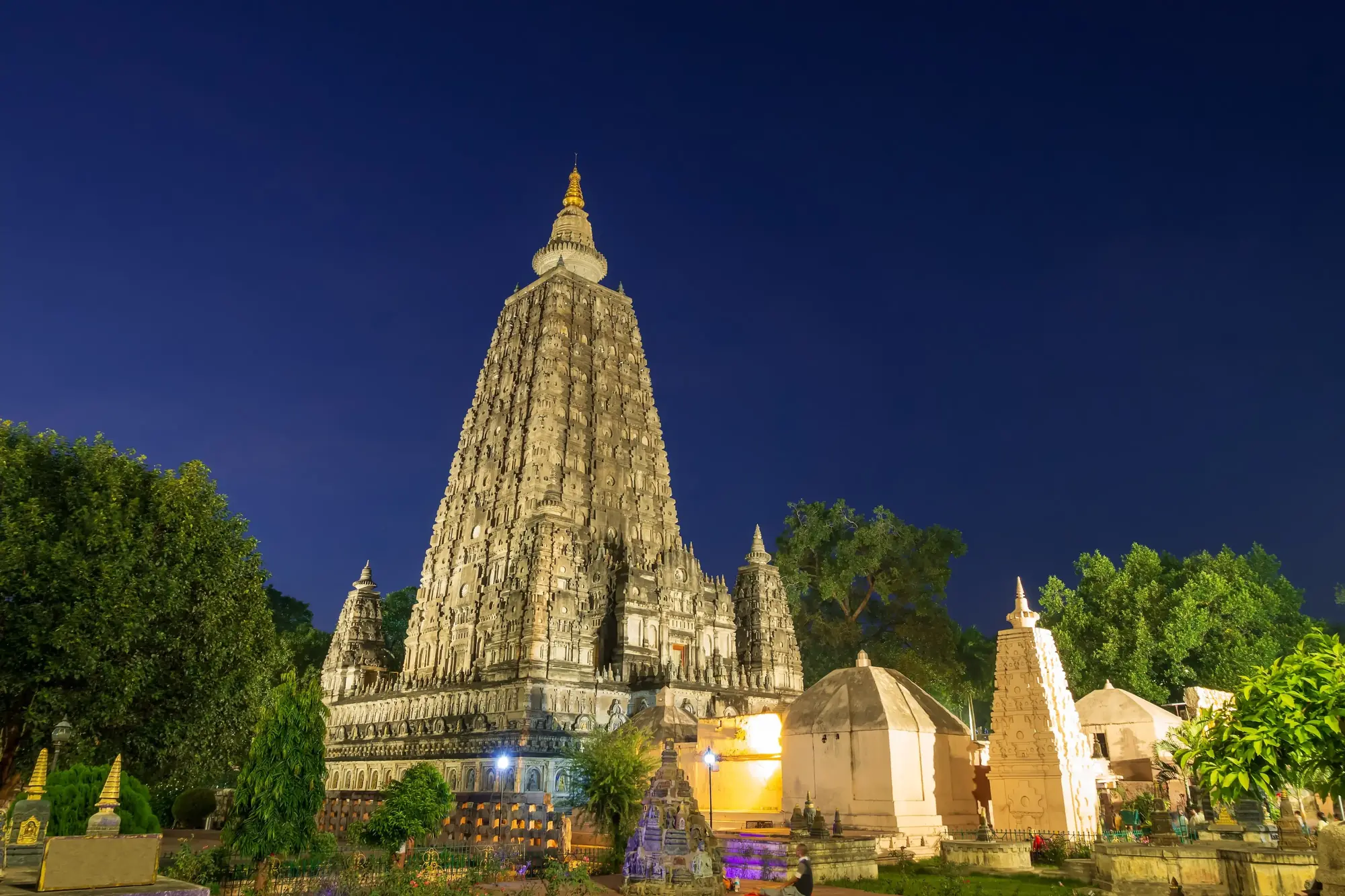
A UNESCO World Heritage site and one of the oldest brick structures in India. It marks the exact spot of the Buddha's enlightenment.
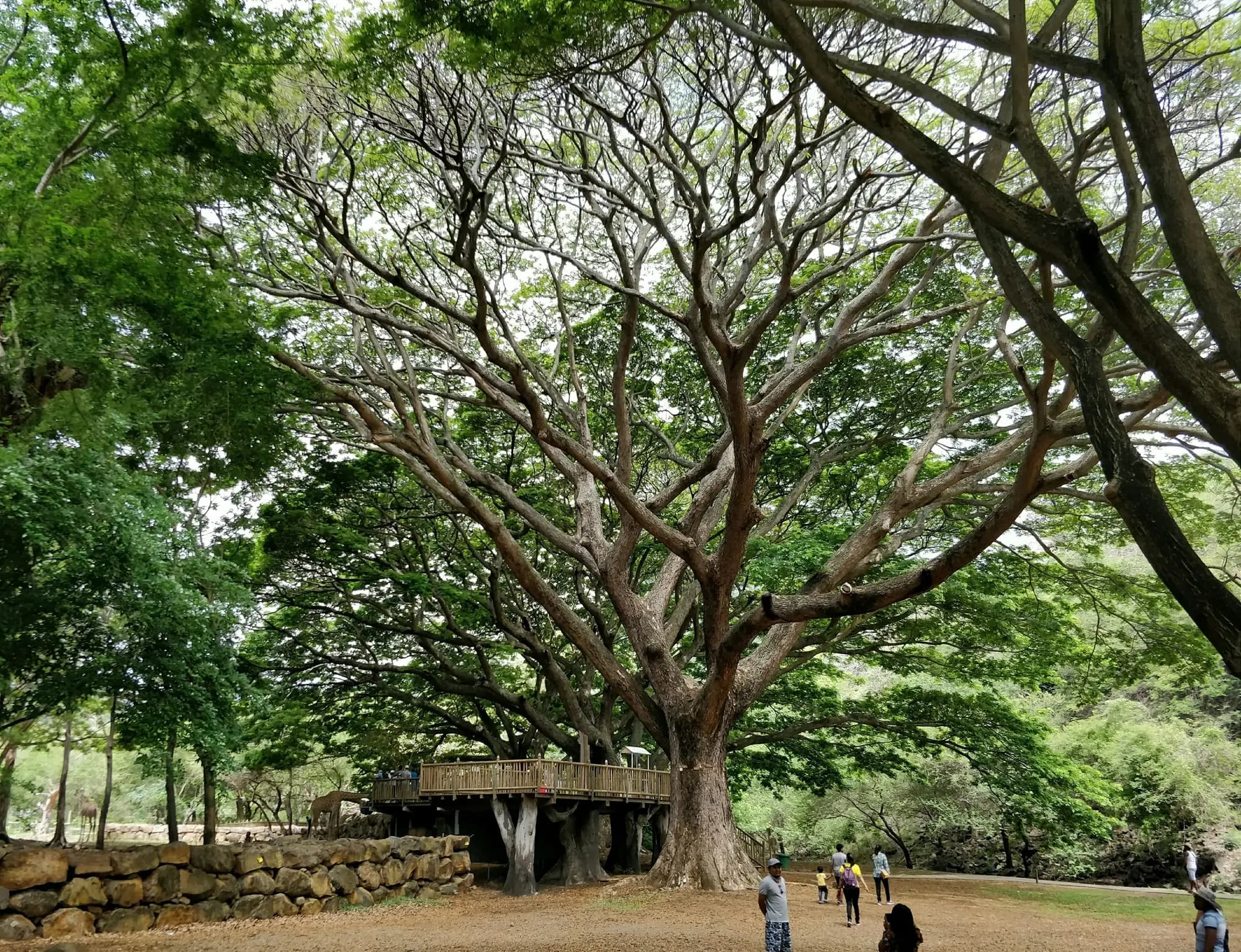
The sacred Ficus religiosa under which Siddhartha became the Buddha. The current tree is a direct descendant of the original.
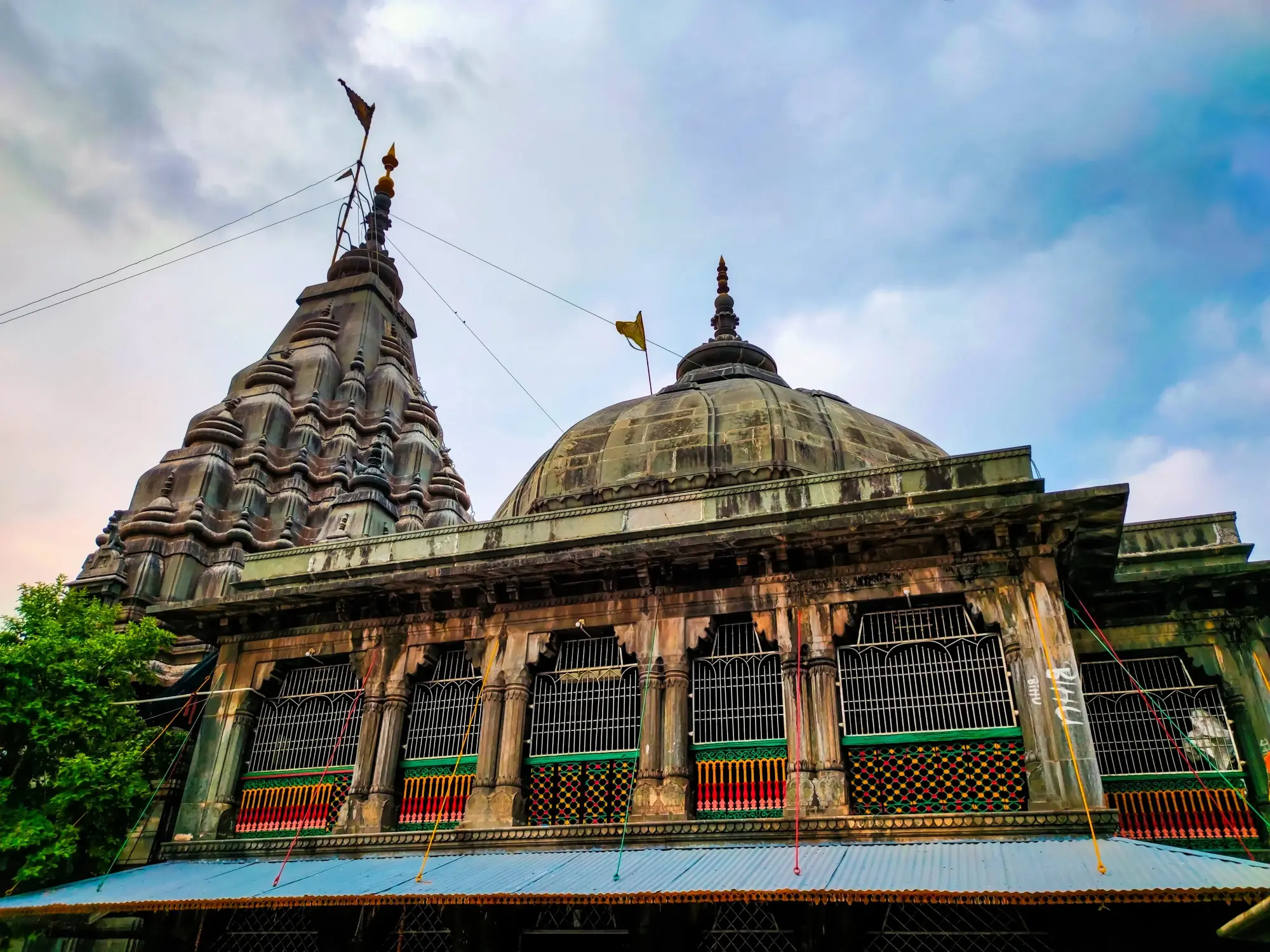
An ancient Hindu temple on the Falgu riverbank dedicated to Lord Vishnu. It houses a 40cm footprint of the Lord stamped into basalt rock.