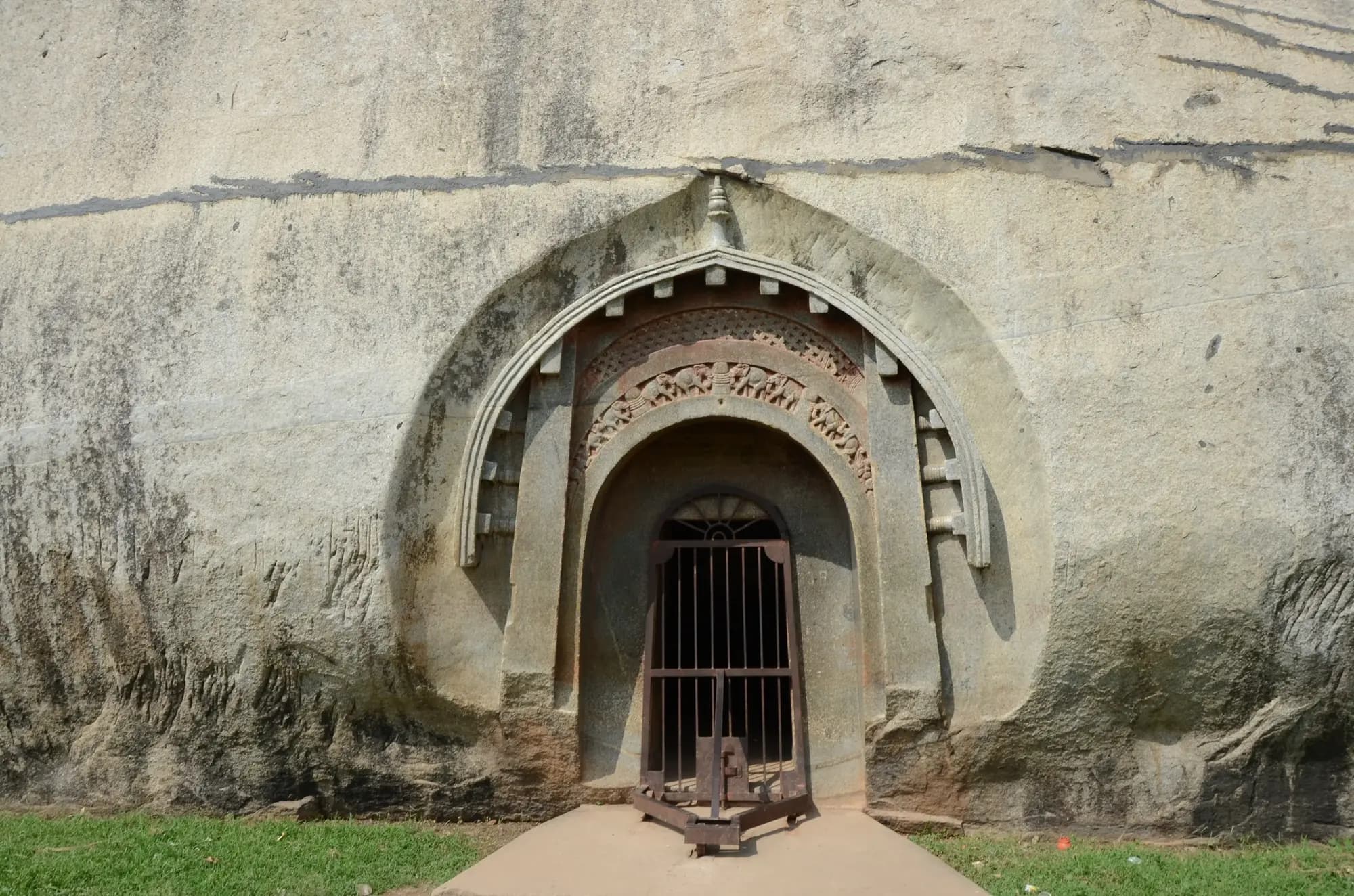
The Barabar Caves (approx. 40 km from Gaya) are an archaeological wonder. Dating back to the Mauryan Empire (3rd century BCE), they are the oldest surviving rock-cut caves in India. They were originally built by Emperor Ashoka for the Ajivika ascetics.
The caves are famous for two things: the 'Mauryan Polish' and the acoustics. The interior walls are polished to a glass-like mirror finish that has survived for over 2,000 years, a lost technical feat. The acoustic design creates a prolonged echo; a single sound can reverberate for several seconds.
These caves served as the inspiration for the 'Marabar Caves' in E.M. Forster’s famous novel "A Passage to India." They are stark, unadorned, and mysterious, carved out of massive granite boulders.
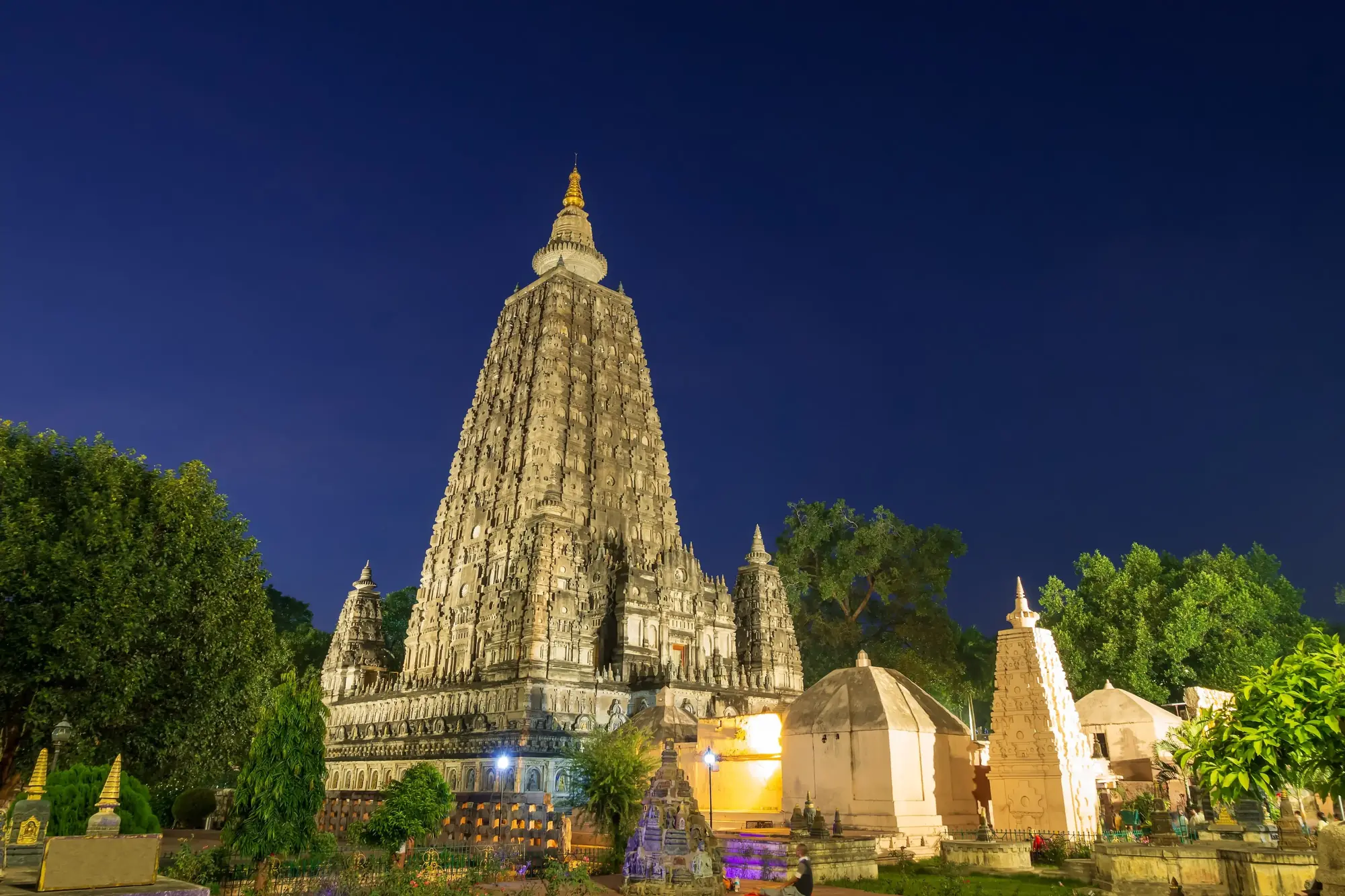
A UNESCO World Heritage site and one of the oldest brick structures in India. It marks the exact spot of the Buddha's enlightenment.
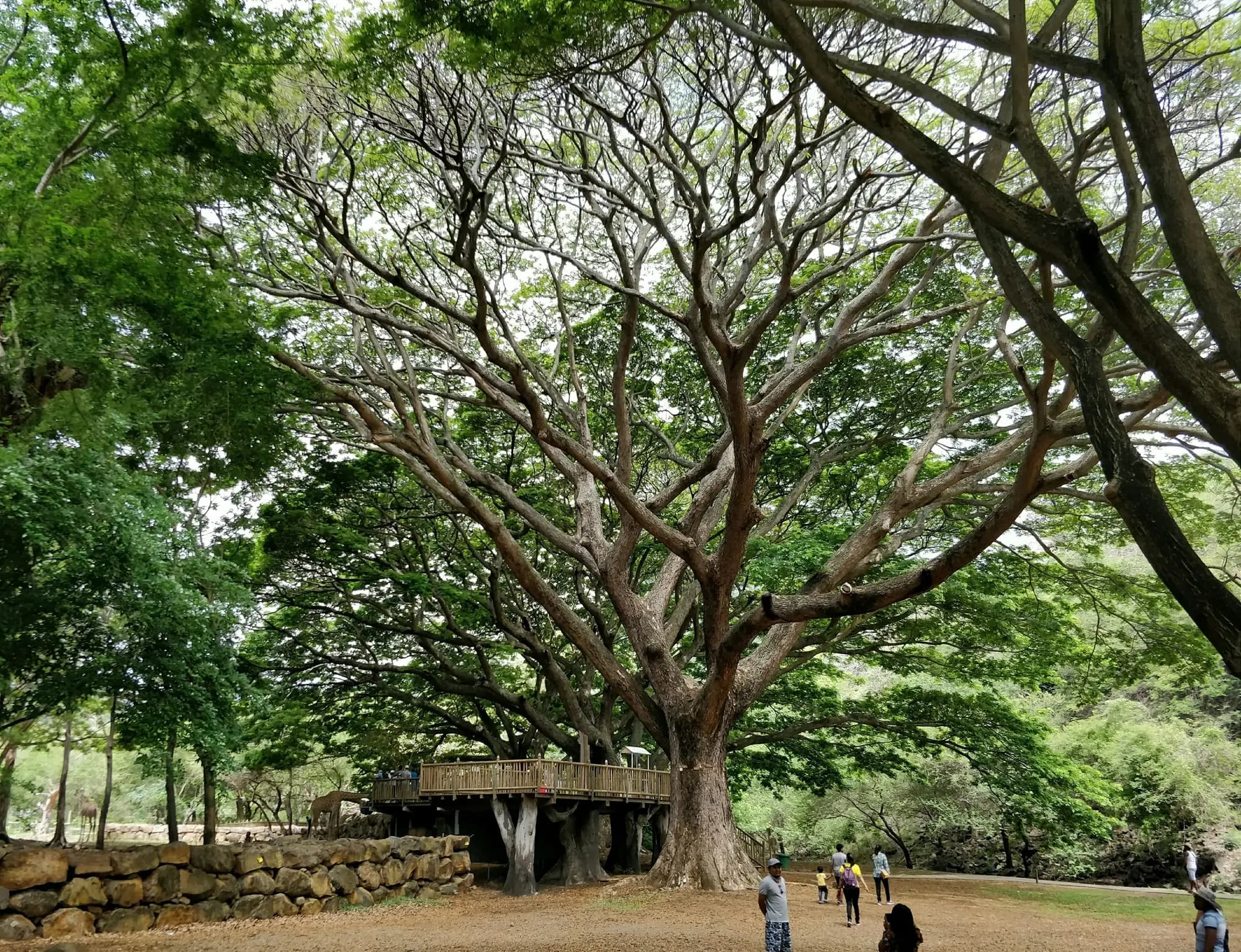
The sacred Ficus religiosa under which Siddhartha became the Buddha. The current tree is a direct descendant of the original.
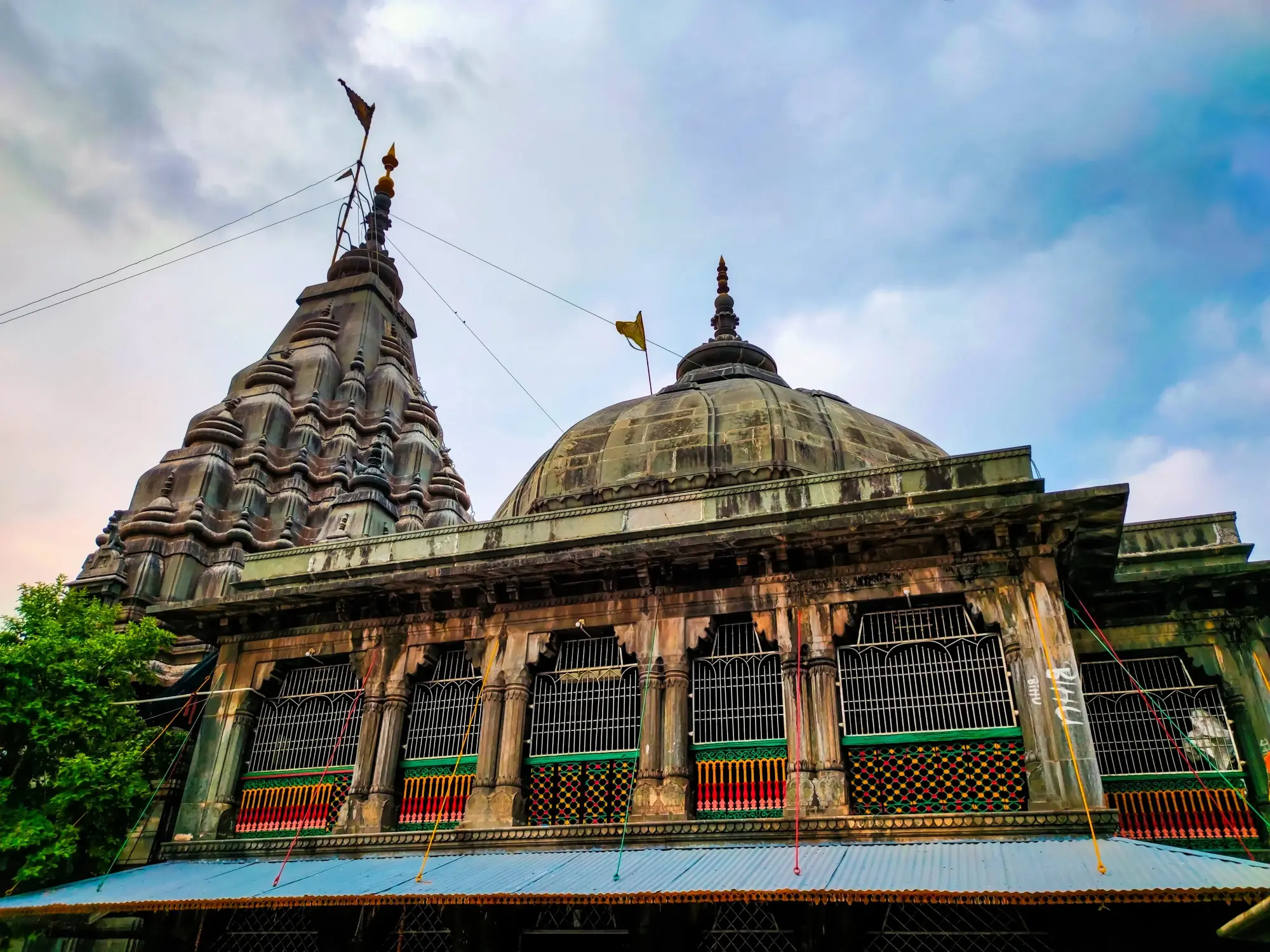
An ancient Hindu temple on the Falgu riverbank dedicated to Lord Vishnu. It houses a 40cm footprint of the Lord stamped into basalt rock.