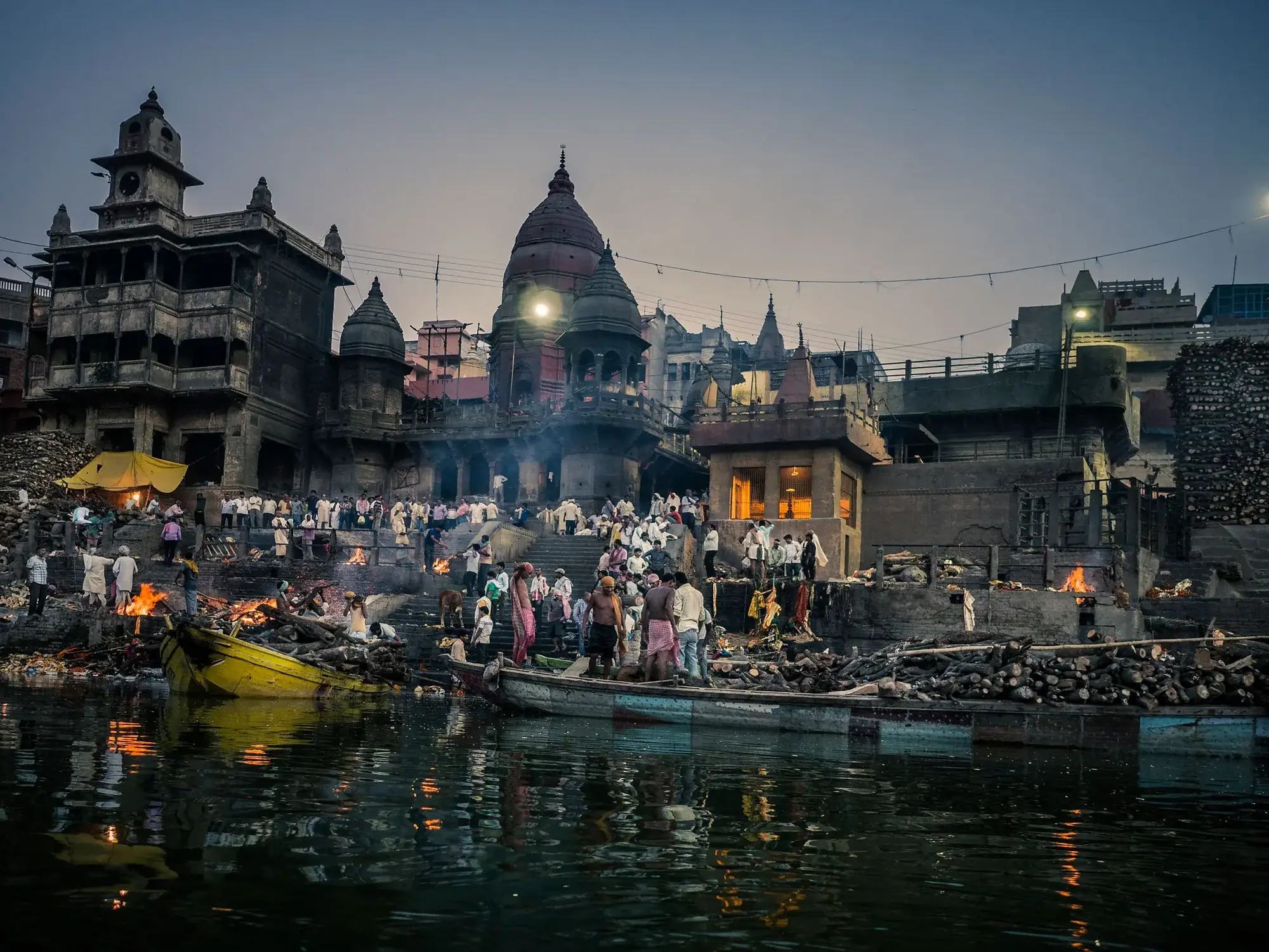
Harishchandra Ghat is one of the two cremation ghats in Varanasi, the other being Manikarnika. While Manikarnika is busier, Harishchandra is often cited as the older and more original cremation site. It is named after the mythological King Harishchandra, a paragon of truth and duty, who, according to legend, sold himself into slavery to a Dom (cremation ground keeper) here to fulfill a promise to a sage, eventually even tasked with cremating his own son.
The atmosphere here is slightly more somber and less chaotic than Manikarnika. In recent years, a modern electric crematorium was built here to reduce pollution and wood consumption, though traditional wood pyres are still widely used by orthodox families. The coexistence of the electric chimney and the open fires represents the city's struggle between tradition and modernity.
Devotees from distant lands often prefer this ghat for its deep connection to the virtue of 'Satya' (Truth). It serves as a potent reminder of the trials of life and the ultimate equality of death.
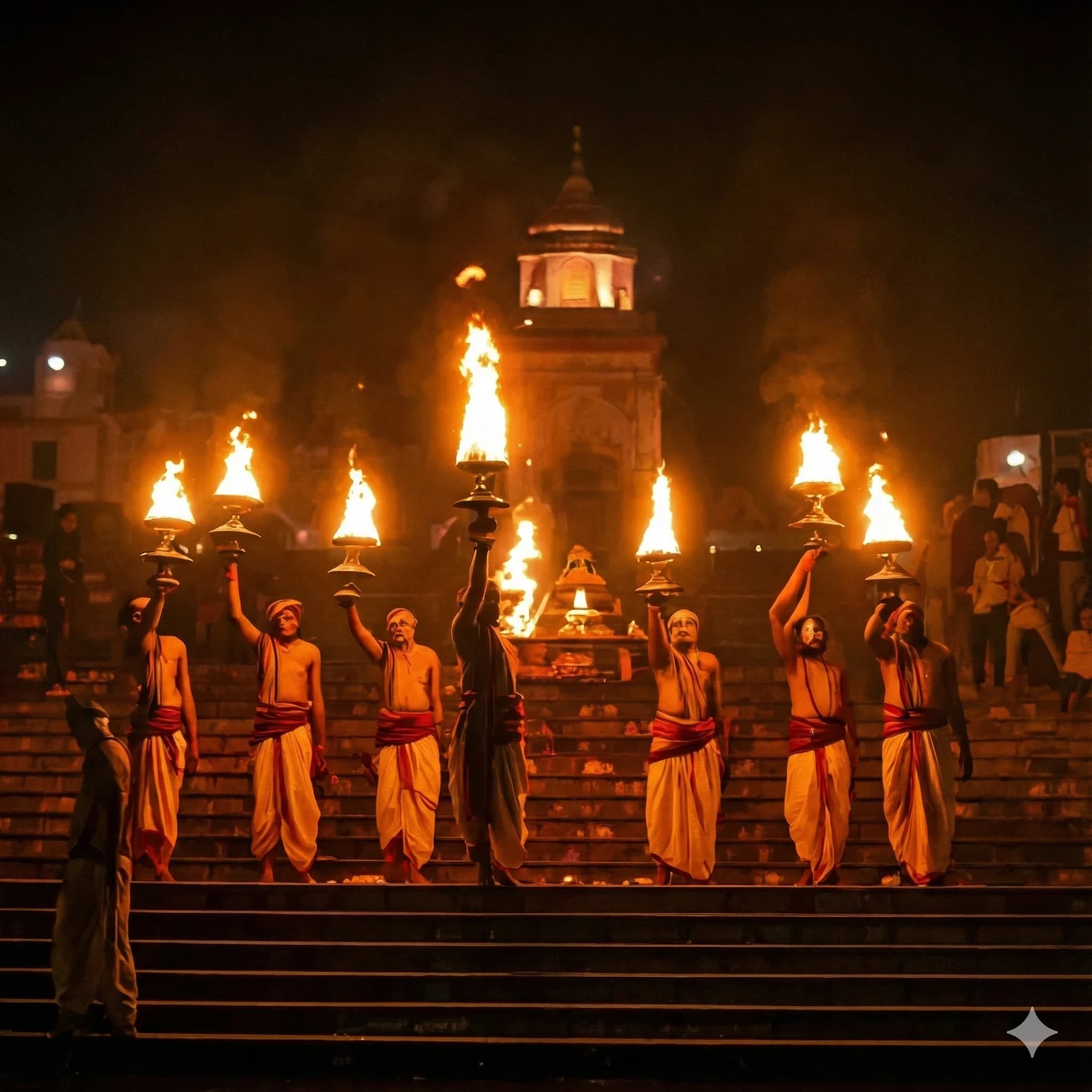
The most spectacular and bustling ghat in Varanasi, famous for the Agni Pooja (Ganga Aarti). Legend says Lord Brahma sacrificed ten horses here, making it a site of supreme cosmic power and vibrant daily devotion.
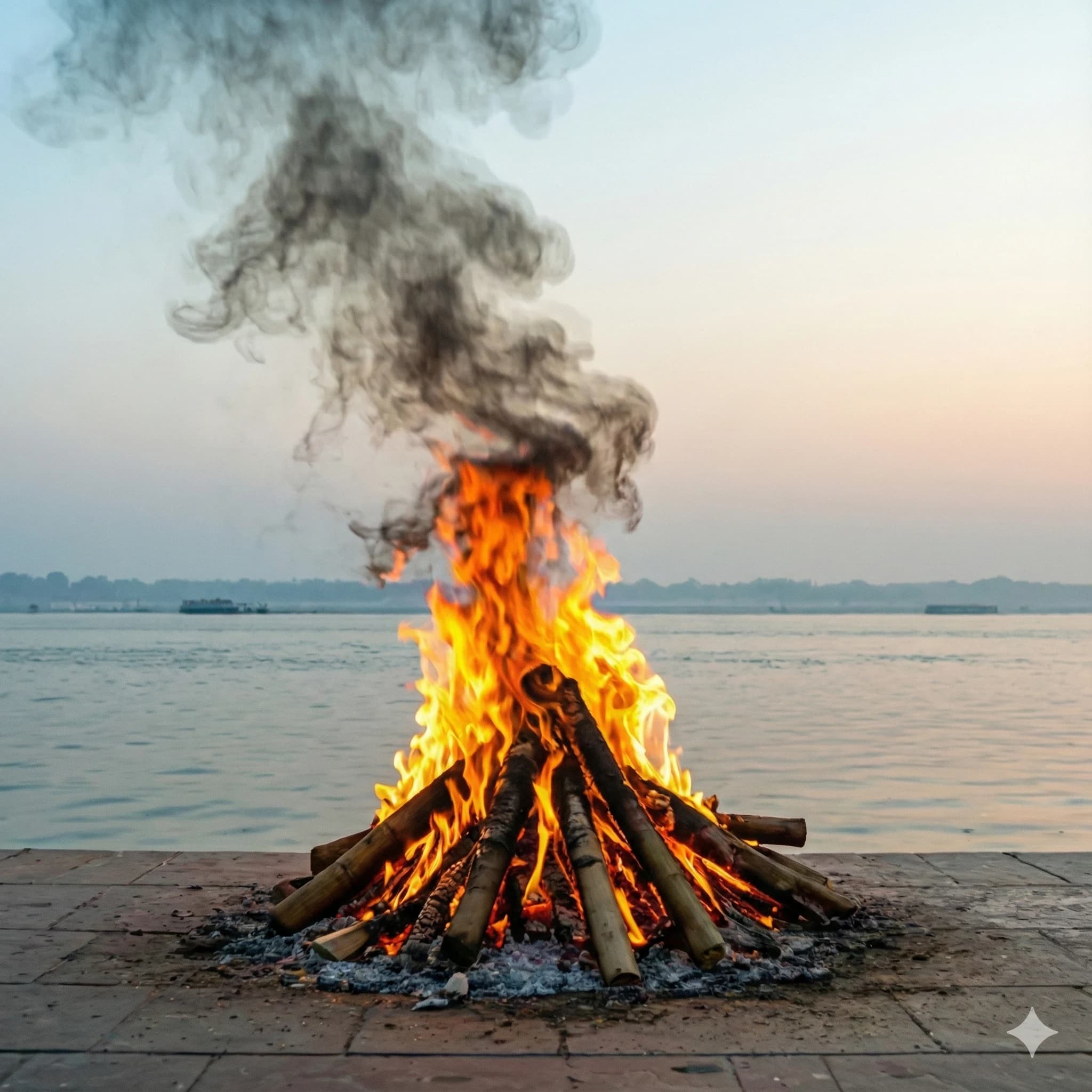
The Mahashmashana or 'Great Cremation Ground.' It is believed that the fires here have never gone out for centuries. Hindus believe cremation here grants immediate liberation (Moksha) from the cycle of rebirth.
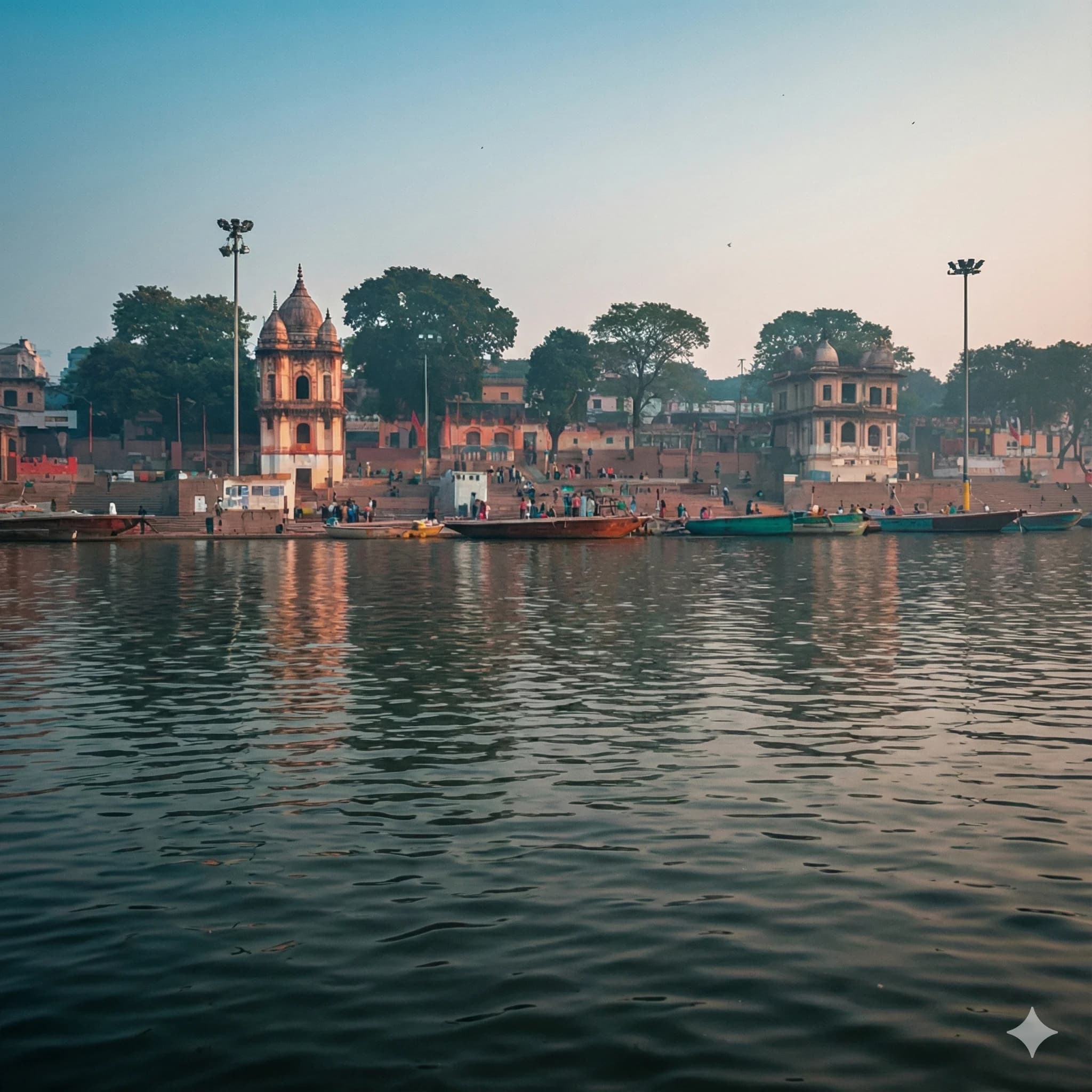
The southernmost ghat where the river Assi meets the Ganges. Famous for its 'Subah-e-Banaras' morning program, yoga sessions, long-term student residents, and a more tranquil, bohemian atmosphere.