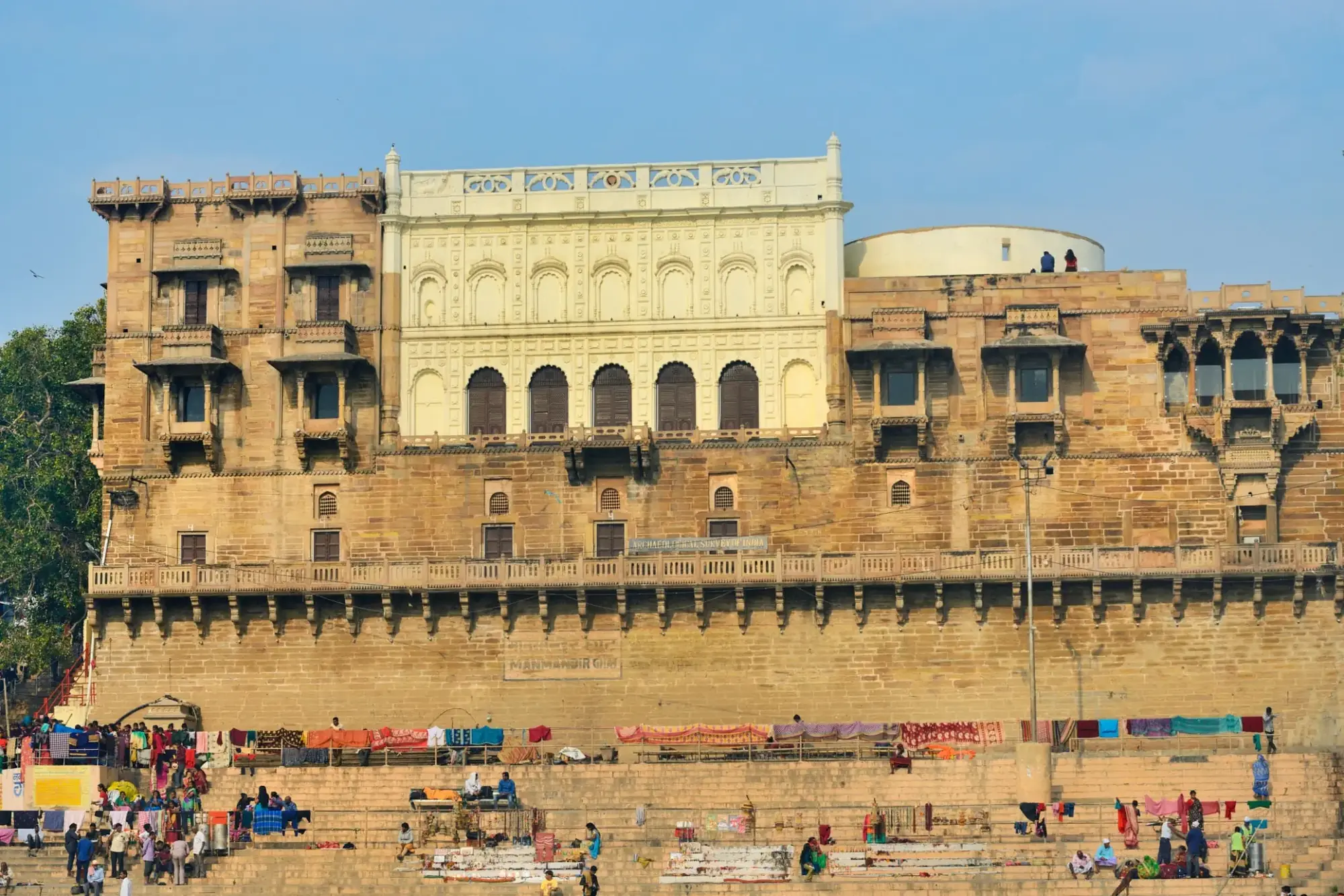
Man Mandir Ghat is a tribute to the scientific temper of medieval India. Built by Raja Man Singh of Amer (Jaipur) in the 1600s, the palace atop the ghat is a masterpiece of Rajput architecture with exquisitely carved stone jharokhas (balconies). However, its crowning glory was added later by Sawai Jai Singh II in 1737—a Jantar Mantar observatory located on the roof.
This observatory, though smaller than the ones in Jaipur or Delhi, contains massive masonry instruments designed to measure the movement of stars, the sun, and the moon with high precision. Visitors can enter the observatory (ticketed ASI monument) to see the Samrat Yantra and other instruments while enjoying one of the highest vantage points on the riverfront.
The ghat below is spiritually significant for the Someshwar Lingam. Devotees believe that praying here provides the same merit as visiting the Somnath Jyotirlinga in Gujarat. The combination of high science and deep faith makes this ghat unique.
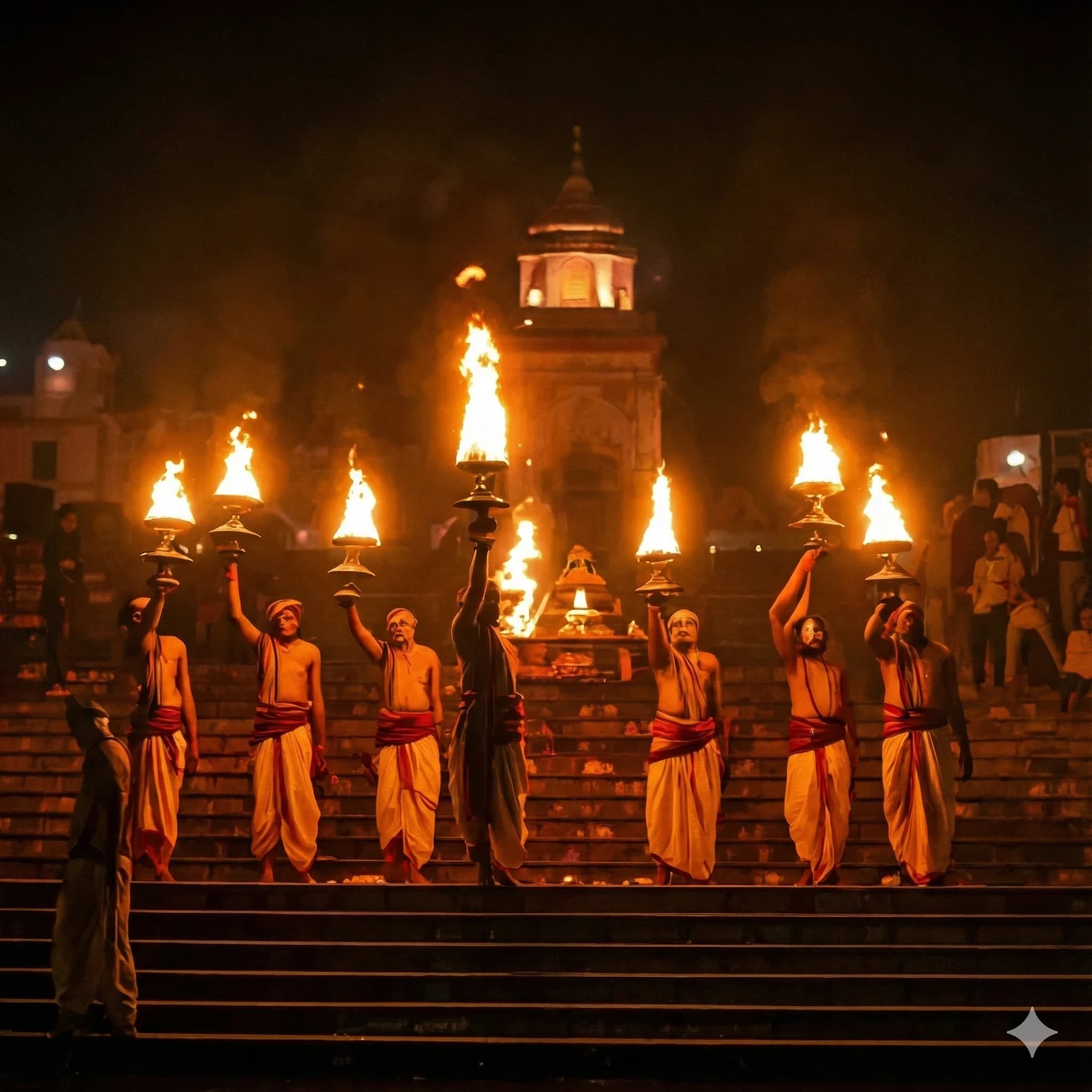
The most spectacular and bustling ghat in Varanasi, famous for the Agni Pooja (Ganga Aarti). Legend says Lord Brahma sacrificed ten horses here, making it a site of supreme cosmic power and vibrant daily devotion.
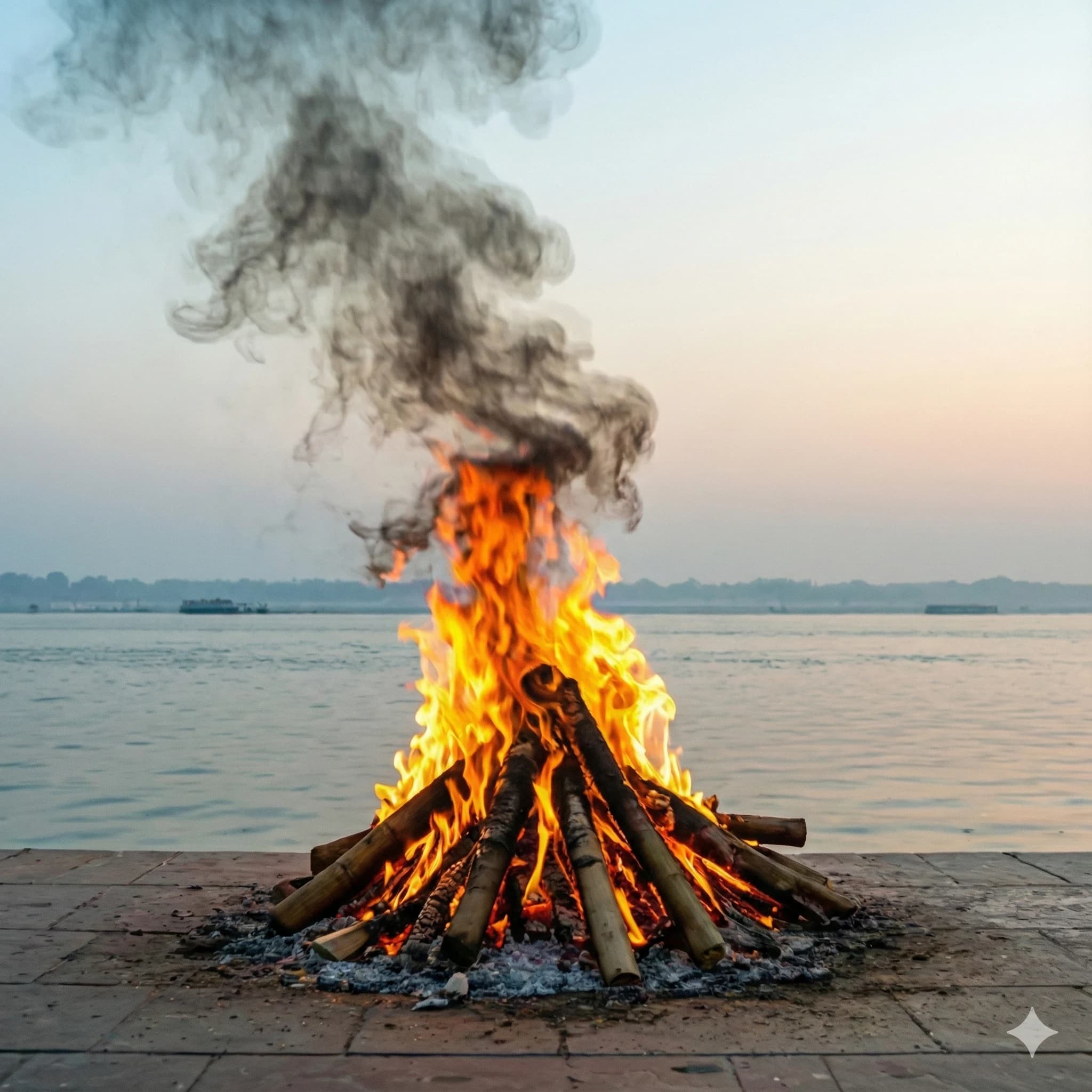
The Mahashmashana or 'Great Cremation Ground.' It is believed that the fires here have never gone out for centuries. Hindus believe cremation here grants immediate liberation (Moksha) from the cycle of rebirth.
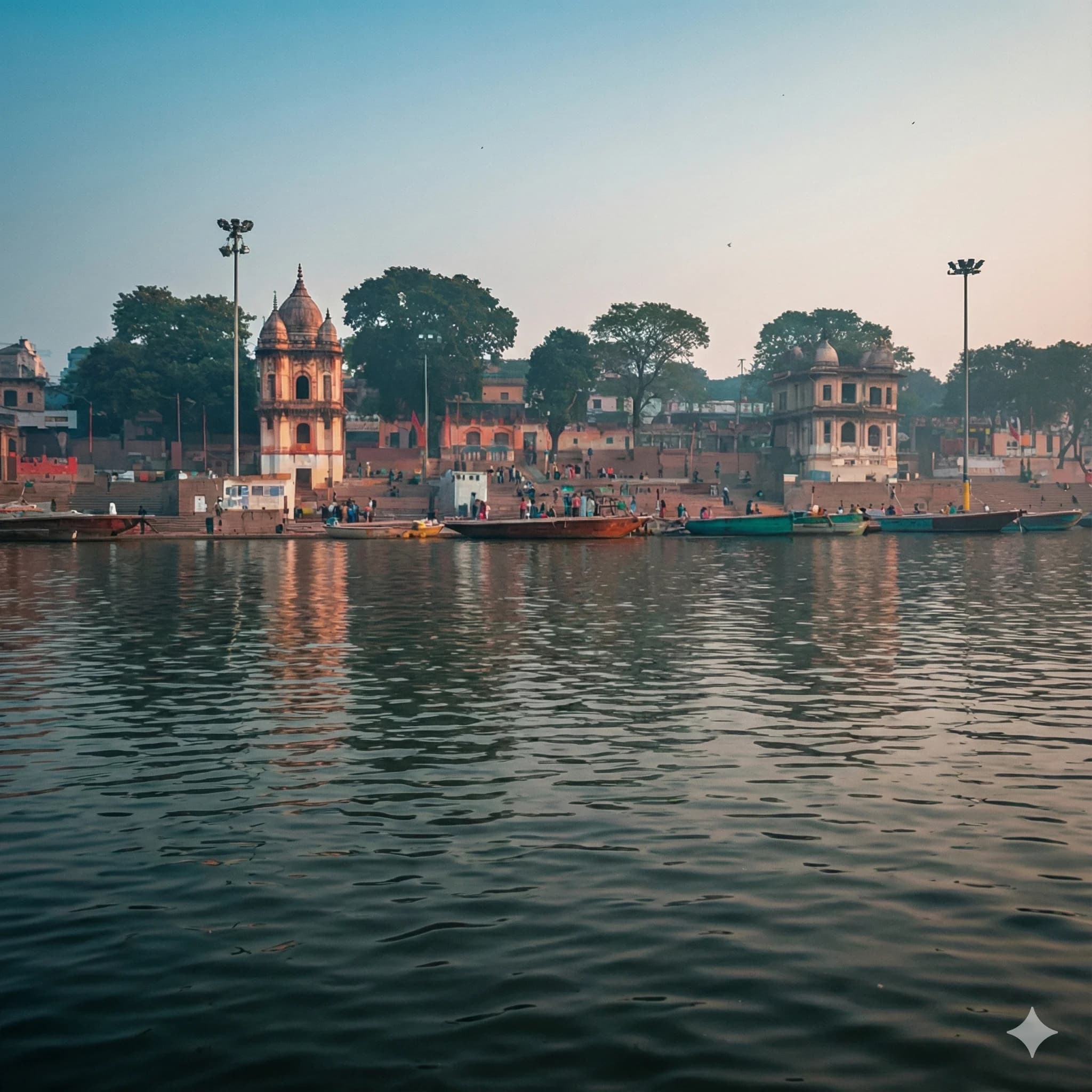
The southernmost ghat where the river Assi meets the Ganges. Famous for its 'Subah-e-Banaras' morning program, yoga sessions, long-term student residents, and a more tranquil, bohemian atmosphere.