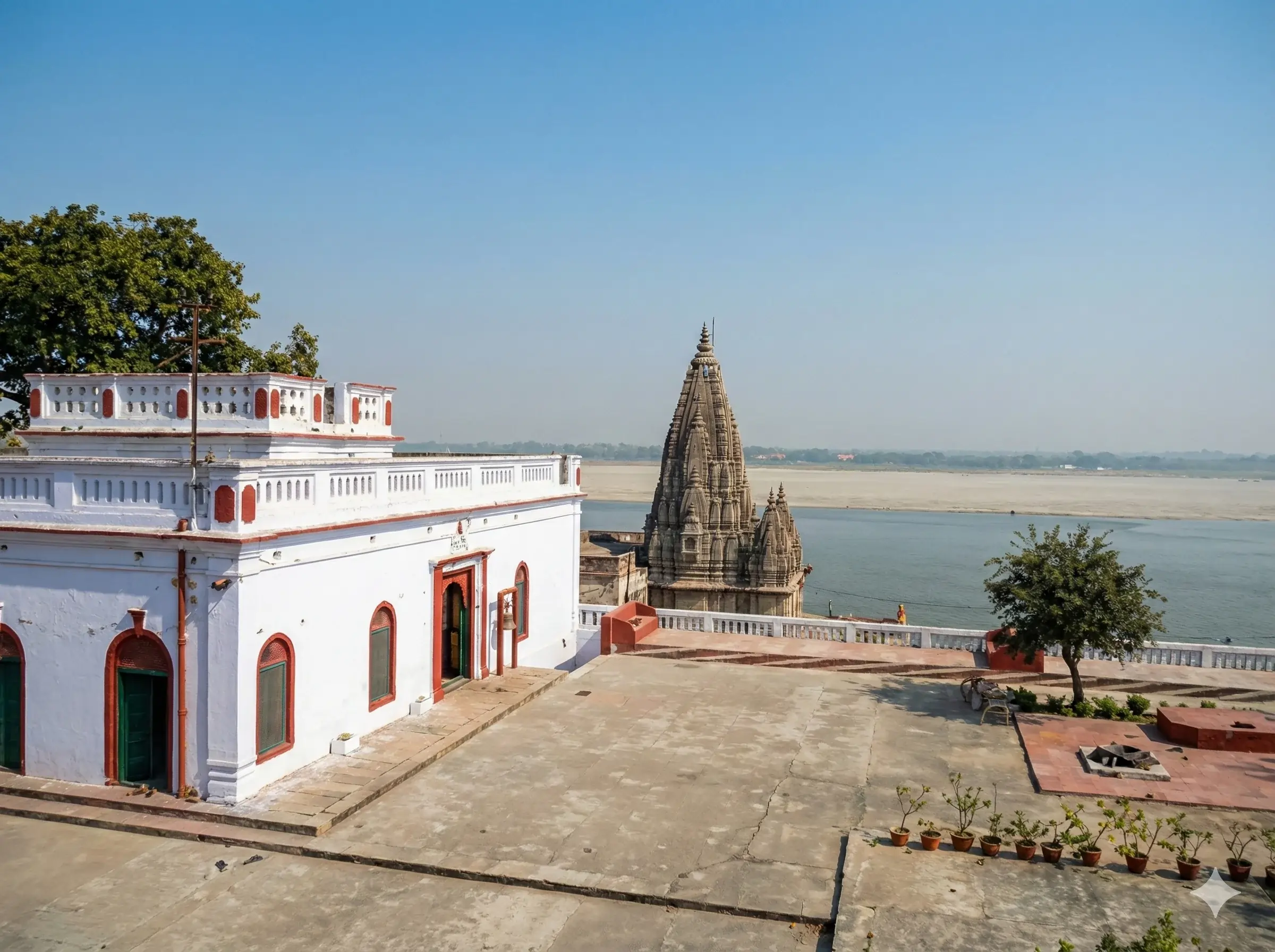
Panchkote Ghat is one of the smaller, often overlooked gems of the riverfront. Built in the late 19th century by the King of Panchkote (a region in Bengal), it reflects a modest but elegant architectural style. Because it lacks a major temple or cremation ground, it remains blissfully quiet.
This is the ghat for the slow traveler. It is common to see locals sitting here playing cards, drying saris, or simply feeding the gulls. The steps are broad and shallow, making it easy to sit close to the water.
It connects to the Shivala area of the city and is a good entry point if you want to explore the southern ghats without navigating the crowds of Assi or Dashashwamedh. The palatial structure at the top of the ghat is now largely private residential quarters.
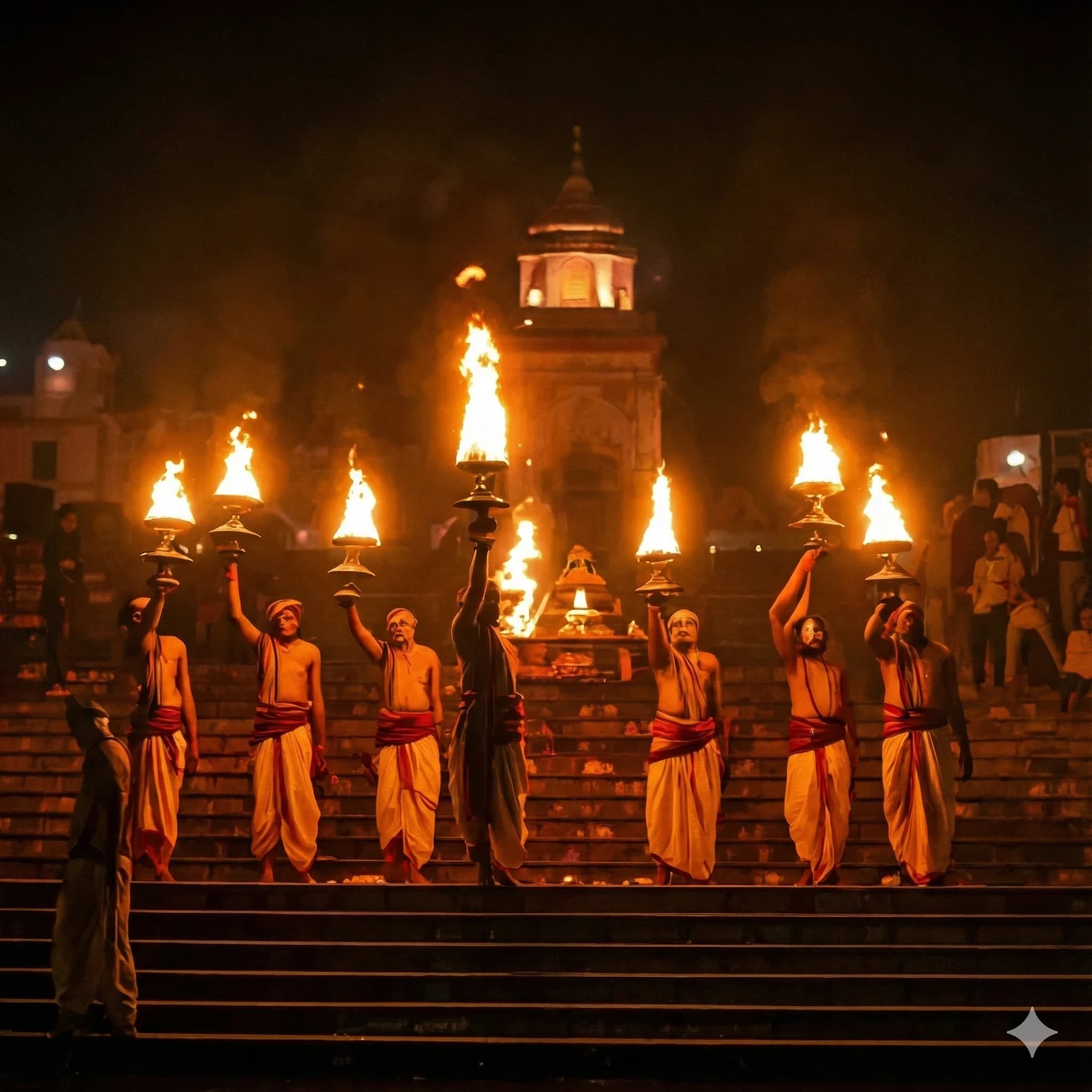
The most spectacular and bustling ghat in Varanasi, famous for the Agni Pooja (Ganga Aarti). Legend says Lord Brahma sacrificed ten horses here, making it a site of supreme cosmic power and vibrant daily devotion.
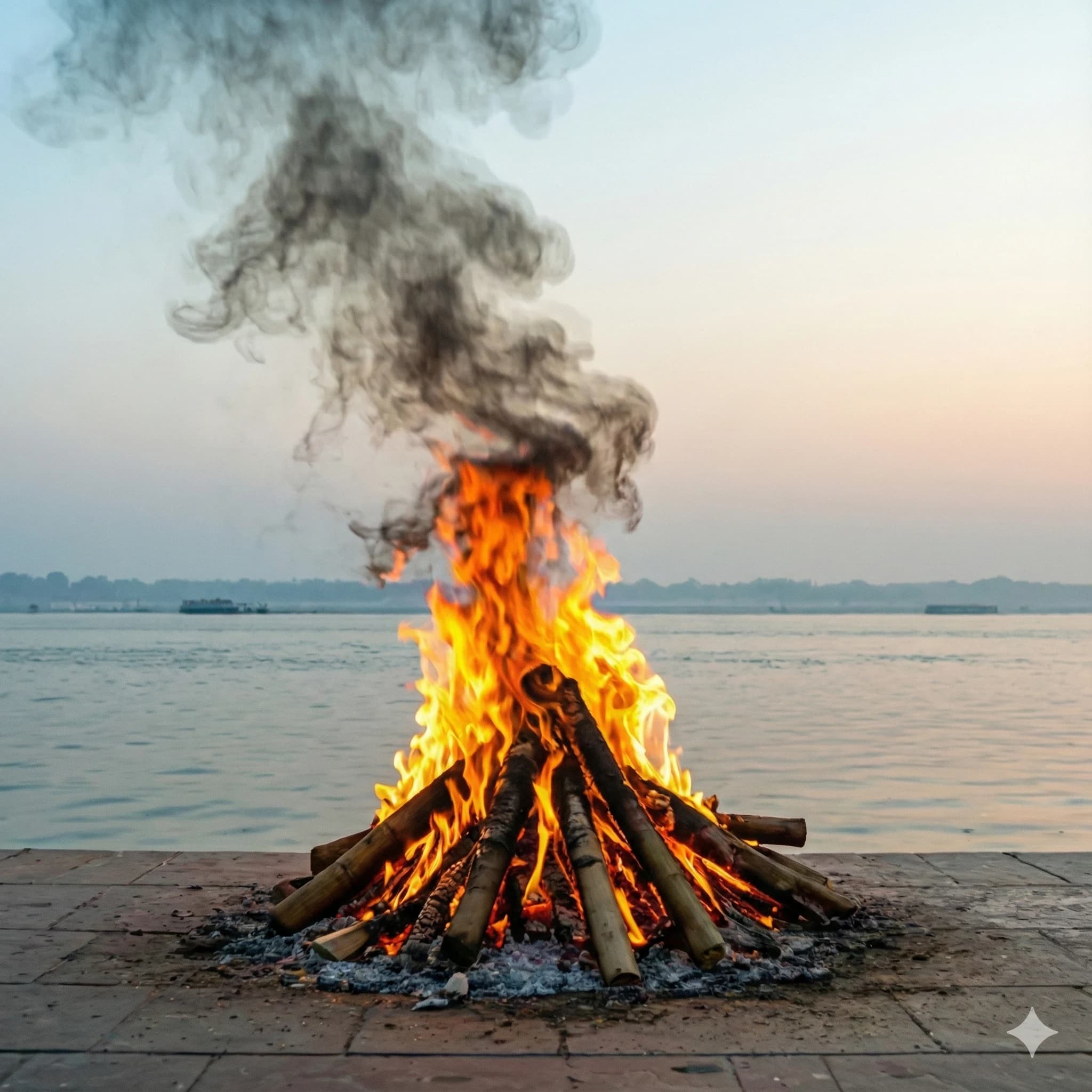
The Mahashmashana or 'Great Cremation Ground.' It is believed that the fires here have never gone out for centuries. Hindus believe cremation here grants immediate liberation (Moksha) from the cycle of rebirth.
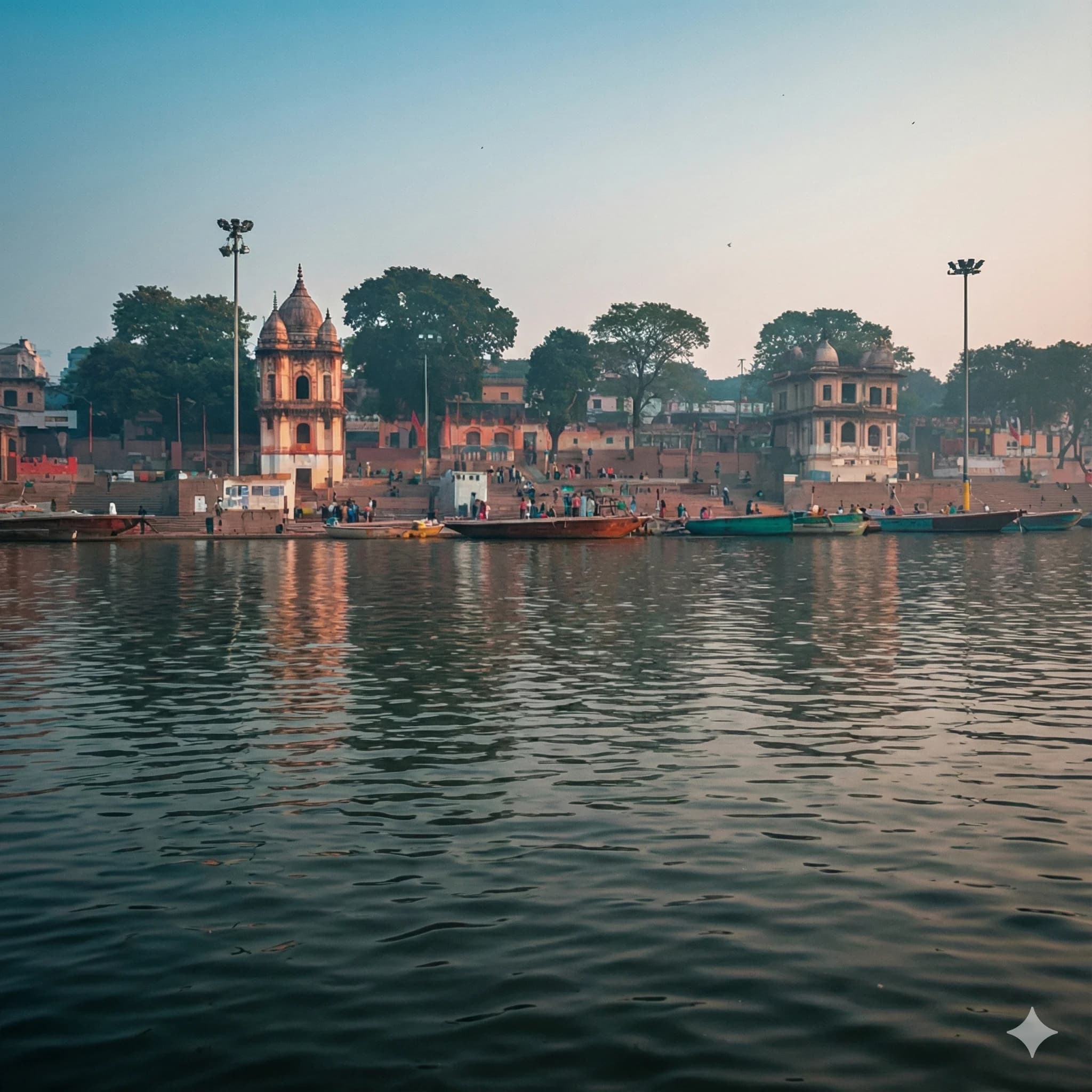
The southernmost ghat where the river Assi meets the Ganges. Famous for its 'Subah-e-Banaras' morning program, yoga sessions, long-term student residents, and a more tranquil, bohemian atmosphere.